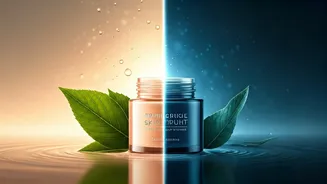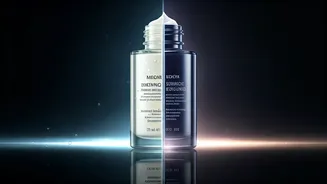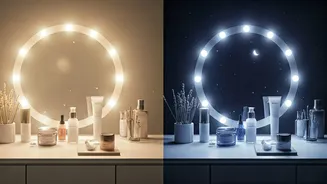









The Core Philosophy: Protection vs. Repair
The fundamental difference between morning and night skincare comes down to a simple concept: protection versus repair. During the day, your skin is in defense mode, battling UV rays, pollution, and other environmental stressors. In contrast, nighttime
is when your skin switches to regeneration mode. While you sleep, your skin's repair processes, like cell turnover and collagen production, accelerate. Understanding this natural cycle, known as the circadian rhythm of the skin, is the key to creating effective AM and PM routines.
The Morning Mission: Your Daily Shield
Think of your morning skincare routine as putting on a suit of armor. Its primary job is to protect your skin from the aggressors it will face throughout the day. This includes damage from the sun's UV rays, which is a leading cause of premature aging, and oxidative stress from pollution. A good morning routine will focus on hydrating the skin, strengthening its protective barrier, and providing a crucial shield against the environment. The goal is to preserve and support your skin so it can function at its best all day long.
Key Morning Ingredients: Antioxidants and SPF
For your morning routine, two categories of ingredients are non-negotiable. First are antioxidants, with Vitamin C being a popular and effective choice. Antioxidants help neutralize free radicals caused by pollution and UV exposure, essentially preventing damage before it starts. The second, and arguably most critical step, is sunscreen. Dermatologists recommend a broad-spectrum sunscreen with SPF 30 or higher to protect against both UVA and UVB rays. This is your single most important step for preventing skin cancer and signs of aging. A lightweight moisturizer and a gentle cleanser complete the essential AM lineup.
The Night Shift: Repair and Rejuvenate
While you're dreaming, your skin is hard at work. At night, blood flow to the skin increases, and it enters a heightened state of repair and regeneration. This is the optimal time to support these natural processes with targeted treatments. Your evening routine should focus on thoroughly cleansing the day's grime, makeup, and sunscreen, and then delivering ingredients that aid in recovery, hydration, and renewal. Because the skin is more permeable at night, it's more receptive to active ingredients, making your PM products particularly effective.
Key Nighttime Ingredients: Retinoids and Hydrators
Nighttime is the ideal moment to use powerful active ingredients. Retinoids, which are derivatives of Vitamin A, are considered the gold standard for anti-aging. They work by increasing cell turnover and stimulating collagen production to improve the appearance of fine lines, wrinkles, and uneven skin tone. However, they also increase sun sensitivity, which is why they are reserved for evening use. Other beneficial night ingredients include exfoliating acids (like glycolic acid), peptides for firming, and rich, nourishing moisturizers to combat the increased moisture loss that occurs overnight.
Can You Use the Same Products for Both?
While some products, like a gentle cleanser or a basic hyaluronic acid serum, can pull double duty, key products should be distinct. Using a moisturizer with SPF at night is unnecessary and can potentially clog pores. Conversely, using potent ingredients like retinoids or exfoliating acids in the morning can make your skin more vulnerable to sun damage. While you don't need a 10-step routine for both, investing in a separate, targeted day and night cream can offer significant benefits by aligning with your skin's natural needs. Ultimately, the most effective routine is one that respects the simple yet crucial difference between day and night.