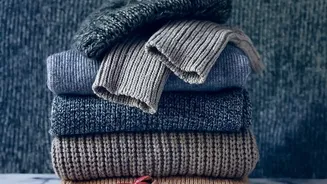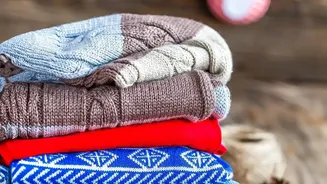

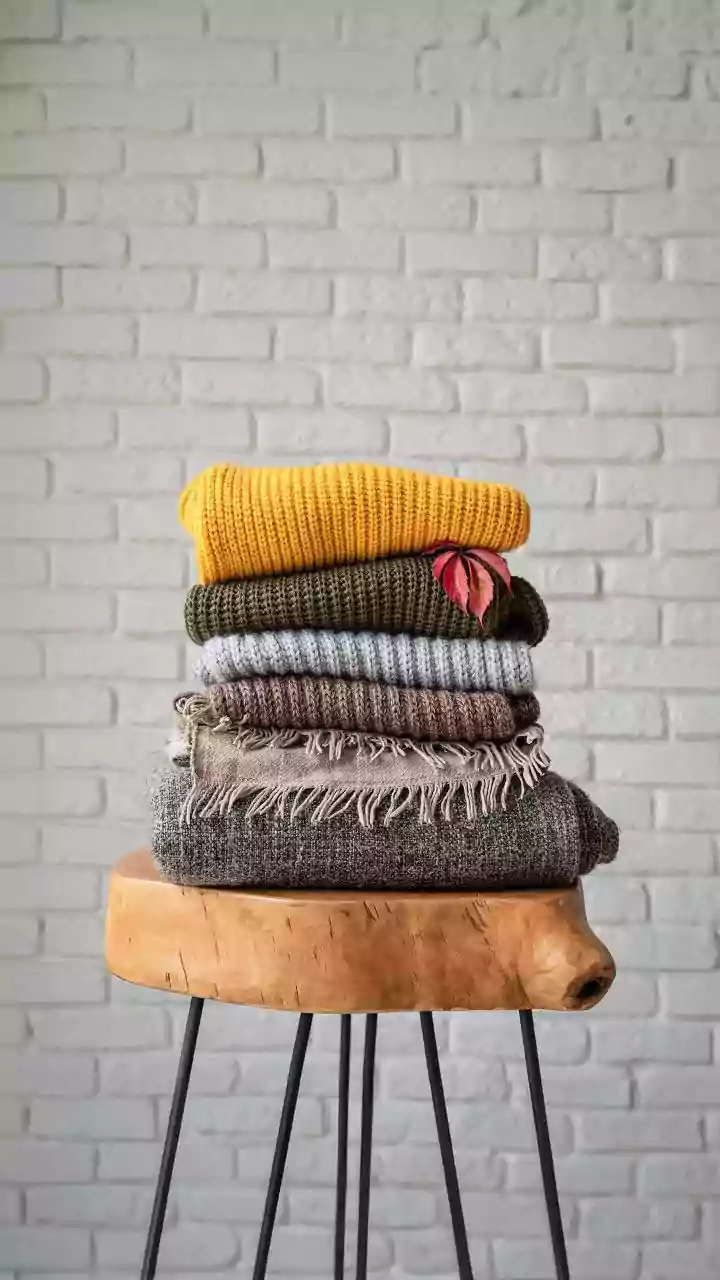

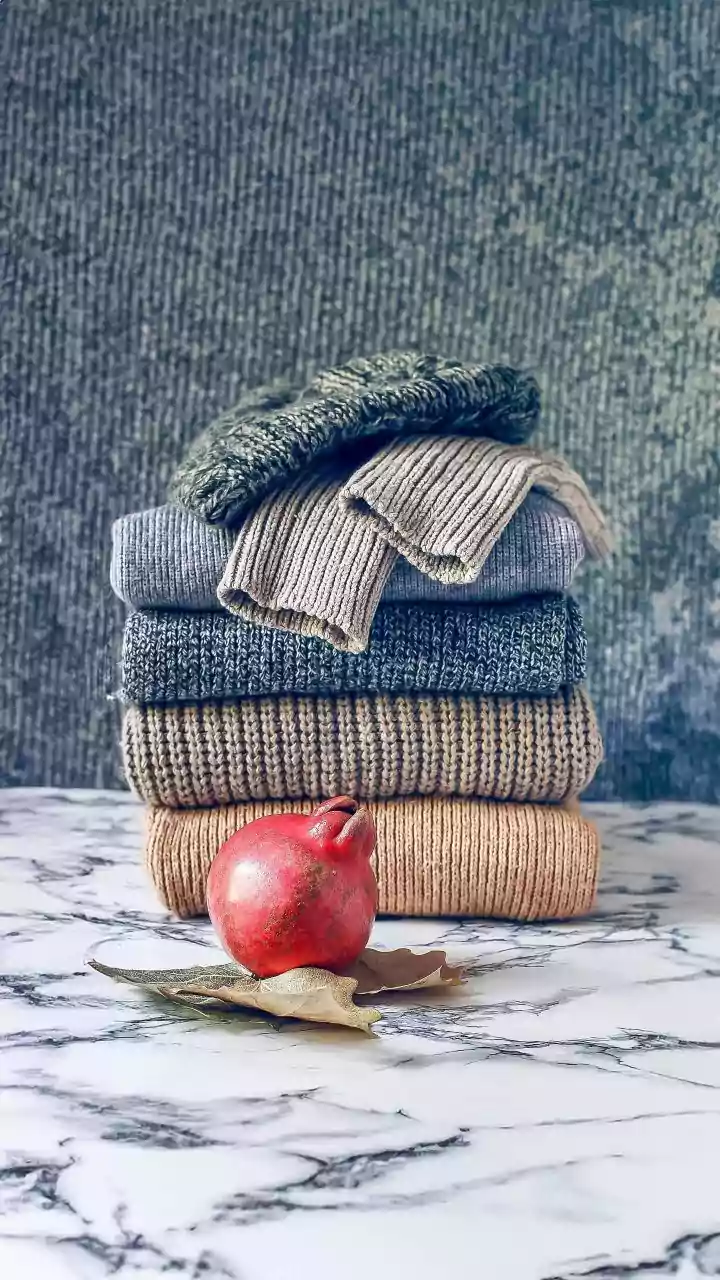


There's nothing quite like a cosy wool sweater on a chilly day. Yet, for many, that warmth comes with an annoying itch. The secret to enjoying wool's benefits without the scratchiness is simple: a soft inner layer is your best line of defence.
Understanding Wool's Itch Factor
That prickly
feeling from a woollen garment isn't in your head, nor is it typically an allergy. A true wool allergy is very rare. The discomfort comes down to simple mechanics: the diameter of the wool fibres. Coarser, thicker wool fibres are too stiff to bend when they press against your skin. Instead, their ends poke at your nerve endings, creating a prickling sensation that your brain registers as an itch. Think of it like the bristles of a brush—a stiff brush would feel abrasive, while a soft one would not. The textile industry even has a term for this: the 'prickle factor', which measures the percentage of fibres in a fabric that are over a certain thickness, usually around 30 microns. Finer wools like Merino have fibres well below this threshold, which is why they feel so soft against the skin.
The Inner Layer as Your Shield
The most effective and immediate solution to wool's prickle factor is to create a physical barrier. A soft, smooth layer worn underneath your woollen sweater prevents those coarse fibres from ever making contact with your skin. This simple addition stops the mechanical irritation before it starts, allowing you to enjoy the unparalleled warmth of your favourite knitwear without any of the discomfort. Beyond just comfort, this base layer also serves another crucial purpose: it protects your sweater. By absorbing body oils and sweat, the inner layer keeps your woollens cleaner for longer, reducing the need for frequent washing which can degrade delicate fibres over time.
Choosing the Perfect Base Layer
Not all fabrics are created equal when it comes to layering. For optimal comfort, you need a material that is both soft and functional. Cotton is a popular choice for its softness, but it has a significant drawback: it absorbs moisture and can leave you feeling damp and chilled if you sweat. A better option for active or all-day wear is a fabric that wicks moisture away from the skin. Fine-gauge Merino wool itself can be an excellent base layer, as its fibres are too thin to cause itching and it naturally regulates temperature. Other fantastic choices include silk, which is lightweight and buttery soft, or modern synthetic blends containing materials like polyester, Tencel, or modal. These materials are designed to be breathable, manage moisture effectively, and feel smooth against the skin.
More Than Just Scratch Protection
Adding an inner layer does more than just stop the itch; it enhances your entire winter-wear system. Layering is a key principle of staying warm and comfortable in cold weather. A base layer traps a thin layer of air between it and your skin, which your body warms up, creating an initial pocket of insulation. The wool sweater then adds another, more substantial layer of insulation on top of that. This multi-layer system is far more effective at retaining heat than a single thick garment. It also gives you versatility. If you start to overheat indoors, you can remove the sweater while still having a comfortable base layer on. This ability to adapt is crucial for navigating environments with fluctuating temperatures.
Extra Tips for Softer Woollens
While an inner layer is the best fix, you can also take steps to make your wool garments softer. One popular home remedy involves soaking the sweater in a solution of cold water and a few tablespoons of white vinegar for about 15–20 minutes. The vinegar helps to break down any residue and soften the fibres. After soaking, rinse it thoroughly and hand wash with a gentle wool–specific detergent or even a small amount of hair conditioner, which can smooth the fibre cuticles. Always rinse with cold water, gently squeeze out the excess without wringing, and lay the garment flat to dry away from direct heat. For some, a quick, unconventional trick is to place the dry sweater in a plastic bag and freeze it overnight; the cold can help lock down some of the unruly surface fibres.