




Understanding the Monsoon Transformation
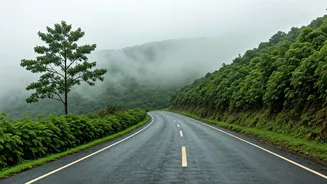
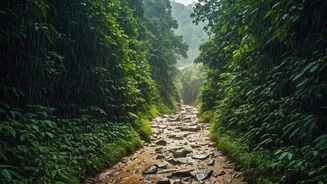
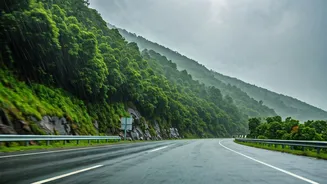
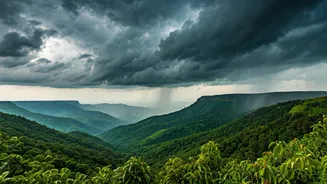
The Southwest Monsoon, which drenches Sakleshpur from June to September, is a force of nature that dramatically alters the landscape. What are pleasant, walkable paths in summer become slippery, moss-covered tracks, often obscured by thick fog that can
reduce visibility to mere meters. The lush greenery is fed by intense rainfall, with temperatures hovering between a cool 18°C and 28°C. This constant wetness saturates the soil, loosens rocks, and turns gentle streams into powerful, fast-flowing currents. While the scenery is at its most vibrant, the trekking conditions are at their most demanding and dangerous.
The Real Risks on the Trail Now
The primary danger isn't just getting wet; it's the specific hazards the monsoon creates. Trails become infested with leeches, a common nuisance that can be managed with the right gear. A far greater threat comes from slippery laterite rocks, which become frictionless when wet, dramatically increasing the risk of falls on steep sections. Flash floods are another serious concern, as rainfall in a catchment area can funnel large volumes of water into narrow gullies or across stream crossings with little warning. Getting separated from a group in the dense fog and rain is also a real possibility, as past incidents in the region have shown. These dangers are why local authorities and experienced trekkers advise extreme caution during this period.
Heed Official Rules and Regulations
Trekking in Karnataka's forests is no longer an informal activity. As of 2026, the Karnataka Forest Department has implemented strict regulations to ensure trekker safety and protect sensitive ecosystems. All trekking permits must be booked online in advance through the official Aranya Vihaara portal. Furthermore, a certified local guide is now mandatory for every group, with a ratio of one guide for every ten trekkers. These guides are essential, as they possess invaluable knowledge of the local terrain and can identify danger zones. The department has also set daily limits on the number of trekkers allowed on popular trails and may suspend all activities at short notice during periods of heavy rainfall. Illegally entering a reserve forest is a serious offense.
Your Monsoon Safety Checklist
If you are still considering a trek, thorough preparation is non-negotiable. First, check the detailed weather forecast for Sakleshpur right up until the morning you plan to start. Websites like the India Meteorological Department (IMD) provide localized nowcasts that are crucial. Second, pack the right gear. This includes high-quality waterproof trekking shoes with excellent grip—not sneakers or floaters. A poncho is often better than a rain jacket as it covers you and your backpack. Carry a first-aid kit with antiseptic and supplies for leech bites. Pack quick-dry clothing, as wet jeans or cotton can become dangerously heavy. Finally, travel in a group and ensure your mobile phones are fully charged, though be aware that network coverage can be unreliable in the ghats.
Rethinking Your Itinerary
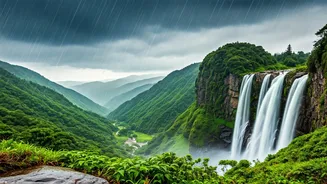
Given the conditions, this might be the best time to explore Sakleshpur's other attractions. The monsoon is the perfect season to witness waterfalls like Magajahalli and Manjehalli in their full, thunderous glory. A drive through the mist-laden Bisle Ghat offers stunning viewpoints without the risks of a trek. Visiting Manjarabad Fort, with its unique star-shaped architecture, or exploring the region's famed coffee plantations can be equally rewarding. These activities allow you to experience the breathtaking beauty of the monsoon season in the Western Ghats while staying safe. Life in the region slows down during the rains, offering a chance to enjoy a quieter, more relaxed holiday.