

The results of the November 2026 midterm elections have sent ripples across the globe, intensifying the debate over America’s role in the world. With a politically divided Washington, the future of U.S. foreign policy is more uncertain than ever.
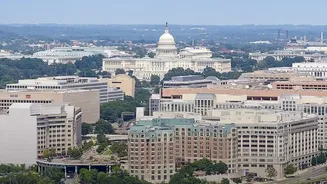
A Capital Divided by More Than Politics
The 2026
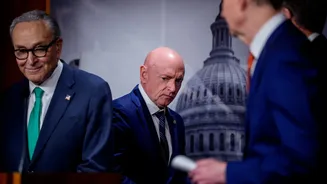
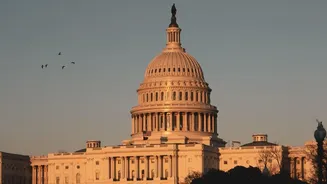
midterm elections delivered a stunning rebuke to the Republican party, with Democrats taking control of both the House and Senate. According to exit polling and subsequent analysis, this historic shift was driven not just by domestic issues, but by a potent mix of voter frustration over the cost-of-living crisis and growing discontent with America’s role in overseas conflicts, particularly the war with Iran. This outcome has left President Trump to govern his final two years with a hostile Congress, creating a deeply fractured political landscape. While the President retains significant authority in foreign affairs, the new Democratic majority now holds the power of the purse and oversight, threatening to challenge the administration's agenda through budget fights and congressional investigations.
The Fading Promise of 'America First'
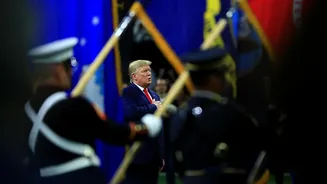
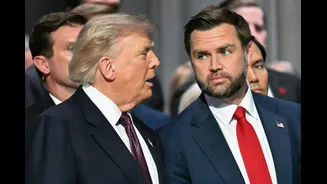
Donald Trump's political identity has long been tied to an 'America First' platform that promised to end 'endless wars'. However, his second term has been marked by a significant military conflict with Iran, a decision that many analysts believe cost his party dearly in the midterms. The war, and its associated economic fallout, including high gas prices, became a central issue for voters. This has created a deep schism within the Republican party itself. Figures like Senator J.D. Vance have publicly called for an end to the war and a re-evaluation of the U.S. relationship with allies like Israel, arguing for a return to a more isolationist stance. Yet, President Trump has defended the conflict, stating it was necessary to prevent Iran from obtaining a nuclear weapon, and may even seek to cement his legacy with further military action before his term ends.
A Democratic Party in Flux
While united in their opposition to Trump, the Democrats are navigating their own internal divisions on foreign policy. The party's platform includes progressives who are increasingly skeptical of foreign intervention and military spending. The election of figures like Abdul El-Sayed, who will be the first Muslim senator, highlights this shift. El-Sayed has openly praised the administration's decision to end military aid to Israel, signaling a significant departure from traditional bipartisan consensus. The Democratic-controlled Congress is expected to push for greater scrutiny of the Iran war, potentially using appropriations to restrict funding for the conflict and for arms sales to the Middle East. This reflects a broader public sentiment, as polling indicates that voters from both parties have grown weary of policies that lead to foreign entanglements.
How the World is Watching
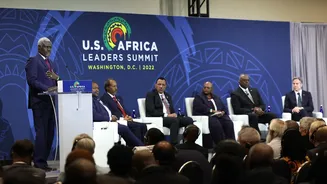
The political turmoil in Washington is being watched closely by allies and adversaries alike. European allies, who have had a strained relationship with the Trump administration, are skeptical that the midterm results will lead to a major improvement in transatlantic ties. There are concerns that a lame-duck president, facing domestic opposition, might lean more heavily into his foreign policy authority, potentially ending the war in Ukraine on terms unfavorable to Kyiv. Meanwhile, the administration's 2026 National Defense Strategy outlines a vision of 'burden-sharing', where allies are expected to take on more responsibility for their own security. This approach aims to reduce America's direct military footprint, as seen with the withdrawal from a key base in Syria, while retaining the ability to strike threats from a distance. This leaves allies questioning the reliability of U.S. commitments in an increasingly unstable world.