





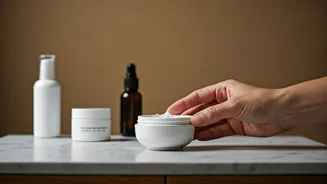


What Is Glossy Skin, Really?
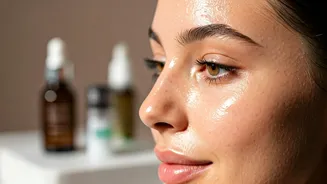
You’ve seen it everywhere: skin that looks impossibly plump, smooth, and luminous, as if it’s lit by an internal glow. This is the essence of 'glossy skin'. It’s a departure from the multi-layered, contoured makeup that once dominated, shifting the focus
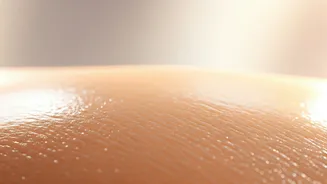
to a 'skin-first' philosophy. Often used interchangeably with terms like 'glass skin' (a K-beauty trend referring to skin so clear it's almost transparent) or 'dolphin skin' (skin that looks wet and glistening), the core idea is the same: a complexion that radiates health and hydration. It’s not about being oily or greasy; it’s about achieving a high-shine, dewy finish that looks intentional, fresh, and youthful. This look champions your natural skin texture rather than hiding it.
The Foundation: It Starts With Skincare
The secret to true glossy skin isn't found in a makeup palette—it's cultivated through a consistent skincare routine. Makeup can enhance the glow, but the authentic luminosity comes from well-cared-for skin. This trend is less about a quick fix and more about a long-term commitment to skin health. Think of it as an investment in your skin's natural radiance. Before you even think about reaching for a highlighter, focus on building a routine that cleanses, hydrates, and protects. A healthy skin barrier is the non-negotiable first step to achieving that coveted, dewy sheen. When your skin is happy and hydrated, it naturally reflects more light, doing half the work for you.
Step 1: Hydrate and Exfoliate
Hydration is the cornerstone of glossy skin. This means drinking plenty of water throughout the day and layering hydrating products. Look for serums and moisturisers containing hyaluronic acid, a superstar ingredient that can hold up to 1,000 times its weight in water, pulling moisture into your skin for a plump, juicy effect. Glycerin and ceramides are also excellent for reinforcing your skin's moisture barrier. Next, you need a smooth canvas. Dead skin cells create a rough, dull surface that absorbs light instead of reflecting it. Incorporate gentle exfoliation into your routine 2-3 times a week. Chemical exfoliants with Alpha Hydroxy Acids (AHAs) like glycolic or lactic acid are fantastic for dissolving dead skin and revealing the brighter skin underneath without harsh scrubbing.
Step 2: Layering and Locking It In
The technique of layering lightweight, hydrating products is key. After cleansing, start with a hydrating toner or essence, patting it into the skin. Follow up with your hyaluronic acid serum while your skin is still slightly damp to maximise absorption. Then, apply a nourishing moisturiser to seal everything in. For an extra boost of glow, especially if you have dry skin, don't be afraid of a good facial oil. A few drops pressed gently onto the high points of your face (or mixed into your moisturiser) can create a beautiful, natural sheen and lock in all the hydrating goodness underneath. The goal is to build thin, watery layers of hydration that leave the skin feeling supple, not heavy.
Step 3: Enhance with Makeup
Now for the fun part: makeup. To maintain the 'skin-first' look, less is more. Start with a dewy or illuminating primer to create a radiant base. Opt for a lightweight tinted moisturiser or a sheer, hydrating foundation instead of a full-coverage matte formula. Apply it with a damp sponge for a seamless finish. The star of the show is the highlighter, but choose wisely. Ditch the chunky glitters and pick a liquid or cream highlighter for the most natural, 'lit-from-within' effect. Apply it strategically to the high points of your face: the tops of your cheekbones, the bridge of your nose, your brow bone, and your cupid's bow. Finally, set your look not with powder, but with a hydrating facial mist. This will melt all the products together and give you that final, glossy finish.
Making It Work in India's Climate
Achieving a glossy look in a hot and humid climate without appearing greasy can be tricky, but it's entirely possible. The key is balance. While you want to embrace the glow, you may need to selectively control shine. Instead of powdering your whole face, use a translucent setting powder very sparingly, and only on areas that tend to get oily, like the T-zone (forehead, nose, and chin). Using blotting papers during the day can also help absorb excess oil without disturbing your makeup. Furthermore, choose non-comedogenic products that won't clog your pores, and always, always finish with a lightweight, broad-spectrum sunscreen to protect your glowing skin.