




Why Go Vertical? The Benefits of a Living Wall
The most obvious advantage of a vertical garden is its space efficiency. By growing upwards on walls or in hanging structures, you can introduce dozens of plants into a room that might not have space for a single large pot. But the benefits go far beyond
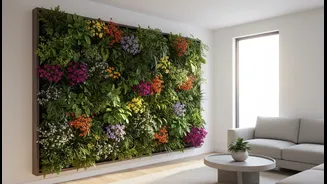
saving space. Indoor plants are natural air purifiers, absorbing pollutants and releasing oxygen, which can improve the air quality in your home. Studies have also shown that being around greenery can reduce stress and increase feelings of well-being. A living wall can also act as a natural sound dampener, which is a welcome bonus in a noisy apartment building. It transforms a plain wall into a dynamic piece of living art, adding texture, colour, and life to your decor.
Choosing Your Vertical Garden System
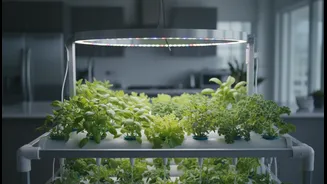
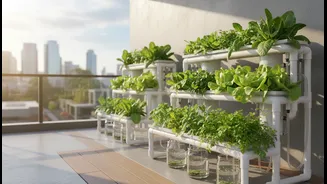
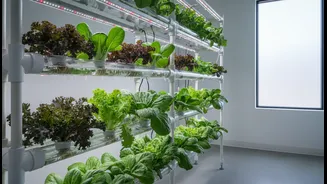
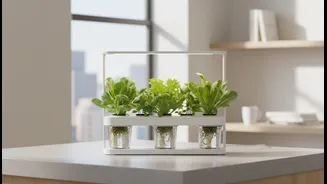
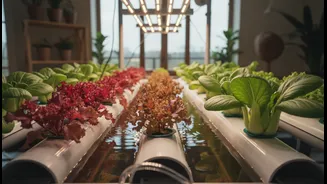
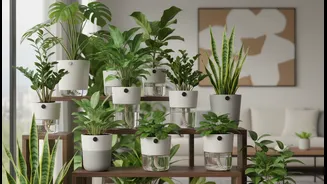
There are several types of vertical gardening systems to fit different spaces, budgets, and DIY skill levels. Wall-mounted pocket planters, often made of felt or canvas, are a popular and lightweight choice for creating a lush green expanse. For a more structured look, modular or wall-mounted planters can be attached to a wall, sometimes with a backing to protect the surface. Freestanding options like tiered shelving units, ladder-style plant stands, or tall bookcases are perfect for renters, as they require no drilling. Hydroponic systems, such as tower gardens, are soil-free and can be highly efficient for growing herbs and leafy greens indoors, often coming as all-in-one kits. For a simple start, you can even use hanging planters, railing planters on a balcony, or create a DIY system with recycled materials like mason jars or pallets.
The Best Plants for Your Indoor Garden
Choosing the right plants is crucial for a thriving vertical garden. Look for species that are low-maintenance and have shallow root systems. For lower-light indoor spaces, Pothos (Money Plant), Snake Plants, ZZ Plants, and many types of Ferns are excellent, resilient choices. These plants are known for their ability to tolerate a range of conditions and forgive occasional neglect. Spider Plants are another fantastic option, as they are adaptable and produce cascading “spiderettes” that add a dynamic visual element. If you have a spot with bright, indirect light, succulents like Echeveria can offer a stunning variety of shapes and colours. For a functional garden, consider growing herbs like mint, basil, and parsley, which can thrive in vertical setups and provide fresh ingredients for your kitchen.
Setting Up for Success: Light and Watering
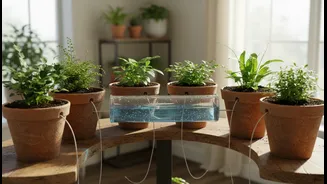
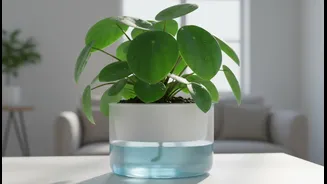
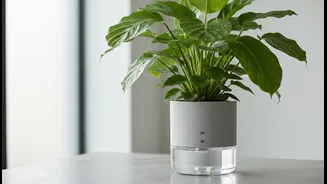
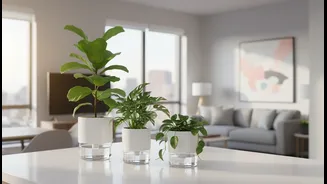
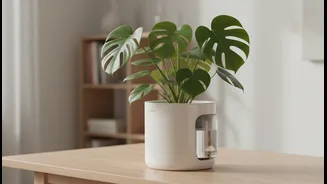
Proper placement is key. Most indoor plants thrive in bright, indirect sunlight, so positioning your vertical garden near a window is ideal. If natural light is limited, you can supplement with full-spectrum LED grow lights, which can be clipped onto shelves or integrated into your setup. Watering can be a challenge for vertical gardens. The top layers tend to dry out faster, so consistent moisture is important. Using a watering can with a long spout helps reach all the plants without spillage. To make maintenance easier, consider self-watering planters or systems with built-in reservoirs. Misting your plants can also help increase humidity, especially for tropical varieties like ferns. Before installing any wall-mounted system, always check your lease for any rules and use appropriate hardware to ensure it is securely fastened, protecting your walls.