




The Modern Traveller’s Crystal Ball
In an age of instant information, the savvy traveller has a new tool in their planning arsenal: live CCTV feeds. Once the exclusive domain of security and traffic control rooms, many public-facing cameras are now accessible online. These offer a real-time
window into conditions on the ground, transforming the way we plan everything from a weekend getaway to a daily commute. Instead of relying solely on static maps or outdated information, you can now see the situation for yourself. This technology is particularly useful in a country as dynamic as India, where conditions can change in an instant. From monitoring traffic on city expressways to checking crowd levels at popular tourist spots, these live feeds provide actionable intelligence that can save you time, money, and considerable frustration. Think of it as a crystal ball, giving you a glimpse into your destination before you even leave home, allowing for a smoother and more predictable journey.
Beat the Queues at Pilgrimage Sites
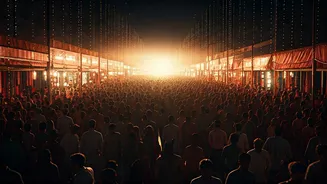
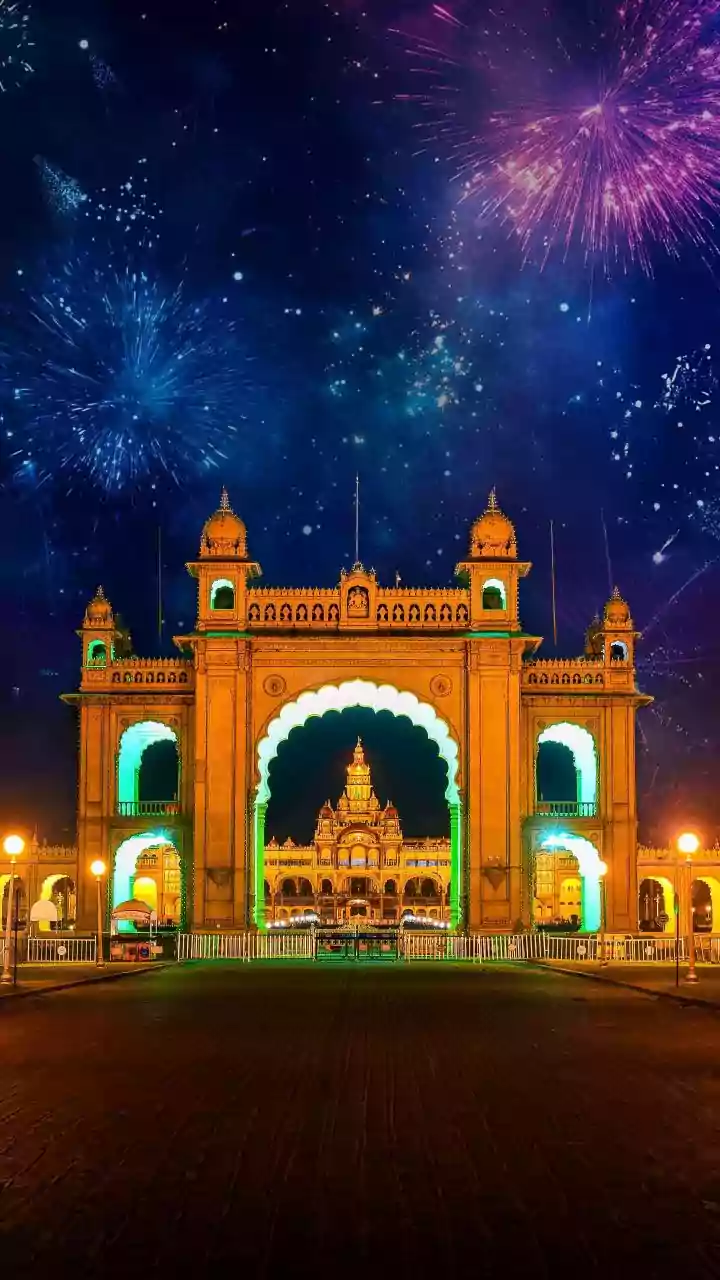
India’s pilgrimage sites attract millions of devotees, often resulting in long waiting times that can span many hours. This is where CCTV monitoring becomes invaluable. Major shrine boards, such as those for Tirumala Tirupati Devasthanams and Shri Mata Vaishno Devi, have started providing real-time information on queue status. Some even offer live video feeds of the queue complexes. By checking these official websites before or during your visit, you can get a realistic estimate of the darshan waiting time. For example, knowing that the free Sarva Darshan queue at Tirumala is estimated at 18 hours versus a 3-hour wait for a special entry ticket can help you make an informed decision that best suits your schedule and budget. This allows pilgrims to plan their arrival at the queue complex, choose less congested time slots, or decide on the type of darshan ticket to purchase, turning a potentially arduous wait into a more manageable spiritual experience.
Navigate City Traffic and Weather Like a Pro
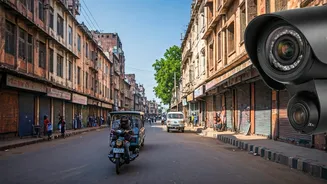
Beyond tourist destinations, live traffic cameras are a boon for navigating India’s bustling cities. Major metropolitan traffic police departments, including Mumbai's, use extensive CCTV networks to manage flow and enforce rules. While not all feeds are public, many cities and third-party applications provide access to key intersection and expressway cameras. Before heading to the airport or an important meeting, a quick check of the live traffic can help you avoid gridlocked routes and choose a faster alternative. This is also incredibly useful when travelling to hill stations or areas prone to adverse weather. A live camera feed can show you the real-time weather conditions—be it heavy rain, fog, or snowfall on mountain passes—providing a more accurate picture than a standard weather forecast and helping you decide if it’s safe to travel.
How to Find and Use These Live Feeds
Finding these live feeds is easier than you might think. The best place to start is the official website of the authority managing the location. For temples and shrines, search for the official shrine board's website and look for terms like “Live Darshan,” “Queue Status,” or “Live Update.” For traffic, search for the city’s “Traffic Police” website or use mapping services that integrate live camera data. Websites that aggregate public webcams from around the world can also be a useful resource, though the quality and reliability may vary. When searching, use specific keywords like “Mumbai traffic live camera” or “Vaishno Devi live aarti.” Once you find a feed, you can use it to make immediate decisions. See a long queue? Maybe visit a different spot first. See a clear highway? Now is the perfect time to start your journey.
A Note on Privacy and Limitations
While public CCTV feeds are a powerful tool, it’s important to be aware of their context and limitations. These cameras are located in public spaces for security and management, and their use is governed by regulations. As a viewer, you are an observer of public activity. It's also crucial to remember that not all places have public-facing cameras. The availability and quality can differ, with some feeds being high-definition and others lower resolution or subject to downtime. Furthermore, AI-powered crowd analytics are becoming more common, with systems designed to monitor crowd density and flow patterns rather than identify individuals, as seen in plans for Mumbai and at major events like the Kumbh Mela. These systems are used by authorities to improve safety and resource management.