






A New Chapter in Climate Science
A growing movement in the scientific community is championing a more collaborative approach to studying our planet. Known as participatory action research (PAR) or citizen science, it moves away from the traditional model where scientists collect data
in isolation. Instead, it involves actively partnering with the people who live in the environments being studied. This means treating community members, from farmers to Indigenous groups, not just as subjects but as co-researchers who bring invaluable knowledge to the table. The goal is to combine rigorous scientific methods with the lived experiences and generational wisdom of local populations to tackle complex issues like climate change.
Better Data Through Local Knowledge
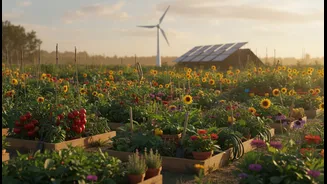
One of the most significant benefits of community participation is the improvement in data quality. Local and Indigenous communities often possess deep, place-based knowledge passed down through generations. This includes nuanced understanding of rainfall patterns, soil health, and biodiversity that satellite imagery or short-term field studies might miss. For example, a project in India empowered farmers to become citizen scientists, testing different crop varieties on their own land to see which were most resilient to changing climate conditions. This crowdsourced data helped scientists make more location-specific and effective crop recommendations, a task that would have been far more costly and less precise without the farmers' direct involvement.
Building Trust and Inspiring Action
Beyond just data, community-led research fosters trust and a sense of ownership over the solutions. When local residents are involved in identifying climate risks and co-designing adaptation strategies, they are more likely to see the research as relevant and credible. This collaboration helps bridge the gap between scientific findings and real-world action. In parts of South Asia, citizen scientists have been trained to collect and interpret local climate information, combining it with weather forecasts to make more informed agricultural decisions. This empowerment builds a community's capacity to adapt and fosters a proactive, rather than reactive, approach to climate challenges.
Indian Initiatives Leading the Way
This collaborative model is already showing promising results across India. In one initiative, citizen scientists helped map air pollution hotspots in cities like Gurgaon and Patna using low-cost sensors, providing granular data that empowers communities to advocate for cleaner air. Another programme called SeasonWatch engages people across the country to monitor the seasonal cycles of trees, creating a vast database on the subtle impacts of climate shifts. In the Indo-Gangetic plains, AI algorithms trained with data from citizen scientists successfully identified thousands of previously unmapped brick kilns, a major source of air pollution, enabling regulatory action. These projects demonstrate that when technology and local participation combine, the potential for positive environmental action is enormous.
The Road Ahead
Despite its clear advantages, this approach is not without challenges. It requires a fundamental shift in mindset from institutions, moving from a top-down to a partnership-based model. Meaningful collaboration takes time and resources to build trust and ensure that community voices are genuinely heard and respected, particularly those from marginalized groups. Scientists must often act as facilitators, navigating complex social dynamics and power imbalances. However, the consensus is growing: for climate solutions to be just, equitable, and truly effective, they must be built from the ground up, with community knowledge and participation at their very core.