






The Historical Trail: A Walk Through Time
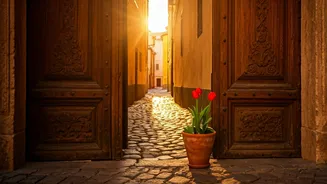
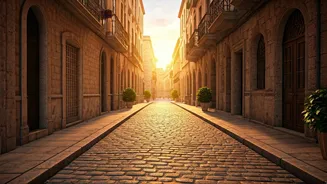
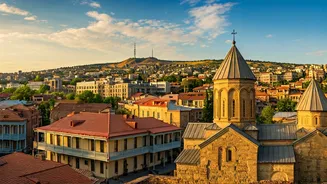
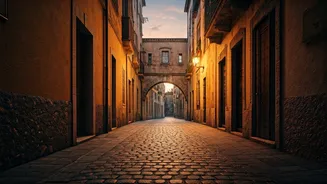
Tbilisi’s story is best told on foot, and thankfully, walking is free. Start in the Old Town (Dzveli Tbilisi), a labyrinth of cobblestone streets, leaning wooden houses with ornate balconies, and hidden courtyards. Every corner reveals another layer of its
Persian and Russian past. A short, steep walk or a quick cable car ride takes you up to the Narikala Fortress. Perched above the city since the 4th century, it offers panoramic views that are priceless, though the experience costs next to nothing. Descend into the Abanotubani district, famous for its domed sulphur baths. While a private bath session is a worthy splurge, simply wandering through the area, smelling the faint scent of sulphur and admiring the unique architecture, is an experience in itself.
The Culinary Trail: A Feast for the Senses
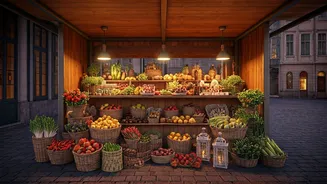
To visit Georgia and not indulge in its food is to miss its soul. While you've probably heard of khachapuri, the iconic cheese-filled bread, the culinary journey goes much deeper. Dive into a plate of khinkali, juicy soup dumplings that require a special slurping technique to eat properly. Sample pkhali, flavourful vegetable pâtés made from spinach or beetroot mixed with ground walnuts and herbs. The best part? You can feast like royalty on a commoner's budget. Local bakeries (tone) serve fresh bread for pennies, and small family-run restaurants, or 'dukhans', offer generous, authentic meals that cost a fraction of what you'd pay in Western Europe. Don't forget the wine. As the birthplace of viticulture, Georgia’s wine is exceptional and incredibly affordable.
The Architectural Trail: Soviet Relics and Modern Marvels
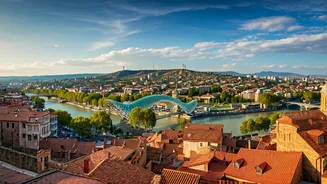
Tbilisi’s skyline is a fascinating conversation between the past and the future. The city doesn’t shy away from its complex history. You’ll find imposing Soviet-era Brutalist structures standing just a short distance from centuries-old Orthodox churches. This contrast is what makes the city so visually compelling. But Tbilisi is also rocketing into the 21st century. Walk across the dazzling, wave-like Bridge of Peace, a modern glass-and-steel structure that glows with thousands of LEDs at night. Nearby, the futuristic, tube-shaped Rike Park Concert Hall and Exhibition Centre looks like something from a sci-fi film. This blend of old, Soviet, and hyper-modern makes for an architectural tour unlike any other in Europe.
The Artistic Trail: Creativity in Every Corner
There's a palpable creative energy buzzing through Tbilisi. For a dose of bohemian culture, head to the Dry Bridge Market, an open-air flea market where you can find everything from Soviet-era memorabilia and antique jewellery to handmade crafts and paintings by local artists. It’s a treasure trove for souvenir hunters and a fantastic place to people-watch. For a more contemporary vibe, visit Fabrika. This former Soviet sewing factory has been transformed into a multi-functional urban space with a hostel, artist studios, cafes, and bars, all surrounding a vibrant public courtyard. It’s the heart of the city’s hipster scene and a hub for street art, live music, and creative events, proving that Tbilisi's culture is not just in museums but alive on its streets.
The Practical Perks: Why Your Rupee Goes Further
The cultural richness is what draws you in, but the affordability is what makes a long, immersive trip possible. The claim of being a top budget choice isn't just talk. Public transport, including the efficient metro system, is incredibly cheap. Ride-hailing apps like Bolt offer shockingly low fares for getting around the city, often costing less than a cup of coffee back home. Accommodation ranges from budget-friendly hostels and guesthouses to affordable Airbnbs that offer great value. When you combine the low cost of food, transport, and lodging with the sheer number of free activities — like hiking in Mtatsminda Park, exploring neighbourhoods, and admiring street art — Tbilisi’s value proposition becomes undeniable.