


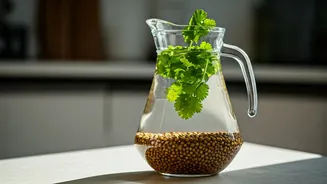


An Ancient Secret from Your Masala Dabba
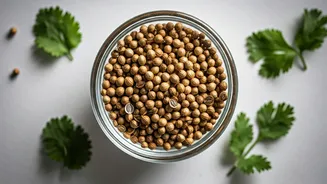
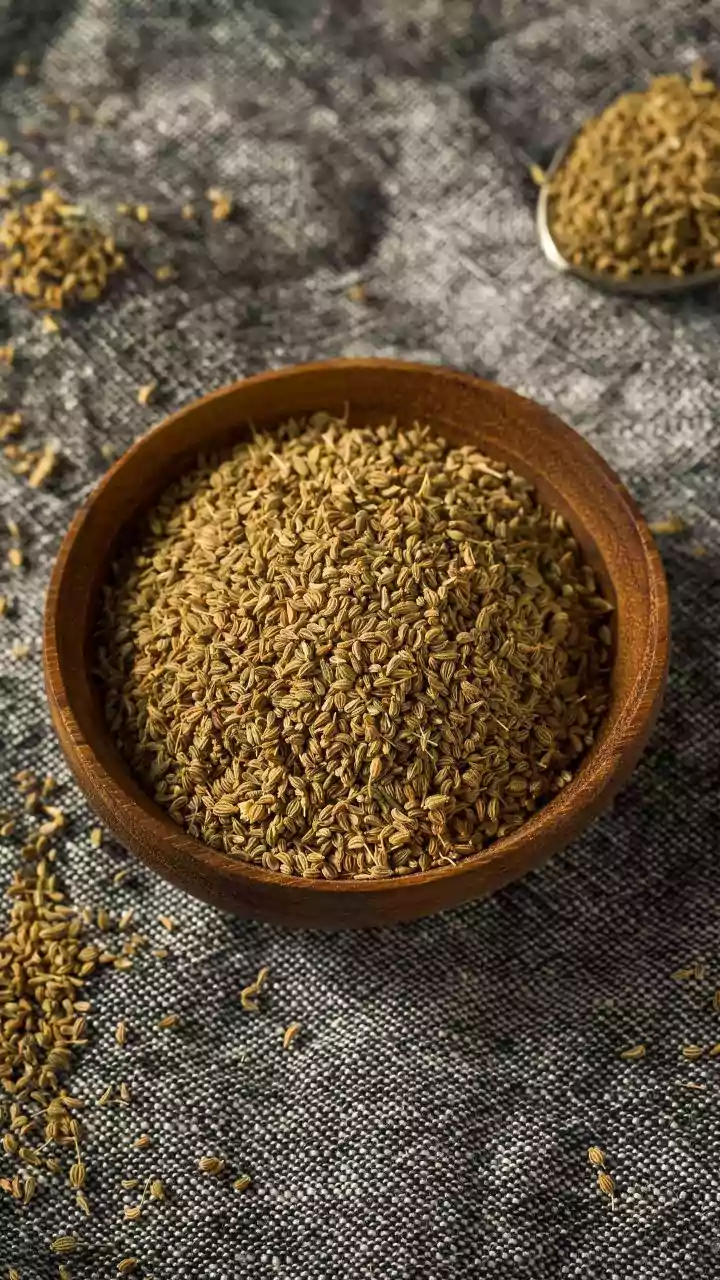
Coriander, or dhaniya, is a non-negotiable staple in every Indian kitchen. We use its fresh leaves for garnish and its potent seeds for the base of countless masalas. But beyond flavour, these tiny, fragrant seeds hold a revered place in traditional wellness,
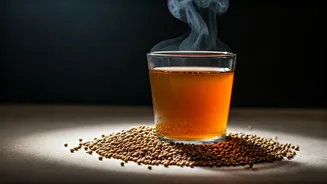
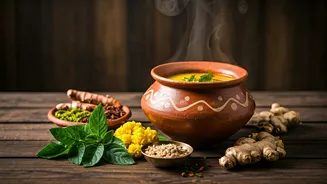
particularly in Ayurveda. For centuries, dhaniya water has been a go-to home remedy for a host of ailments, most notably for soothing an unsettled stomach. It’s not a trendy new discovery but a piece of timeless wisdom passed down through generations, waiting to be rediscovered in our modern, often stressful lives. This simple infusion transforms the humble spice from a mere culinary ingredient into a powerful wellness tool.
Why Coriander for Gut Comfort?
So what makes this simple concoction “gut heaven”? The magic lies in the inherent properties of coriander seeds. In Ayurvedic tradition, coriander is known for its cooling (sheetal) properties, which can help pacify pitta dosha, often associated with heat, acidity, and inflammation in the digestive tract. The seeds are celebrated for their carminative effects, meaning they can help relieve bloating and gas by aiding their expulsion. Furthermore, they are believed to stimulate the secretion of digestive juices and enzymes, which facilitates a smoother, more efficient digestive process. Certain compounds within the seeds, like linalool, are also being studied for their potential anti-inflammatory and antioxidant benefits. While not a cure-all, these properties combine to create a gentle, supportive drink that can help ease discomfort, reduce that heavy feeling after a meal, and promote overall digestive harmony.
The Perfect Afternoon Ritual
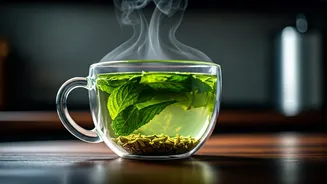
The “afternoon” part of the headline is key. The hours between 2 PM and 5 PM are often when our energy dips and our digestive system is working its hardest to process lunch. This is when we are most tempted to reach for a sugary snack or a caffeine-heavy beverage, which can sometimes lead to more acidity, jitters, or a later crash. Coriander seed water offers a beautiful alternative. It’s caffeine-free, hydrating, and works with your body, not against it. A warm cup of this infused water can feel incredibly comforting, gently easing any post-meal bloating and preparing your system for the rest of the day. It’s a mindful ritual that encourages you to pause, sip, and soothe, turning the dreaded afternoon slump into a moment of self-care for your gut.
How to Make This Simple Infusion
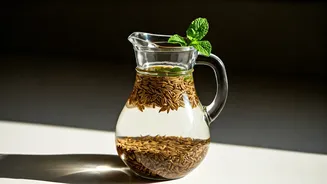
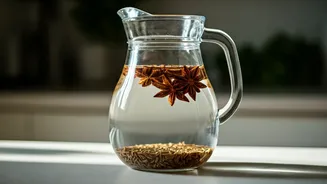
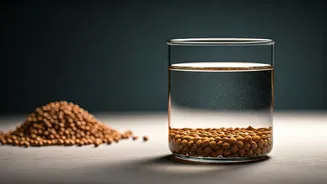
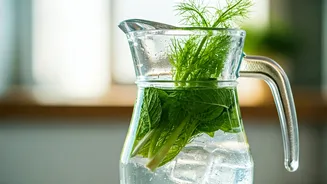
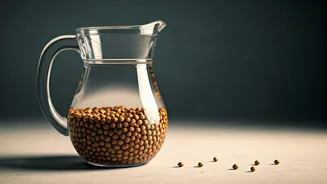
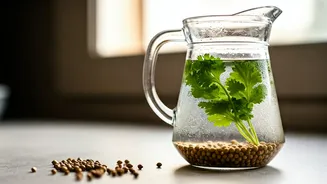
Making coriander seed water is incredibly easy, and you likely already have everything you need. There are two primary methods: **The Quick-Boil Method (For immediate use):** 1. Take 1-2 teaspoons of whole coriander seeds. 2. Lightly crush them using a mortar and pestle or the back of a spoon. This helps release their essential oils. 3. Add the crushed seeds to 1.5 cups of water in a small saucepan. 4. Bring to a boil and let it simmer for 5-7 minutes, until the water becomes fragrant and slightly coloured. 5. Strain the water into a cup and let it cool to a comfortable, warm temperature. **The Overnight Soak Method (For a milder flavour):** 1. Take 1-2 teaspoons of lightly crushed coriander seeds. 2. Add them to a glass of water and let them soak overnight (or for at least 4-6 hours). 3. In the morning, you can either strain and drink the water as is (at room temperature) or gently heat it before drinking. For an extra digestive boost, you can add a few fennel seeds (saunf) or a pinch of cumin seeds (jeera) while boiling or soaking.
Tips for Best Results
To make this a truly beneficial habit, consistency is key. Try incorporating it into your routine for a week and observe how your body feels. Always use good-quality, organic coriander seeds if possible, as they will have a more potent flavour and better properties. While many people find it most effective in the afternoon, you can also drink it first thing in the morning on an empty stomach to help kickstart your digestion. Remember to listen to your body; this is a gentle remedy, but everyone is different. Think of it less as a medicine and more as a supportive, nurturing habit that complements a balanced diet and healthy lifestyle.