




Radish (Mooli)
The crisp, peppery bite of a fresh radish is one of the first true signs of the approaching winter. In October, look for firm, smooth, and bright white radishes. Avoid any that feel soft, have black spots, or look withered. The leaves are just as important;
they should be a vibrant green and look fresh, not wilted or yellow. Smaller to medium-sized radishes are often younger and have a milder, sweeter flavour, while larger ones can become more fibrous and pungent. Don't discard the leaves; they can be cooked into a delicious and nutritious bhurji or added to dals. The radish itself is famously used to make Mooli Parathas, added to salads for a crunchy texture, or pickled into a tangy achaar that can last through the season.
Spinach (Palak)
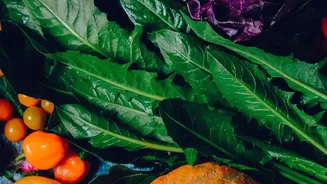
While available in some form year-round, the best spinach arrives with the cooler weather. October spinach has tender, vibrant green leaves and a distinctly fresh, earthy flavour, a far cry from the tougher leaves of the summer. When buying, look for bunches with crisp, perky leaves and avoid any that are yellowed, slimy, or bruised. Check the stems; they should be firm and easy to snap. This early winter spinach is perfect for a classic Palak Paneer, where its creamy texture shines. It's also excellent when pureed into soups, finely chopped and mixed into paratha or puri dough, or simply sautéed with garlic and a pinch of cumin for a quick and healthy side dish.
Cauliflower (Gobi)
The dense, creamy-white heads of cauliflower that appear in October are a welcome sight. For the freshest Gobi, seek out heads that are compact, firm, and feel heavy for their size. The florets should be tightly packed together, and you should see no signs of browning or dark spots. The surrounding green leaves are a great indicator of freshness—they should be green and crisp, not dull or wilting. Early winter cauliflower has a sweeter, less bitter taste, making it incredibly versatile. It is the star in dishes like Aloo Gobi, can be roasted whole with spices, grated to make a low-carb Gobi 'rice', or dipped in batter and fried for the ever-popular Gobi Pakoras, a perfect snack for a cool October evening.
Fenugreek Leaves (Methi)
Fresh methi is a flavour powerhouse, known for its uniquely bitter yet deeply aromatic taste. The October batches are often young and tender, which means they are less bitter than the mature plants you find later in winter. Look for bunches with fresh green leaves and tender stems. Avoid any that look yellow or have started to flower, as this indicates older, more bitter leaves. To prepare, pluck the leaves from the thicker stems, wash them thoroughly to remove any grit, and chop. Methi is a staple in many Indian households, used to make the iconic Aloo Methi, kneaded into the dough for flavourful Methi Theplas, or added to dals for an extra layer of flavour and nutrition.
Carrots (Gajar)
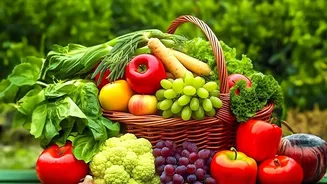
October brings the first arrival of carrots, though the famous deep-red Delhi carrots used for Gajar ka Halwa usually appear a bit later. The carrots you'll find now are typically of the orange variety, and they are wonderfully sweet and crunchy. Look for carrots that are firm, smooth, and have a bright, uniform colour. Avoid any that are limp, cracked, or have an abundance of tiny rootlets, which can be a sign of age. These carrots are perfect for eating raw in salads, juicing for a healthy start to your day, or chopping into a simple sabzi with peas. Their natural sweetness also makes them a great addition to stocks, soups, and stir-fries, adding both colour and flavour as the festive season approaches.