





How the Pineapple Became a Star
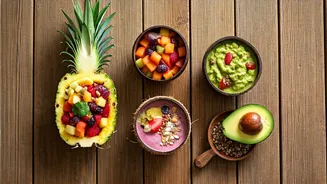
For the last few years, the humble pineapple has been living a double life. No longer just an ingredient, it became the bowl itself. This trend wasn't just a gimmick; it was a perfect storm of social media appeal and flavour. The bright yellow shell provided
a stunning, colourful backdrop for smoothie bowls, cocktails, and savoury rice dishes, making every meal instantly Instagram-worthy. Restaurants and cafes across India, from beach shacks in Goa to trendy eateries in Mumbai and Bengaluru, quickly adopted the pineapple bowl. It signaled fun, freshness, and a touch of the exotic. More than just a pretty picture, serving a dish in its own fruit often imparts a subtle, fresh flavour that a ceramic bowl simply can't.
Beyond the Visuals: A Taste of Sustainability
While the aesthetic appeal is undeniable, the move towards natural serving bowls is rooted in something much deeper: a growing desire for sustainable and thoughtful consumption. This trend is a delicious expression of the zero-waste philosophy, which is predicted by culinary experts to be a major force in 2026. By using the entire fruit or vegetable, chefs and home cooks alike are minimizing waste in a creative and flavourful way. This 'root-to-stem' approach isn't just environmentally responsible; it's a showcase of culinary ingenuity, turning potential scraps into a core part of the dining experience. It aligns with a broader shift where diners are increasingly conscious of where their food comes from and the environmental impact of their choices.
Meet the New Generation of Natural Bowls
The pineapple may have paved the way, but a whole new cast of natural containers is stepping into the spotlight. Coconut shells are now a popular choice for serving South Indian curries and smoothie bowls, lending a rustic, earthy feel. Sturdy vegetables are also getting their chance to shine. Hollowed-out bell peppers, both raw and roasted, make for perfect single-serving containers for salads, dips, and even baked dishes. On the smaller side, avocado skins can be used to serve guacamole or other small appetisers. For larger gatherings, scooped-out watermelons or cantaloupes become vibrant punch bowls or fruit salad containers. And for heartier fare, chefs are using bread bowls for soups and dips, and even large winter squashes and pumpkins for roasted vegetable medleys.
From Restaurant Trend to Home Kitchen Staple
This creative food presentation isn't limited to professional kitchens. Bringing the trend home is surprisingly simple and a great way to delight guests. The next time you host a dinner party, consider serving a creamy tomato soup in a hollowed-out bread roll. A refreshing cucumber and mint raita can be served in a scooped-out cucumber half. For dessert, apple cups filled with a simple cheesecake mix or chocolate bowls made by dipping balloons in melted chocolate can offer a playful and delicious end to a meal. It’s an easy way to elevate a simple dish and make any meal feel like a special occasion without needing to buy new or fancy serveware.
The Future of Dining is Thoughtful
The evolution from the pineapple bowl to a wide array of natural vessels shows a meaningful shift in our relationship with food. It’s no longer just about what we eat, but how we eat. This trend combines presentation, flavour, and sustainability in a way that is both beautiful and responsible. As the zero-waste movement continues to gain momentum in the culinary world, we can expect to see even more innovation. It's a reminder that the most humble ingredients can be transformed into something extraordinary, making dining a more holistic, engaging, and environmentally-conscious experience for everyone.