
A Renaissance in the Home Kitchen
Not long ago, ambitious home baking in India often meant mastering a classic sponge cake or perfecting a batch of holiday cookies. But a culinary revolution is underway, moving from professional patisseries into everyday homes. Spurred by social media
feeds filled with glossy images of Parisian macarons, New York cheesecakes, and Italian tiramisu, Indian home bakers are raising their aspirations. The twist? A significant number of these bakers are vegetarian, driven by cultural, religious, or personal choices to create egg-free versions of these international classics. This movement goes beyond simple substitution; it’s a creative challenge that has turned into a nationwide passion, connecting bakers from different cities as they share techniques and celebrate their successes online.
The Science of Eggless Adaptation
Removing eggs from recipes that rely on them for structure, leavening, and richness is no small feat. But Indian ingenuity shines in the face of this challenge. Home bakers have become amateur food scientists, experimenting with a pantry of clever substitutes. Yogurt and condensed milk are popular for adding moisture and richness, particularly in cakes. Mashed bananas work well in denser bakes like brownies, while ground flaxseed mixed with water creates a viscous binder that mimics an egg's properties. Perhaps the most game-changing discovery has been aquafaba—the humble brine from a can of chickpeas. When whipped, it transforms into a meringue-like foam, making delicate and airy desserts like mousse and macarons possible for the first time in many vegetarian kitchens.
Global Desserts, Desi Makeovers
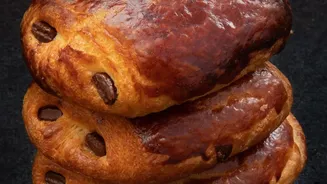
The results of this experimentation are nothing short of spectacular. Italian tiramisu, traditionally made with egg yolks, is being reinvented with a creamy, eggless custard. New York-style cheesecake, which depends on eggs for its dense, smooth texture, is finding new life with combinations of cream cheese, condensed milk, and cornstarch, often baked in a water bath to prevent cracks. Even the notoriously tricky French croissant, a masterpiece of laminated dough, is being made egg-free without sacrificing its flaky layers. These bakers aren't just copying recipes; they are reverse-engineering them, creating desserts that are both globally recognizable and perfectly suited to the Indian palate and dietary landscape.
Fusion Flavours and Entrepreneurial Spirit
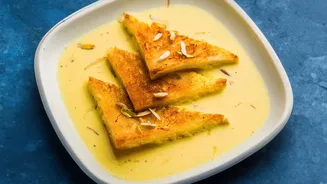
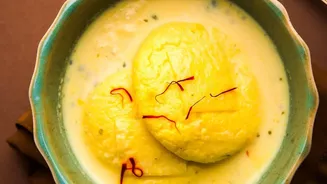
This trend is about more than just adaptation; it's also about fusion. Home bakers are infusing classic global recipes with familiar Indian flavours. Imagine a gulab jamun loaf cake, a rasmalai tres leches, or a tiramisu flavoured with cardamom and saffron instead of coffee. These creations are not only a delight to the senses but also a reflection of a modern Indian identity that is both worldly and deeply rooted in its own traditions. For many, this passion has blossomed into a business. What started as a hobby has become a thriving cottage industry of home bakers taking orders for birthdays, festivals, and special occasions, empowering a new wave of culinary entrepreneurs who have found a market eager for high-quality, vegetarian-friendly baked goods.