








The Age of Influencer-Fueled Hype
The supplement market in India has seen explosive growth, projected to expand significantly by 2030. This surge was fueled by rising health consciousness, higher incomes, and the sheer convenience of e-commerce. Social media, in particular, played a massive
role, with fitness influencers and wellness gurus promoting everything from multivitamins to collagen powders as essential daily habits. This created a culture where supplementation was often seen not just as a health choice, but a lifestyle statement. The market responded with an ever-expanding array of products promising everything from enhanced immunity and energy to better sleep and glowing skin, often driven by trends rather than rigorous science.
When Science Doesn't Match the Claims
The central pillar of this reality check is the growing gap between marketing promises and scientific evidence. Unlike pharmaceutical drugs, dietary supplements often don't require proof of effectiveness before they hit the market. Consequently, while some supplements are backed by solid research for specific deficiencies or conditions, many popular ones are not. For example, large-scale studies have repeatedly shown that a daily multivitamin offers little to no benefit in preventing major diseases or extending life for healthy, well-nourished adults. Many other heavily marketed supplements for immunity or beauty have limited, if any, strong human studies to back their grand claims. This disconnect has led to what some experts call “expensive urine,” where consumers spend money on products their bodies don’t need or can't fully absorb.
The Regulatory Squeeze Gets Tighter
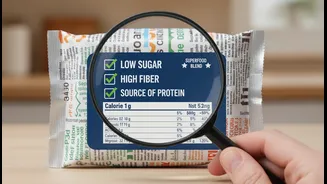
Regulators are also stepping up their game. In India, the Food Safety and Standards Authority of India (FSSAI) has implemented stricter regulations for nutraceuticals and health supplements. These rules now mandate that any health claims must be substantiated by scientific evidence and approved by the authority. Companies must adhere to Good Manufacturing Practices (GMP) and ensure packaging is transparent about ingredients, dosage, and potential side effects. This move aims to protect consumers from misleading advertising and unsafe products, pushing the industry toward greater accountability. This increased oversight means brands can no longer make sensational claims without proof, forcing a much-needed dose of reality into their marketing.
From ‘Influencing’ to ‘De-Influencing’
The very social media platforms that fueled the supplement boom are now hosting its critique. A growing movement known as “de-influencing” has seen creators urge their followers to be more mindful of their purchases and skeptical of overhyped products. Instead of promoting endless “must-have” supplements, these voices encourage critical thinking and question whether expensive products are truly necessary. This trend reflects a broader consumer shift toward authenticity and value. Shoppers are becoming more educated, label-conscious, and skeptical of claims that seem too good to be true, demanding transparency and proof of performance before they are willing to spend their money.
How to Be a Smarter Supplement Consumer
Navigating this new era doesn’t mean abandoning supplements entirely, but rather approaching them with a smarter, evidence-based mindset. The first step should always be a “food-first” approach, as most nutrients are better absorbed from whole foods. Before buying any supplement, consult a doctor or registered dietitian to see if you actually have a deficiency or a specific need that a supplement could address. When you do buy, look for products that have been third-party tested for quality and purity. Be wary of products that promise to cure or treat diseases, as this is a red flag. The goal is to use supplements to fill specific, identified nutritional gaps, not as a replacement for a healthy lifestyle.