

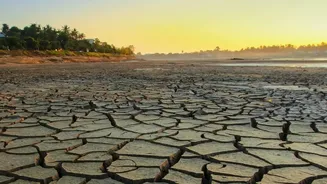
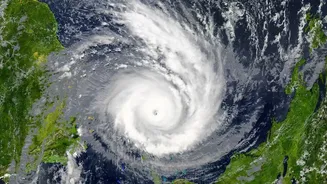
A powerful El Niño is strengthening in the Pacific Ocean, and the latest forecasts suggest it will disrupt weather patterns globally. For India, this could mean a winter and spring of extremes, altering everything from rainfall to temperatures.
What Exactly Is El Niño?
El Niño
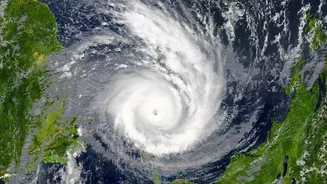
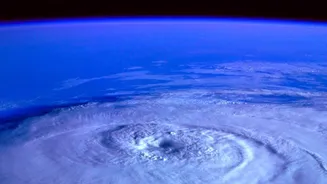
is a naturally occurring climate pattern, the warm phase of the El Niño-Southern Oscillation (ENSO). It's characterized by unusually warm surface waters in the central and eastern equatorial Pacific Ocean. This isn't just a local event; this massive release of heat into the atmosphere disrupts typical wind and weather patterns across the globe. For India, El Niño has historically been linked to weaker monsoon rainfall and shifts in temperature. While it's a natural cycle, the current event is developing in a world already warmed by climate change, which can amplify its effects. Think of it as a powerful, but unpredictable, guest showing up to a party and turning up the music, forcing everyone to react.
The Latest Forecast: A 'Very Strong' Event
Meteorological agencies are in agreement: this is a significant event. The India Meteorological Department (IMD) and the World Meteorological Organization (WMO) have confirmed that strong to very strong El Niño conditions are prevailing. Forecasts indicate a high probability of these conditions not only continuing but strengthening, peaking around the end of 2026 and persisting into the first few months of 2027. Some models suggest this El Niño could be one of the strongest on record since 1950, tracking closely with the historic 1997-1998 event. The probability of El Niño conditions lasting until March 2027 is estimated to be between 87% and 100%. This high confidence among forecasters gives authorities and the public a crucial window to prepare.
Winter Weather in Northern India
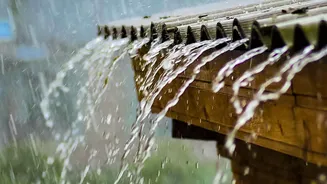
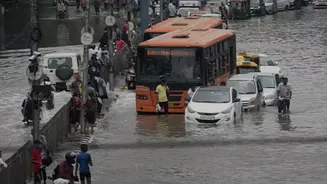
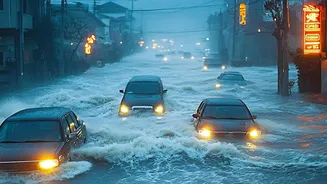
The impact won't be uniform across the country. A recent report focusing on the Hindu Kush Himalaya (HKH) region suggests a potentially wetter and warmer winter for northern India. The combination of a strong El Niño and other weather patterns like western disturbances could lead to above-normal precipitation, including heavier snowfall in mountainous areas. While this might be good for water resources, it also elevates the risk of weather-related disasters like flash floods, landslides, and avalanches in vulnerable high-altitude regions. Authorities are already preparing for these increased risks in areas like Kashmir.
A Drier, Warmer South?
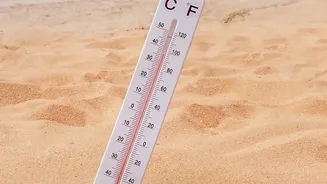
Conversely, some forecasts suggest that southern parts of India might experience drier-than-usual conditions. This is somewhat surprising, as El Niño can sometimes boost rainfall during the northeast monsoon. The variability highlights the complexity of forecasting. What is more certain is the temperature. Widespread marine heatwaves have been observed in the Arabian Sea and the Bay of Bengal, which can influence weather on land. Forecasts point towards an increased likelihood of above-normal temperatures across the subcontinent, potentially leading to more intense and prolonged heatwaves in the pre-monsoon period of 2027.
Impact on Agriculture and Water
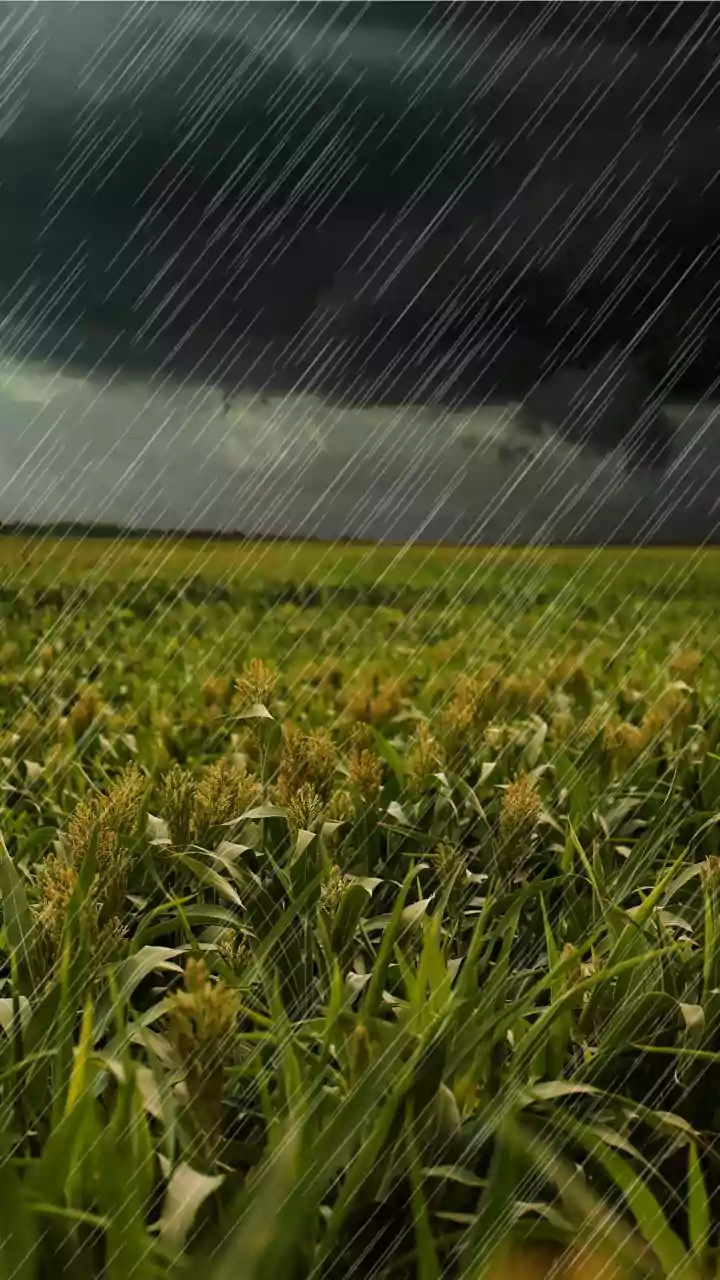
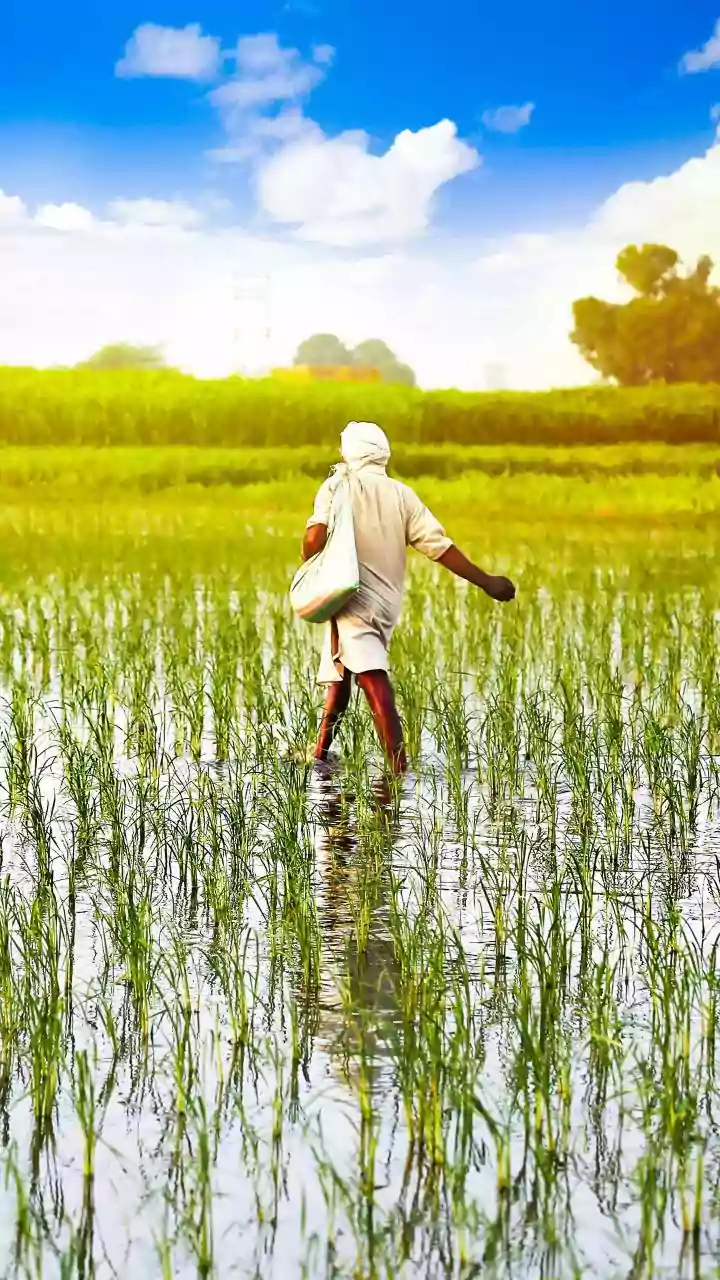
These predicted weather extremes have serious implications for India's crucial agriculture and water sectors. The 2026 southwest monsoon already ended with a rainfall deficit, partly attributed to the developing El Niño. A winter of unpredictable extremes could further stress water resources and impact the rabi (winter) crop season. Reduced rainfall can affect soil moisture and reservoir levels, while unseasonal heavy rains can damage standing crops. The potential for a hotter-than-normal pre-monsoon season in 2027 also raises concerns about water scarcity and increased demand for irrigation and electricity for cooling.