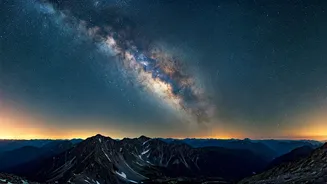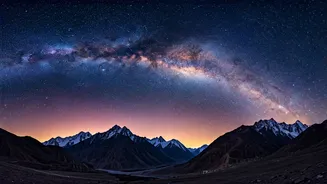

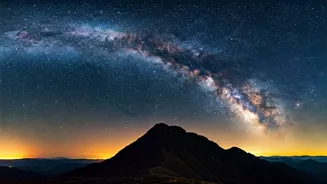
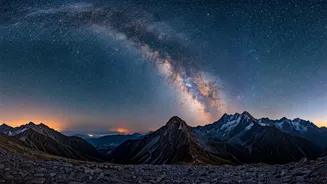


Hanle, Ladakh: India's Official Dark Sky Sanctuary
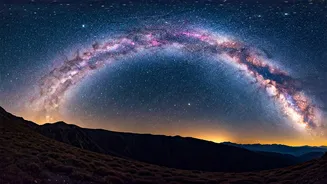
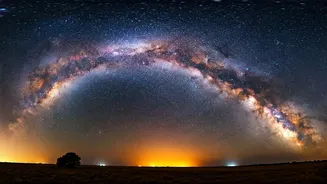
For the ultimate celestial experience, there is no place like Hanle. Tucked away in the Changthang region of Ladakh, this high-altitude village was officially designated as India’s first Dark Sky Reserve. At over 4,500 metres, the air is thin, dry, and
free from the light and air pollution that plagues most of the world. The result is a breathtakingly clear window to the cosmos. The Milky Way doesn’t just appear as a faint smudge here; it’s a brilliant, textured river of light stretching across the sky. Home to the Indian Astronomical Observatory, Hanle is a pilgrimage site for both professional astronomers and amateur stargazers. The journey is long and requires acclimatisation, but the reward is a view of the heavens that feels almost spiritual, with constellations so sharp they seem within reach.
Spiti Valley, Himachal Pradesh: A High-Altitude Desert Dream
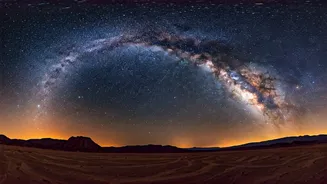
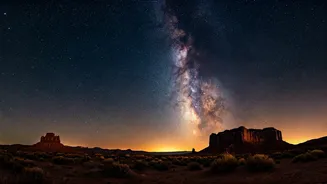
If Ladakh feels a step too far, Spiti Valley offers a similarly dramatic and rewarding dark sky experience. This cold desert mountain valley in Himachal Pradesh is a land of stark landscapes, ancient monasteries, and villages that seem frozen in time. Its remoteness and high altitude make it a natural haven for stargazers. Villages like Kaza, Kibber, and Dhankar offer minimal light pollution and vast, open skies. On a clear, moonless night, the sky explodes with stars, meteors streak by with surprising frequency, and the sheer scale of the universe feels palpable. It’s an adventurer’s paradise, combining rugged trekking and cultural exploration by day with profound cosmic observation by night. The best time to visit is during the summer months when the roads are open and the weather is more manageable.
Rann of Kutch, Gujarat: A Horizon of Stars
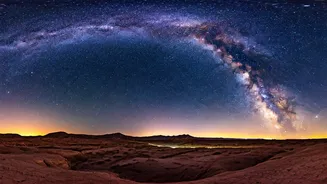
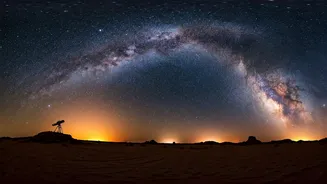
Imagine a vast, flat expanse of white salt desert stretching to the horizon, with nothing to obstruct your view of the celestial dome. That is the magic of stargazing in the Rann of Kutch. This unique landscape provides a 360-degree panorama of the night sky, creating an immersive and almost surreal experience. During the winter months, especially during the Rann Utsav festival, the area comes alive, but a short drive away from the main tourist hubs can land you in profound darkness. The dry desert air enhances visibility, making constellations pop and faint nebulae visible to the naked eye. Lying on the cool salt flats under a blanket of stars, with the silence of the desert around you, is an unforgettable experience that connects you to the earth and the sky in equal measure.
Coorg, Karnataka: The Western Ghats' Celestial Escape
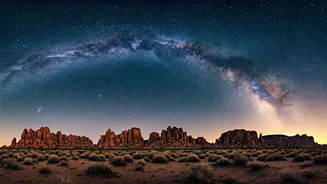
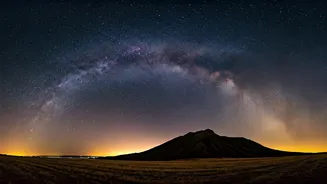
You don't always have to travel to the Himalayas for a good view of the night sky. For those in South India, Coorg (Kodagu) in the Western Ghats offers a more accessible, yet still impressive, escape. While it doesn't boast the high-altitude clarity of Ladakh or Spiti, its rolling hills, dense forests, and sprawling coffee plantations provide numerous pockets of darkness far from city lights. Homestays located deep within the estates are perfect bases for a stargazing trip. After a day of exploring waterfalls and savouring local cuisine, find a clear patch of sky and watch as the stars emerge. The post-monsoon period from October to March offers the clearest nights. It’s a gentler, more serene version of astrotourism, proving that a cosmic connection can be found in the quiet corners of the south, too.