




The Power Hiding in Your Peels
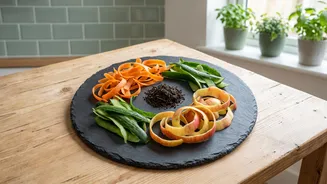
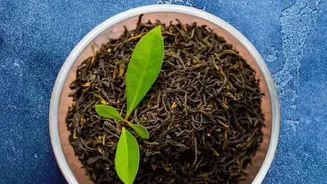
Before you toss them, consider what kitchen scraps contain. Banana peels are packed with potassium, which is vital for flowering and fruiting plants. Used tea leaves and coffee grounds are a great source of nitrogen, essential for lush, leafy growth.
Eggshells provide calcium, which can help prevent issues like blossom-end rot in tomatoes. By turning these items into fertilizer, you're not just reducing waste; you're creating a free, natural alternative to store-bought chemicals that enriches your soil, improves its structure, and helps it retain water.
What You Can (and Can't) Use
Not all kitchen waste is created equal. For a healthy, odour-free fertilizer, it’s crucial to know what to include. Stick to plant-based materials. Good-to-go items include fruit and vegetable peels, cores, and trimmings; used tea leaves and coffee grounds; and crushed eggshells. However, you should avoid certain scraps that can attract pests, create foul smells, or harm your soil. Keep meat, fish, bones, dairy products, and oily or greasy foods out of your mix. Large amounts of citrus, onion, and garlic can also be problematic, as they can repel beneficial worms and microbes.
Method 1: The 'Fertilizer Tea' Brew
One of the easiest ways to harness these nutrients is by creating a liquid fertilizer, often called 'compost tea'. This method is perfect for apartment dwellers and for giving plants a quick, direct boost. Simply gather your soft scraps like banana peels, vegetable trimmings, and tea leaves in a large bucket or jar. Fill the container with water, cover it loosely to allow for airflow, and let it steep for three to five days, stirring it daily. The water will turn dark as it absorbs the nutrients. After a few days, strain the liquid from the solids. Dilute this 'tea' with water at about a 1-to-4 ratio (one part tea to four parts water) before using it to water your plants at their base.
Method 2: Direct-to-Soil Composting
If you have a garden bed, you can employ the 'trench composting' method. This simple technique involves digging a trench or hole about 12 inches deep in an empty patch of your garden. Simply dump your daily collection of kitchen scraps into the hole and cover it back up with at least six inches of soil. This prevents pests and odours. The buried scraps will decompose directly in the ground over several weeks or months, slowly releasing nutrients and improving the soil structure for future planting. It’s a 'set it and forget it' approach that enriches the soil with minimal effort.
Method 3: The Blender Smoothie
For an almost instant fertilizer, especially for houseplants or small container gardens, you can make a 'plant smoothie'. Take soft scraps like vegetable ends and banana peels (avoiding anything too tough or woody) and place them in a blender. Add enough water to create a liquid slurry and blend until smooth. This mixture can be poured directly onto the soil around the base of your plants. Because the scraps are pulverized, they break down much faster, making their nutrients more readily available to the plant roots.
Tips for Success and What to Avoid
To ensure your fertilizer is beneficial, always use scraps from healthy plants and avoid diseased or mouldy waste. When making liquid fertilizer, don't seal the container tightly, as the fermentation process can release gases. If your mixture starts to smell foul or like ammonia, it may have gone anaerobic (lacked oxygen). In this case, it's best to discard it and start again with more frequent stirring. For compost piles, maintain a good balance of 'greens' (nitrogen-rich kitchen scraps) and 'browns' (carbon-rich materials like dried leaves or cardboard) to keep the decomposition process active and healthy.