


A Healthier Take on Indulgence
For years, dessert has been synonymous with compromise—a battle between indulgence and nutrition. But a quiet revolution is changing the narrative. Health-conscious foodies and innovative bakers are moving away from refined flour (maida) and sugar, turning
instead to wholesome, traditional ingredients. This trend is rooted in a desire for treats that not only taste good but also offer genuine nutritional benefits. The movement is seeing a return to ancient grains that were once staples in Indian households, proving that modern desserts can be both delicious and genuinely good for you.
Meet the Stars: Jowar and Ragi
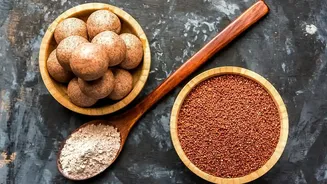
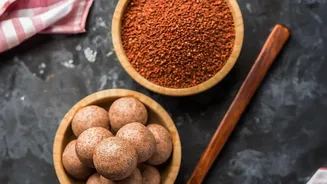
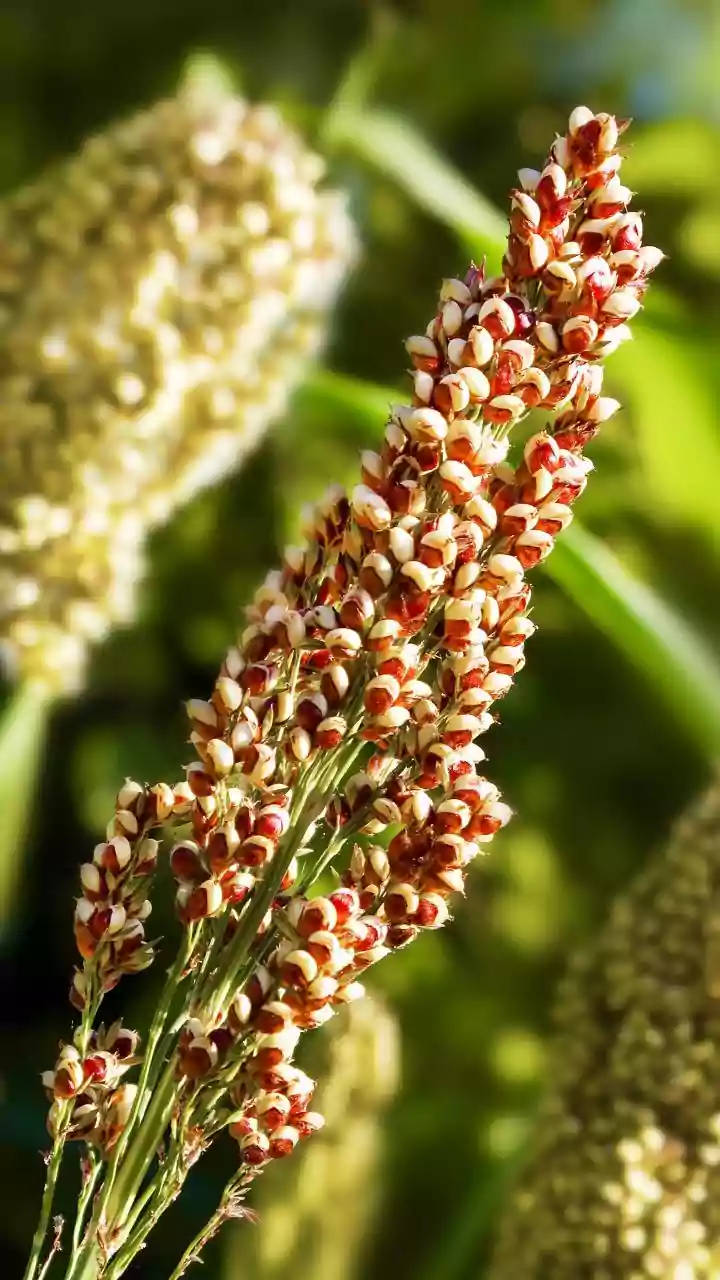
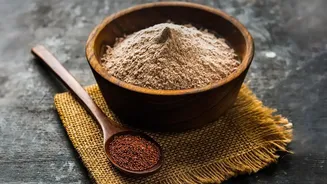
At the forefront of this revolution are two humble millets: jowar (sorghum) and ragi (finger millet). For generations, these grains were used to make rustic rotis and porridge. Now, they are being rediscovered for their incredible versatility in baking. Jowar, also known as sorghum, is a gluten-free grain with a mild, slightly sweet flavour. Ragi, or finger millet, is known for its distinctive reddish hue and earthy taste. Both are naturally gluten-free, making them an excellent choice for those with celiac disease or gluten sensitivity. Their flours provide a wonderful base for baked goods, creating a surprisingly delightful texture.
A Nutritional Powerhouse
Swapping refined flour for jowar and ragi isn't just about avoiding gluten; it's a significant nutritional upgrade. Both millets are packed with dietary fibre, which aids digestion and helps you feel full for longer. Ragi is a standout source of calcium and iron, essential minerals for bone health and maintaining energy levels. Sorghum is rich in antioxidants, magnesium, and B-vitamins, which play crucial roles in everything from heart health to energy production. By incorporating these flours, a simple brownie transforms from an empty-calorie treat into a source of valuable nutrients.
But How Do They Taste?
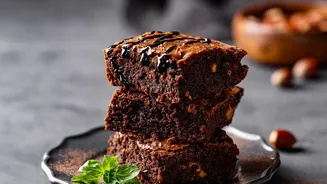
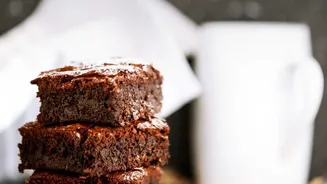
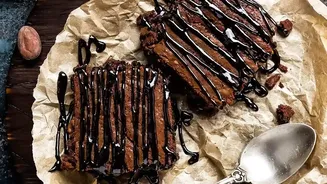
This is the question on every dessert lover's mind. Can a 'healthy' brownie truly compete with the classic? The answer is a resounding yes. The natural earthiness of ragi and the subtle sweetness of jowar complement the richness of dark chocolate perfectly. When baked, these flours create a wonderfully dense and fudgy texture that many people find even more satisfying than a traditional brownie. Bakers often use natural sweeteners like jaggery or dates, which add complex, caramel-like notes that refined sugar lacks. The result is a decadent, moist, and deeply chocolatey experience that tastes authentically indulgent.
More Than Just a Brownie
The rise of millet-based brownies reflects a broader shift in India's food culture. Consumers, particularly younger generations, are increasingly seeking novelty, authenticity, and healthier options. This trend is visible everywhere, from home bakers sharing their creations on social media to artisanal cafes adding ragi brownies to their menus. It represents a return to roots, celebrating local and sustainable ingredients that have been part of India's agricultural heritage for centuries. This isn't just about making a healthier dessert; it's about making a conscious choice that supports a more mindful and connected way of eating.