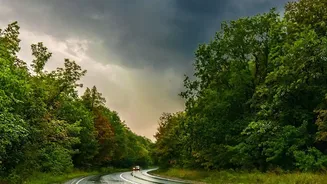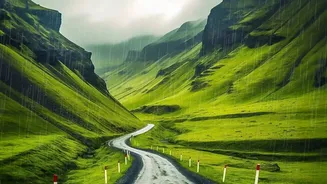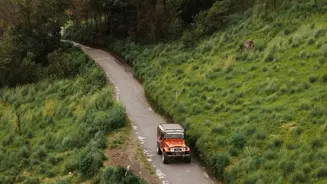





Before You Turn the Key
A successful monsoon ghat drive begins before you even leave Bangalore. Your vehicle is your most crucial partner in this adventure. Ensure your tyres have excellent tread to grip the slippery roads, and check that your brakes are in top condition, as
wet roads increase stopping distances. Don't overlook your wiper blades; you'll be relying on them heavily to cut through torrential downpours. It's also wise to get your battery and fog lights checked. Pack an emergency kit containing a first-aid box, a powerful torch, basic tools, and a puncture repair kit. With patchy mobile networks in the ghats, downloading offline maps is a non-negotiable step.
Choosing Your Route Wisely
There are a couple of popular routes from Bangalore to Agumbe, each with its own character. The route via Hassan, Belur, and Thirthahalli is a common choice. Another option runs through the coffee heartland of Chikmagalur, which is slightly longer but famously picturesque. Regardless of the path, the roads narrow and become more challenging after Thirthahalli as you begin the ascent. During peak monsoons, authorities often issue advisories. For instance, heavy vehicle movement on the Agumbe Ghat (NH-169A) is frequently restricted to prevent road damage and landslides. While this can make the drive smoother for cars, always check for the latest updates on traffic restrictions and road conditions before you start.
The Art of Driving the Ghats
Driving on the Agumbe ghat section, with its numerous hairpin bends, is an exhilarating test of skill. During the monsoon, this requires heightened concentration. The golden rule is to drive slowly and maintain a steady pace. Avoid sudden braking or acceleration, which can cause your vehicle to skid on slick surfaces. Use your horn generously on blind curves to alert oncoming traffic. When climbing steep inclines, stay in a lower gear to ensure your engine has enough power. Experienced drivers suggest staying well within your lane and resisting the temptation to overtake on narrow stretches, especially when visibility is poor.
Battling Rain, Fog, and Slides
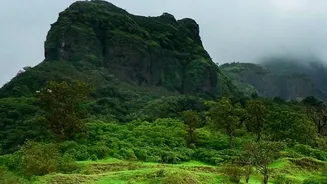
The Western Ghats' monsoon weather is notoriously unpredictable. You can be driving under clear skies one moment and be engulfed in thick fog the next. In such conditions, reduce your speed immediately, turn on your headlights (on low beam, as high beam reflects off the fog), and maintain a safe distance from the vehicle ahead. Heavy rains can also trigger landslides and cause trees to fall, blocking the road. Be vigilant and watch for warning signs like small streams of mud or falling rocks. It is highly advisable to avoid driving through the ghat sections at night when visibility is at its worst and help is harder to come by.
Essentials to Pack
Packing for a monsoon road trip goes beyond just clothes. Carry quick-drying synthetic clothes instead of cotton. A sturdy waterproof jacket is essential. For footwear, choose rubber sandals or waterproof boots with good grip; leave the sneakers and leather shoes at home. Since power cuts can be common, a fully charged power bank is a lifesaver. Food supplies are also important. Pack dry snacks like nuts and energy bars, and carry enough drinking water, as shops and restaurants become sparse once you enter the ghats. An insect repellent is also a good idea for when you step out to enjoy the views.