





A Modern Fight Against an Ancient Foe
For generations, farmers across India have battled the same persistent enemies: pests, fungal infections, and nutrient deficiencies that can wipe out a season's hard work overnight. In agricultural heartlands like Punjab and Maharashtra, identifying the exact
cause of a wilting crop or a spotted leaf has often been a process of guesswork. This uncertainty can lead to the overuse of broad-spectrum pesticides, which not only drives up costs but can also harm soil health and the environment. Late diagnosis often means that by the time a problem is correctly identified, it's already too late, leading to significant yield losses and financial distress.
The Digital Doctor in a Farmer's Pocket
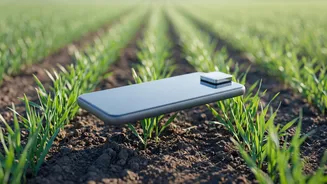
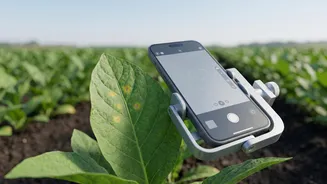
Enter the age of AI-powered agriculture. A new generation of mobile applications is turning smartphones into powerful diagnostic tools. Farmers can now simply take a photo of an affected plant leaf using their phone's camera. The image is uploaded to an application, which uses artificial intelligence to analyze it. Within seconds, the app compares the photo to a massive database containing millions of images of plant diseases, pest damage, and nutrient deficiencies. The result is a quick and accurate diagnosis delivered directly to the farmer's screen.
How AI Provides a Diagnosis
This technology works through a process called deep learning, a form of AI where a system is 'trained' to recognise patterns. Developers feed the AI models hundreds of thousands of images of healthy and diseased plants, labelling each one. The AI learns to identify the specific visual signatures of different problems — the unique spots of early blight on a tomato leaf or the tell-tale signs of leaf curl virus in cotton. The more images it processes, the smarter and more accurate it becomes, with some leading platforms achieving a diagnostic success rate of over 90% for common crop diseases. The apps then provide scientifically vetted recommendations for treatment, often suggesting targeted biological or chemical solutions, which helps reduce the blanket spraying of pesticides.
Real-World Impact in Punjab and Maharashtra
In both Punjab and Maharashtra, state governments and agritech startups are actively promoting these technologies. In Maharashtra, AI platforms like MahaAgri.AI are providing farmers with advisories in Marathi for key crops like sugarcane, cotton, and soybean. Pilot projects have already shown significant improvements, with some trials reporting increased yields and substantial reductions in water and fertilizer usage. In Punjab, the government is collaborating with institutions like IIT Ropar to create AI-based solutions for crop advisories, yield estimation, and even farmer chatbots to answer queries in local languages. These tools empower farmers to make data-driven decisions, shifting from reactive remedies to proactive crop management.
More Than Just a Disease Detector
The capabilities of these agricultural apps extend far beyond just identifying diseases. Many serve as comprehensive farming companions. They integrate real-time weather forecasts, allowing farmers to prepare for extreme events. Some provide up-to-date market price information, helping farmers decide the best time to sell their produce and avoid exploitation by intermediaries. Furthermore, these platforms often include a community feature where farmers can connect with each other and with agricultural experts to discuss problems and share knowledge. By offering a suite of tools on a single platform, these apps are closing the information gap that has long held back smallholder farmers.