

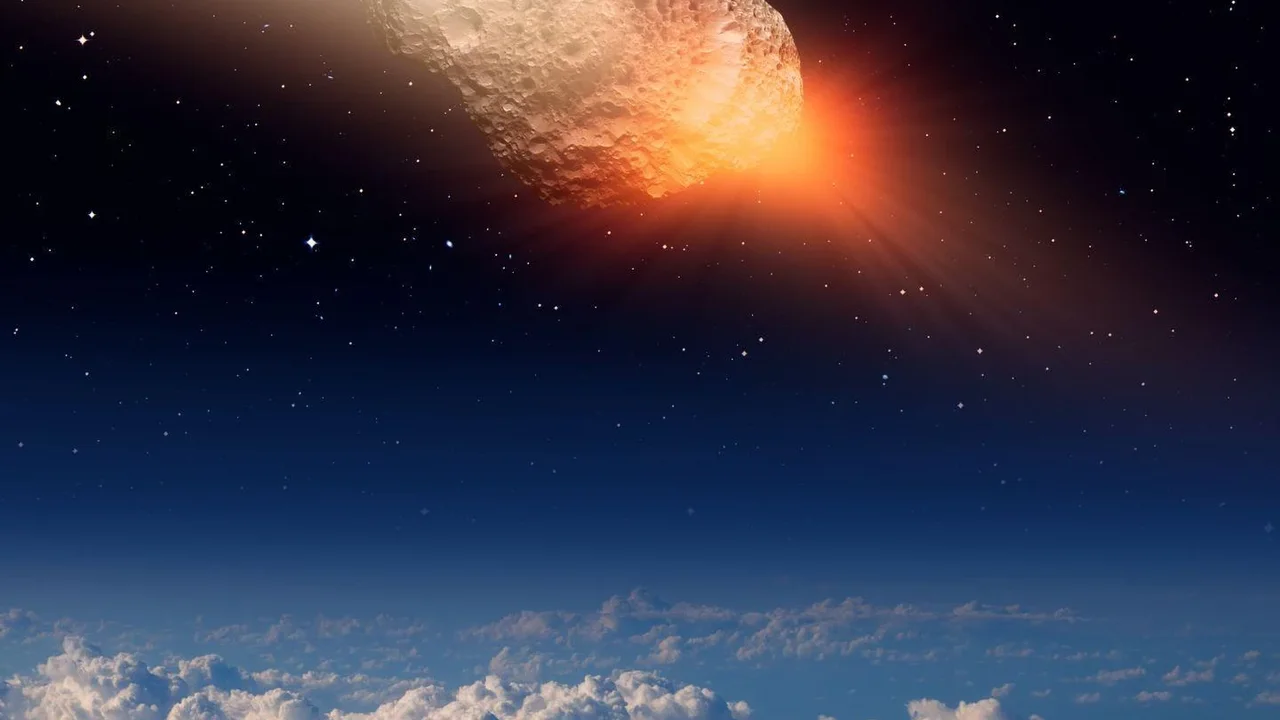

A Gift from Halley's Comet
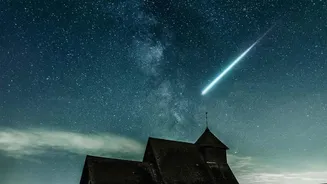
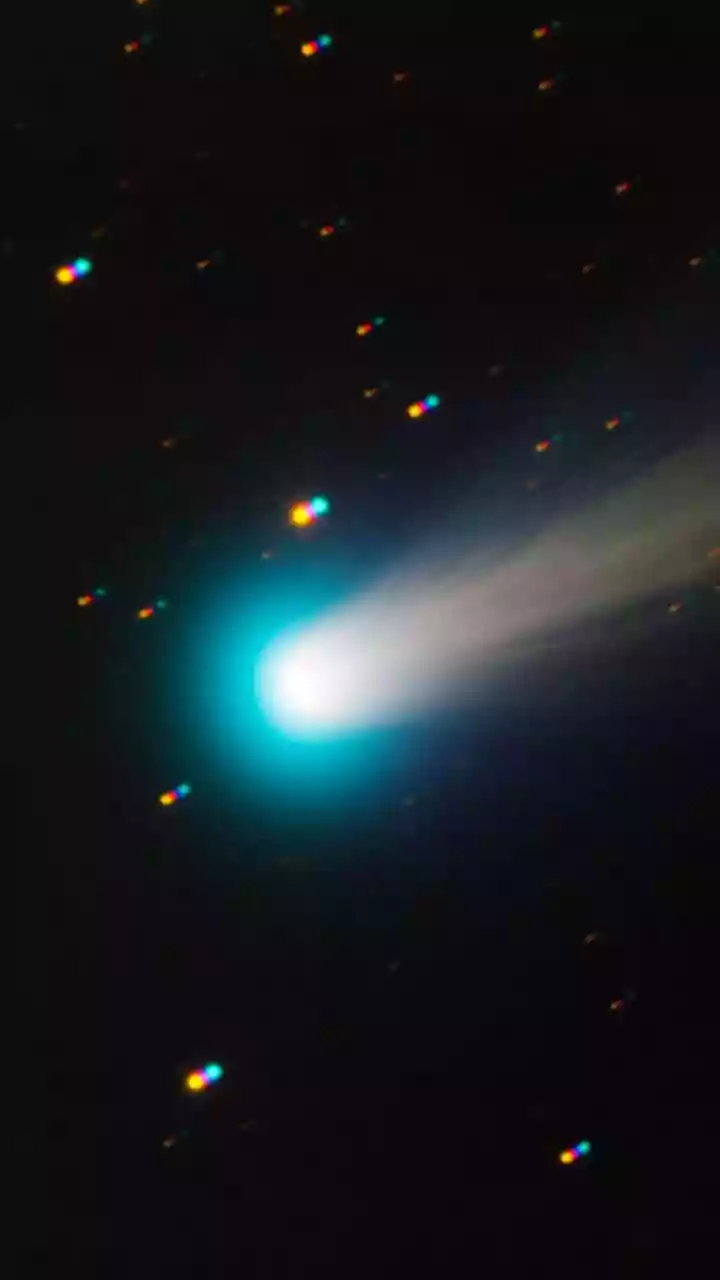
The Orionid meteor shower is one of the most reliable and beautiful displays of the year, active from early October to early November. These 'shooting stars' are not stars at all, but tiny fragments of ice and rock shed by the famous 1P/Halley, better
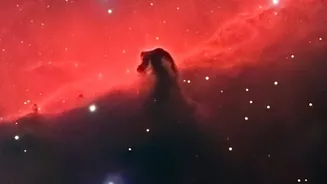
known as Halley's Comet. As Earth orbits the sun, it passes through this stream of debris. The particles, some no bigger than a grain of sand, enter our atmosphere at tremendous speeds—around 66 kilometres per second—and burn up, creating brilliant streaks of light. The shower gets its name because the meteors appear to radiate from a point within the constellation of Orion the Hunter, which makes for a stunning celestial backdrop.
The Double Glare Problem
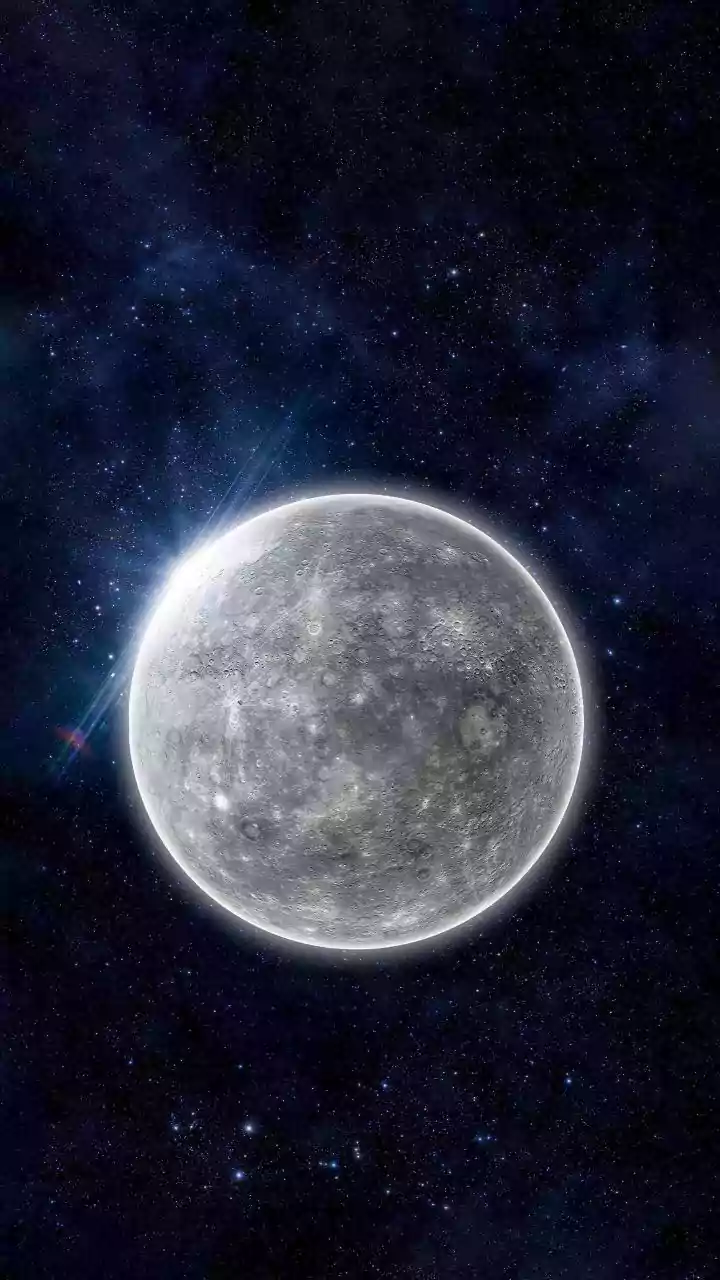
For 2026, would-be observers face a two-front war against unwanted light. The first opponent is the Moon. During the shower's peak on the night of October 21-22, the Moon will be in its waxing gibbous phase, around 77-80% illuminated. This means a very bright Moon will dominate the sky for much of the night, its glare washing out all but the brightest meteors. Compounding this is the ever-present issue of urban light pollution. The collective glow from cities, or 'sky-glow', creates a luminous dome that can obscure celestial events for kilometres around. When the bright light of a near-full moon combines with the pervasive glow of a city, even a moderately active meteor shower like the Orionids can become nearly invisible.
Your Window of Opportunity
While the conditions are challenging, all hope is not lost. The peak activity for the Orionids in 2026 is expected in the pre-dawn hours of October 21 and 22. The key is a small window of darkness that opens up late in the night. The bright Moon is expected to set a few hours before dawn. This means the best time to watch will be between moonset and the beginning of morning twilight. This short period offers the darkest sky possible under the circumstances, giving you the best shot at spotting the fast-moving Orionids. Under ideal dark-sky conditions, the shower can produce about 15 to 20 meteors per hour at its peak, so patience will be crucial.
A Game Plan for Success
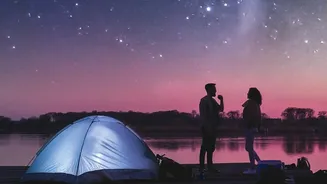
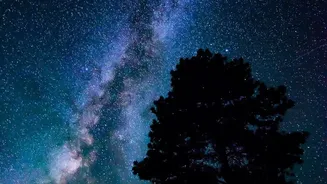
To maximise your chances, you need a solid plan. First and foremost, get as far away from city lights as you can. A drive to a rural location, a national park, or a designated dark-sky spot will make a monumental difference. Sites like Kausani, Coorg, or areas near Jim Corbett National Park are known for their dark skies. Second, you don't need any special equipment; your eyes are the best tools for the job since meteors can appear anywhere in the sky. Arrive early and let your eyes adapt to the darkness for at least 20-30 minutes—this means no looking at your phone. Finally, get comfortable. Lie back on a blanket or reclining chair, look up, and be patient. The show is best viewed in the hours after midnight, when the constellation Orion is high in the sky.