



A Realistic Look at Plants as Purifiers
Before turning your flat into a jungle, it's important to have realistic expectations. The famous 1989 NASA Clean Air Study showed that certain plants could remove volatile organic compounds (VOCs) like formaldehyde and benzene from sealed chambers. In
a real-world apartment with normal ventilation, the effect is more modest. While you'd need hundreds of plants to equal an electric air purifier, they do contribute significantly to a healthier indoor space. Some studies suggest that a collection of plants can help reduce particulate matter like PM2.5 and PM10 over time. They also boost humidity, which can be beneficial in dry, air-conditioned rooms, and their presence is known to reduce stress.
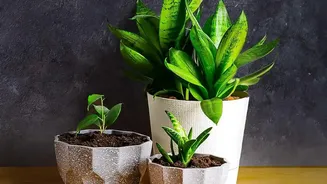
Snake Plant (Sansevieria trifasciata)
Often called 'mother-in-law's tongue', the snake plant is nearly indestructible, making it perfect for beginners and busy professionals. It's one of the most forgiving houseplants, tolerating low light and infrequent watering. This makes it ideal for a dim corner or a bedroom in a compact apartment. A key benefit is its ability to perform Crassulacean acid metabolism (CAM), which allows it to release oxygen at night, unlike most other plants. It is effective at filtering common household toxins like formaldehyde and benzene.
Money Plant (Epipremnum aureum)
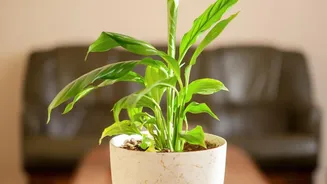
The Money Plant, or Pothos, is a common sight in Indian homes for a reason. It's incredibly easy to grow, thrives on neglect, and its trailing vines look beautiful on shelves or in hanging baskets, saving precious floor space. This plant is a powerhouse at removing indoor pollutants, particularly formaldehyde, which can be found in furniture and cleaning products. It's very adaptable and can survive in low-light conditions, although its variegation might fade. Simply place a cutting in a bottle of water, and it will happily root, making it easy to propagate and share.
Areca Palm (Dypsis lutescens)
If you have a bit more space and a bright, indirectly lit corner, the Areca Palm is an excellent choice. Its lush, feathery fronds bring a tropical feel to any room. It’s known for being one of the most efficient air-purifying plants identified by NASA's study. Beyond filtering toxins, it is also a fantastic natural humidifier, releasing moisture into the air, which can counteract the drying effects of air conditioning. Keep its soil consistently moist but not waterlogged to ensure it thrives.
Peace Lily (Spathiphyllum)
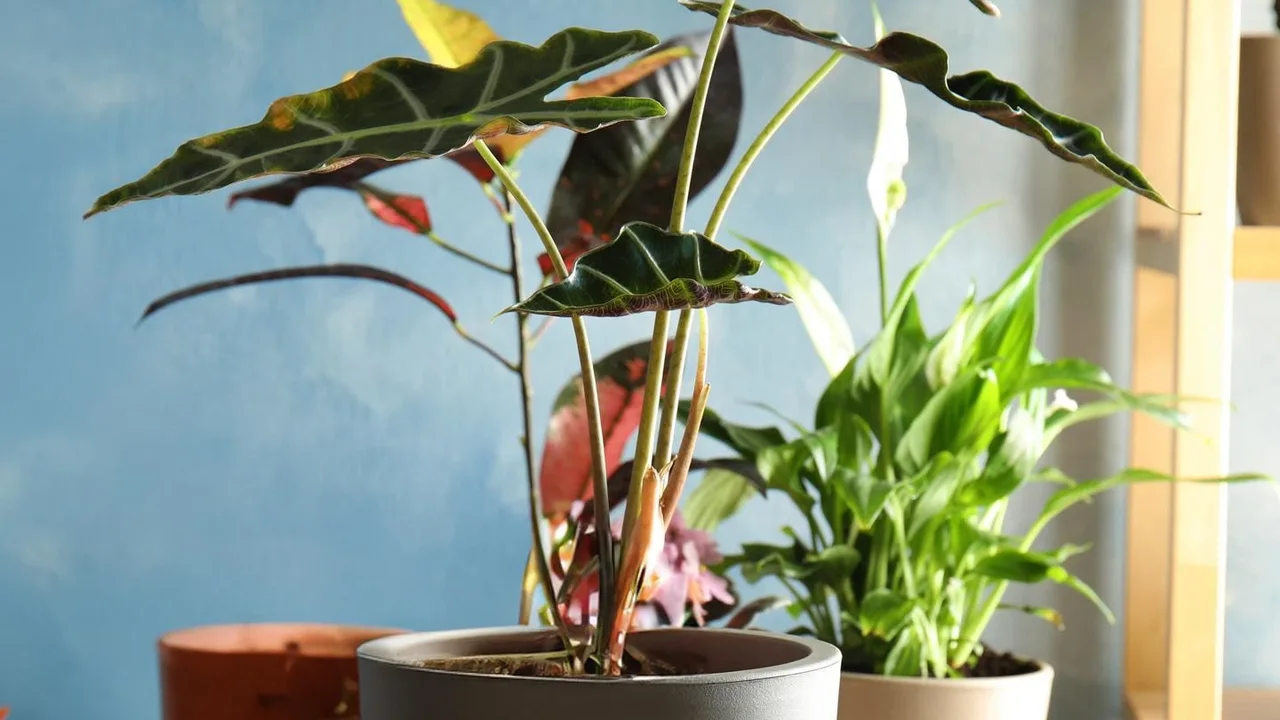
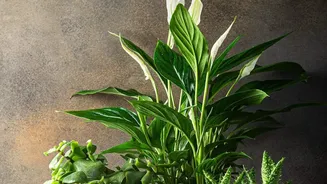
The Peace Lily is beloved for its elegant, dark green leaves and beautiful white blooms that can appear even in lower light conditions. It is exceptional at removing pollutants, including ammonia, a common component of cleaning products. The Peace Lily has a helpful habit of 'telling' you when it needs water; its leaves will droop noticeably. This makes it a great communicative plant for those still to read plant cues. Just be mindful that it is mildly toxic if ingested, so it's best to keep it away from curious pets and children.
Spider Plant (Chlorophytum comosum)
The Spider Plant is a resilient and fast-growing option that is fantastic for air purification. It's particularly effective at filtering formaldehyde and xylene. Its arching leaves and the 'spiderettes' (baby plants) that dangle from the mother plant make it visually interesting. These plantlets can be easily repotted to create new plants. Spider plants are non-toxic and adaptable, making them a safe and easy choice for any room in your apartment.