





The Essential Paw-Cleaning Station
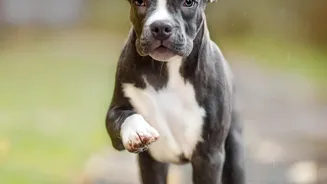
The single most important routine to establish during the monsoon is post-walk paw cleaning. Muddy paws don't just stain your floors; they are carriers for bacteria and irritants that can cause infections when trapped between paw pads. Set up a designated
cleaning station at your entrance. Keep absorbent mats, a towel, and a bowl of lukewarm water ready. After every single walk, gently wash your pet's paws, making sure to clean between the toes. For extra hygiene, you can use a vet-approved antiseptic solution. The most crucial step is drying them completely, as lingering moisture is the primary cause of fungal infections. Trimming the fur around the paws can also significantly reduce how much mud gets trapped in the first place.
Master the Post-Walk Dry-Off
A damp coat is a breeding ground for bacteria and fungi, which thrive in India's humid monsoon weather. This can lead to nasty skin infections, hot spots, and a persistent musty smell. Simply towel-drying the surface isn't enough, especially for long-haired breeds. Use a highly absorbent microfibre towel to soak up as much water as possible. Pay special attention to the underbelly, armpits, and ear folds, as these areas trap the most moisture. For a thorough dry, you can use a hairdryer on a low-heat, low-speed setting, ensuring you keep it moving to avoid irritating your pet's skin. A dry pet is a healthy pet, and this step is non-negotiable for preventing skin issues.
Rethink Bathing and Grooming
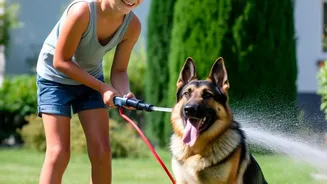
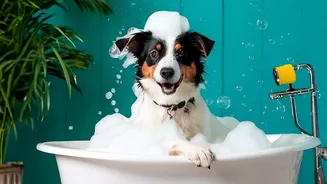
It might seem logical to bathe your pet more often during the monsoon, but the opposite is true. Over-bathing strips the skin of its natural oils, which act as a protective barrier against infections. Veterinarians generally recommend bathing your dog only once every two to three weeks during the rainy season. Instead, focus on daily brushing. Regular brushing removes dirt, prevents tangles that trap moisture, and improves air circulation to the skin. For in-between cleans, consider using pet-friendly wet wipes or a vet-approved dry shampoo. When you do bathe them, using an antifungal shampoo can provide an extra layer of protection.
Step Up Your Pest Defence
The warm, humid conditions of the monsoon are a paradise for ticks and fleas, and infestations peak during this time. These parasites aren't just an itchy nuisance; they can transmit serious diseases. It is crucial to be diligent with your pet’s tick and flea prevention schedule as advised by your veterinarian. Conduct daily checks, especially after your pet has been outdoors. Run your fingers through their coat, feeling for any small bumps. Pay close attention to the areas around the ears, neck, between the toes, and under the tail. Keeping your home clean by regularly vacuuming carpets and washing pet bedding also helps eliminate any pests that may have been brought inside.
Keep Their Environment Clean and Dry
A clean pet needs a clean home. During the monsoon, this requires some extra effort. Wash your pet's bedding more frequently—at least once a week—in hot water and ensure it is completely dry before they use it again, as damp bedding is a major source of skin irritations. Keep their food and water bowls clean to prevent contamination. Since pets spend more time indoors, provide indoor activities and toys to keep them mentally stimulated. To combat the musty monsoon smell, keep your home well-ventilated by opening windows when it's not raining and using exhaust fans. An air purifier can also help manage pet dander and odours. Finally, provide only boiled or filtered drinking water, as water sources can get contaminated during this season.