





From Packed to Plush
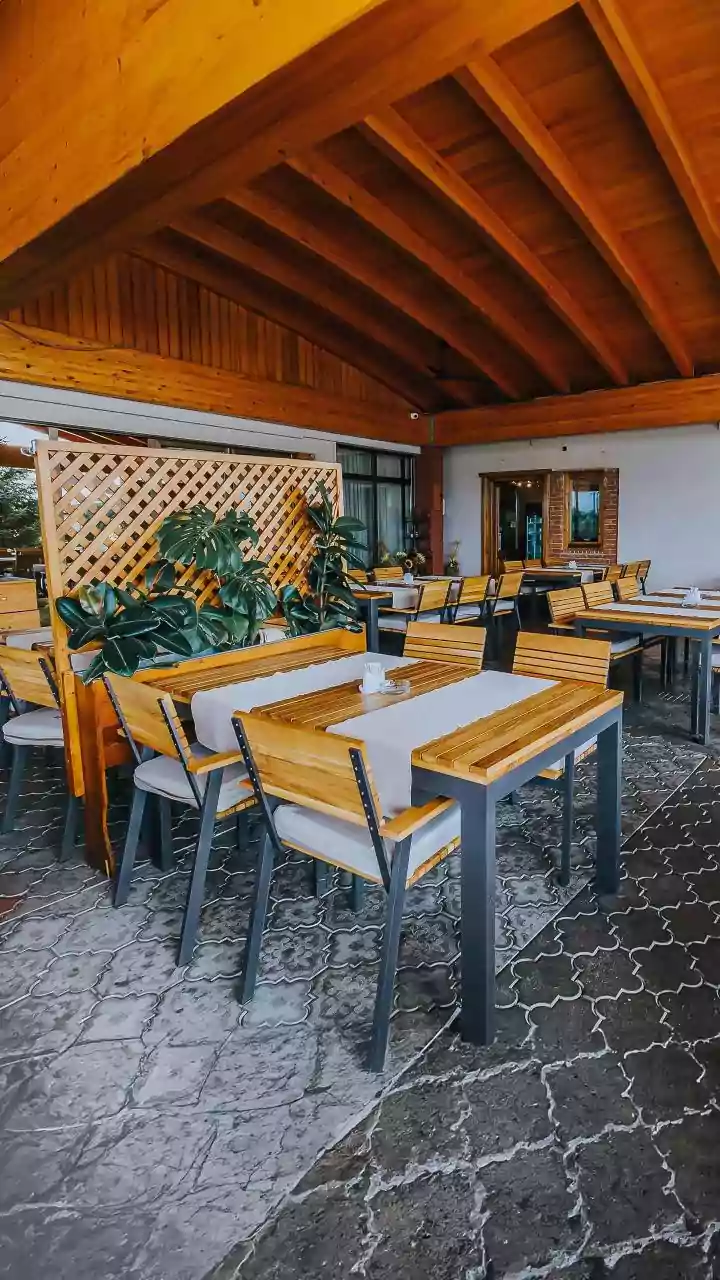
For years, the mantra for many restaurants in the bustling National Capital Region was simple: maximise capacity. This often meant tables positioned uncomfortably close, rigid chairs designed for quick turnover, and a general disregard for personal space.
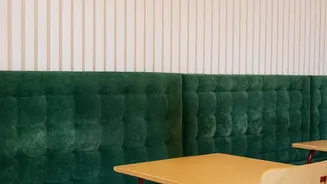
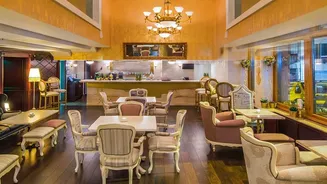
But a new philosophy is taking root, prioritising the quality of the dining experience over the sheer quantity of customers. A growing number of restaurateurs are now investing in layouts that invite patrons to linger. This move away from purely functional furniture to more comfortable options like upholstered chairs, plush sofas, and spacious booths signals a change in what we value when we dine out. It’s no longer just about the food on the plate; it’s about the entire environment.
The Post-Pandemic Effect on Personal Space
The COVID-19 pandemic reshaped our relationship with public spaces. Social distancing norms made us acutely aware of our proximity to others, and that heightened consciousness has lingered. Diners now have a lower tolerance for being crammed elbow-to-elbow with strangers. Architects and designers note that what began as a safety measure—spacing out tables and creating physical barriers—has evolved into a new standard for comfort and privacy. Many restaurants are retaining wider aisles and exploring flexible layouts that offer a sense of security and personal space, a feature that diners have come to appreciate and expect.
What 'Inclusive' Seating Looks Like
This trend extends beyond simple comfort to embrace a more inclusive vision of hospitality. An inclusive layout acknowledges that diners are not a homogenous group. It caters to different needs by offering a variety of seating options. This includes spacious booths that are perfect for families with small children or groups seeking a semi-private experience. It also means providing seating that is accessible to people of all body types and physical abilities. Wider pathways accommodate wheelchairs and strollers with ease, while a mix of seating types—from firm, upright chairs to lower lounge seating—allows patrons to choose what works best for them. Some establishments are even incorporating communal tables that foster a sense of community for solo diners or larger, informal groups.
The Business of Being Comfortable
While creating a more welcoming atmosphere is a noble goal, there is also a strong business case for investing in better seating. Hospitality experts have found that comfortable customers are happy customers. When diners feel relaxed and unhurried, they tend to stay longer, which often translates to ordering more drinks, appetisers, or desserts. A positive and comfortable experience is also a key driver of repeat business and positive word-of-mouth recommendations. In an age where a single social media post can influence hundreds of potential customers, creating an 'Instagrammable' yet comfortable corner is a savvy marketing move. Ultimately, investing in the diner's physical comfort is an investment in the restaurant's long-term success.
A Sign of Deeper Social Shifts
The move towards more considerate seating arrangements is a reflection of broader social changes. There is a growing awareness around issues of accessibility and body positivity, and the hospitality industry is beginning to respond. By designing spaces that accommodate a wider range of people, restaurants are sending a powerful message of welcome. This shift acknowledges that true hospitality means creating an environment where everyone feels respected and catered for, not just tolerated. The focus is shifting from a one-size-fits-all model to a more customisable and human-centric approach that values the diversity of its clientele.