





1. The Air Gets a Signature Scent
The first sign of the monsoon isn't always the clouds; it’s the smell. That earthy, sweet, and unmistakable scent that hangs in the air after the first summer rain has a name: petrichor. In the Southwest, this effect is amplified by the creosote bush,
one of the desert’s most dominant plants. The waxy coating on its leaves traps aromatic compounds that, when hit by rain, release a fragrance that is the very essence of a desert storm. It’s a clean, resinous aroma that signals the entire ecosystem is about to spring to life. For residents and visitors, this scent is more than just pleasant—it’s a deeply nostalgic trigger, a sign of relief, renewal, and the dramatic show that's about to unfold.
2. The Ground Bursts Open with Life
It sounds like something from a science fiction film: creatures that spend most of the year buried alive, waiting for a signal. Meet the spadefoot toad. These amphibians entomb themselves deep in the dry soil, entering a state of suspended animation for up to 10 months. The low-frequency sound of thunder and the vibration of falling rain are their wakeup call. Within hours of a downpour, they dig their way to the surface for a frantic, short-lived frenzy of mating and feeding in the temporary ponds, or charcos, that form. Their tadpoles must then develop at a blistering pace—sometimes going from egg to toadlet in just over a week—before their watery world evaporates back into the dry desert air.
3. Waterfalls Appear in the Wasteland
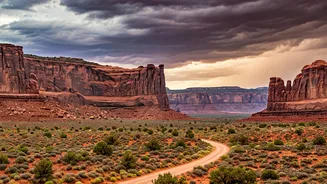
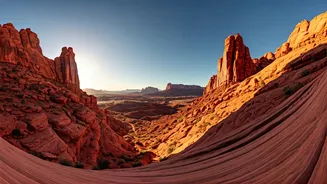
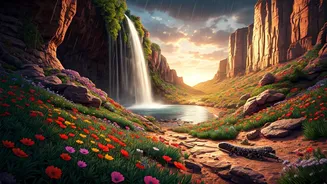
The iconic red rock canyons and sheer cliffs of places like Zion, Sedona, or the Grand Canyon are magnificent when dry, but they become entirely different landscapes during a monsoon storm. As intense rain falls on the hard, non-porous rock and baked earth, the water has nowhere to go but down. It quickly gathers into torrents that cascade over ledges, creating hundreds of temporary waterfalls. These ephemeral falls, known as “pothole pour-overs,” can appear and disappear within hours. They transform stark, silent rock faces into dynamic, roaring water features, carving new patterns into the stone and creating a stunning visual and auditory spectacle that few get to witness.
4. The Desert Floor Becomes a Wildflower Carpet
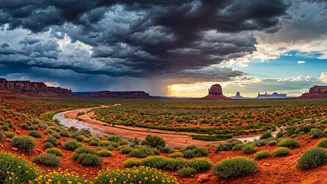
While spring gets all the attention for its “superblooms,” the monsoon season hosts its own rapid, vibrant floral explosion. The seeds of countless desert plants lie dormant in the soil, waiting for the precise combination of heat and moisture that only summer rains provide. Almost overnight, the muted tans and browns of the desert floor are punctuated by brilliant bursts of color. Yellow desert marigolds, purple devil’s claw, and the striking white blooms of the sacred datura (also called moonflower) spring up along roadsides and in washes. Unlike the slow unfurling of spring, this is a superbloom in fast-forward, a desperate and beautiful race to flower and seed before the moisture is gone.
5. Dry Creek Beds Turn into Raging Rivers
The deep, sandy ditches that crisscross the Southwest are known as arroyos or washes. For most of an arroyo’s existence, it's nothing more than a dry, lifeless trench. But during a monsoon, it becomes one of the most dangerous and dramatic features of the landscape. Rain falling miles away in the mountains can funnel into these channels, creating a sudden, powerful flash flood that moves with terrifying speed and force. While hazardous, this process is vital. These temporary rivers are the desert’s circulatory system, rearranging the landscape, depositing rich sediment, and dispersing seeds for miles. They are a raw display of the monsoon's power to both create and destroy.
6. The Sky Puts on a Dazzling Electrical Show
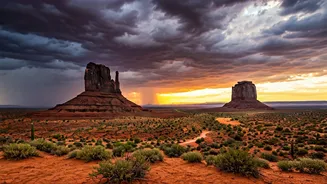
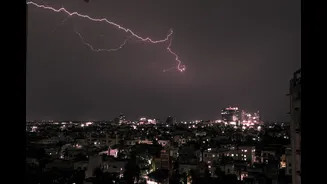
The monsoon doesn’t just bring rain; it brings some of the most spectacular lightning shows in the country. As the hot, moist air rises and collides with cooler, drier air, it creates immense atmospheric instability. The result is towering cumulonimbus clouds that crackle with energy. Far from city lights, the sky becomes a theater for brilliant displays of cloud-to-ground strikes and intricate spider lightning that crawls across the horizon. It’s a powerful, humbling reminder of the raw energy driving this seasonal transformation, painting the iconic mesas and saguaros in dramatic, split-second silhouettes.