



Redefining 'Low Light'
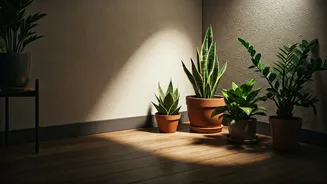
The first step to smarter placement is understanding what "low light" truly means. It isn’t a synonym for “no light.” A plant in a windowless bathroom will not survive. Low light generally refers to a spot that receives no direct sunlight. Think of a corner
several feet away from a window, a room with only a north-facing window, or a space where the view of the sky is obstructed. A good rule of thumb is if you can comfortably read a book in that spot during the day without additional lighting, it likely qualifies as low light for a tolerant plant. These plants have adapted to survive with less energy, often resulting in slower growth and less frequent watering needs.
Become a Light Detective
Before you move a single pot, take a day to observe the light in your home. Our eyes are unreliable judges because they adjust to brightness. Notice how the light changes from morning to afternoon. A spot that seems dim in the morning might get a blast of intense western sun later on. Window direction is a key clue: north-facing windows offer the least intense light, making them ideal for many low-light species. East-facing windows provide gentle morning sun, while south and west windows deliver much stronger light. The distance from the window also dramatically changes light intensity; light levels drop significantly with every foot you move away from the source.
Strategic Placement Zones
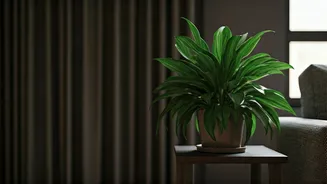
Once you've mapped your light, you can think in terms of zones. A spot three to five feet from an east-facing window offers medium, indirect light, perfect for many tropicals. A location ten feet or more from a bright south-facing window can be considered a low-light zone. Don't forget about height. A trailing Pothos on a high shelf might receive significantly less light than a plant on a table directly below it. Also consider obstructions like curtains, furniture, or even other plants, which can create pockets of deeper shade. The goal is to match the plant's needs not just to the room, but to the specific microclimate within that room.
The Right Plant in the Right Spot
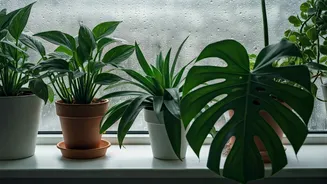
Not all low-light plants are created equal. Some, like the ZZ Plant (Zamioculcas zamiifolia) and Snake Plant (Dracaena trifasciata), are exceptionally tolerant of dim conditions and infrequent watering, making them perfect for beginners or corners far from a window. The Peace Lily (Spathiphyllum) can handle lower light but will likely only produce its signature white flowers when it gets brighter, indirect light. A Heartleaf Philodendron will happily trail from a bookshelf in a medium-to-low light area, but its leaves may become smaller in very dim conditions. For variegated plants, be aware that their beautiful patterns might fade to solid green if the light is too low, as the plant produces more chlorophyll to compensate.
Recognizing the Warning Signs
How do you know if your placement is wrong? Your plants will tell you. One of the most common signs of insufficient light is "leggy" growth, where stems become long and stretched with large gaps between the leaves. Another sign is the plant physically leaning or reaching towards the nearest light source. If new leaves are noticeably smaller than older ones, or if the soil stays wet for a very long time after watering, your plant is likely struggling for energy due to a lack of light. If you see these signs, it's time to move the plant to a brighter location.