

Swap Refined Grains for Whole Grains
One of the most impactful changes you can make is moving from refined grains to whole grains. Refined flour (maida) and white rice have been stripped of their most nutritious parts—the bran and germ. Whole grains, however, retain these components, making
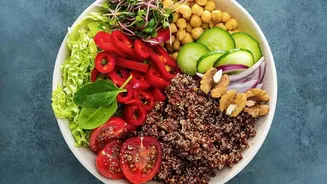
them rich sources of fibre, protein, vitamins, and minerals. This simple switch helps improve digestion, keeps you feeling full for longer, and can aid in weight management. Actionable Swap: Instead of maida, use whole wheat atta for chapatis and parathas. Swap white rice with brown rice, or better yet, introduce traditional Indian millets like jowar, bajra, and ragi into your diet. These can be used to make rotis, khichdi, and even dosas, adding nutritional diversity to your meals.
Upgrade Your Cooking Oils
The type of oil you use for tadkas, curries, and frying plays a big role in the health profile of your food. While many refined oils are popular, they often lack the benefits of less processed alternatives. Healthier fats are crucial for heart health and nutrient absorption. Actionable Swap: Incorporate a variety of cold-pressed oils into your cooking rotation. Mustard oil, rich in healthy fats, is excellent for North Indian cooking. Groundnut oil and sesame oil are also great options for different regional cuisines. While ghee (clarified butter) is a healthy fat, it should be used in moderation. Limiting refined vegetable oils and opting for these traditional fats can make a significant difference.
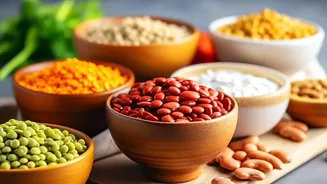
Diversify Your Dals and Legumes
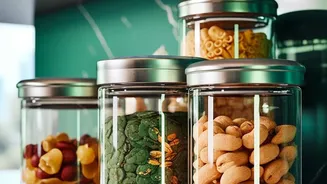
The Indian diet is wonderfully rich in dals and legumes, which are fantastic sources of plant-based protein and fibre. However, it's easy to fall into a routine of using only one or two varieties, like toor or moong dal. Expanding the types of pulses you use is a simple way to get a wider array of nutrients. Actionable Swap: Make it a point to stock a wider variety of lentils and legumes. Include rajma (kidney beans), chana (chickpeas), masoor (red lentils), and horse gram in your weekly meal plan. Each offers a unique nutritional profile. Fermented preparations like idli and dosa, made from rice and lentils, are also excellent for gut health.
Get Smart with Sweeteners
Refined sugar is a major contributor to various health issues. Indian cuisine, especially its sweets and beverages, often relies heavily on it. Reducing sugar intake is key to a more balanced diet. Actionable Swap: Replace white sugar with more natural, unrefined alternatives, but remember to use them sparingly. Jaggery (gur) is a traditional sweetener that contains more minerals like iron than refined sugar. Dates, date syrup, and coconut sugar are other excellent choices for sweetening mithai, kheer, or your daily chai. These options often have a lower glycemic impact and come with added nutrients.
Rethink Your Snack Shelf
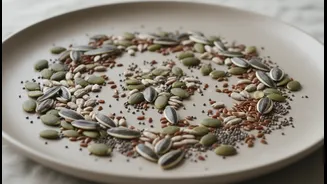
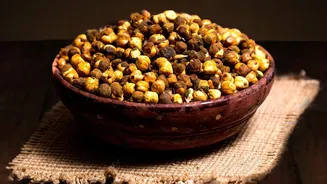
Mid-day cravings often lead us to packaged, processed snacks that are high in sodium, unhealthy fats, and empty calories. Your pantry's snack section is a prime area for a healthy makeover. Actionable Swap: Replace fried snacks and biscuits with healthier, whole-food options. Stock up on nuts like almonds and walnuts, seeds like flax and pumpkin, and roasted makhana (fox nuts). Roasted chana is another excellent high-protein, high-fibre snack. Creating your own trail mix with these ingredients gives you a quick, energising, and nutritious option when hunger strikes.