



The Science of a Sudden Slip
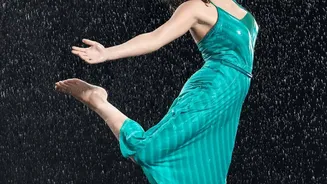
We walk through our homes on autopilot, our brains not actively scanning for danger. This is why a wet floor is so treacherous. The danger isn't just the water itself, but the physics it creates. A thin layer of liquid acts as a lubricant, drastically
reducing the friction between your foot or footwear and the floor. This can cause your foot to slide out from under you with surprising speed. Your body's natural reaction is to try and correct its balance, but the suddenness of the slip often means you fall backward, increasing the risk of injuries to the head, back, or hips. The force required to maintain balance is much lower on a wet surface, meaning even a normal walking pace can be too fast to prevent a fall.
High-Risk Zones in Every Indian Home
Certain areas of the home are notorious hotspots for slips and falls. The bathroom is perhaps the most obvious culprit, with water from showers and wet hands making tiled surfaces slick. Kitchens are another major risk zone, thanks to cooking spills, washing dishes, or recently mopped floors. In India, smooth flooring like marble or polished tile, while beautiful and easy to clean, becomes exceptionally slippery when wet. During monsoon season, water tracked in from outside can make entryways and living areas just as hazardous. Studies show that a significant number of domestic accidents are falls, often occurring in these very spaces.
More Than Just a Minor Tumble
A slip on a wet floor can result in far more than a moment of embarrassment and a simple bruise. The injuries can be severe and life-altering. Common consequences include soft tissue injuries like sprains and torn ligaments. More serious are the fractures, with the wrist and arm often breaking as a person instinctively tries to catch themselves. Hip fractures are a particularly devastating injury, especially for older adults, who are more vulnerable due to decreased bone density. Head injuries, ranging from concussions to traumatic brain injuries, are also a serious concern when a person is unable to break their fall. The elderly and young children are at the highest risk for severe outcomes from such falls.
Practical Steps for a Safer Floor
The good news is that most of these accidents are preventable with a few simple, conscious changes. The most important rule is to clean up spills immediately. Place high-quality, non-slip mats in critical areas like outside the shower, in front of the kitchen sink, and at all entryways. When mopping floors, do one half of a room or hallway at a time, leaving a dry path for people to walk on. Wearing appropriate footwear indoors, such as slippers with a good grip, can provide much-needed traction. When building or renovating, consider using tiles with a rougher, anti-skid surface, especially in bathrooms and kitchens. Simple additions like grab bars in the bathroom can provide crucial support.
Cultivating a Mindset of Awareness
Beyond physical safeguards, a change in mindset is crucial. The primary reason we fall in familiar places is a lack of attention. When you know a floor is wet—after cleaning, during rainy weather, or after someone has showered—make a conscious effort to slow down. Take smaller, more deliberate steps with your feet pointed slightly outward to create a more stable base. Avoid distractions like looking at your phone while walking through potentially wet areas. Studies show that when people anticipate a slippery surface, they automatically adjust their gait to be safer, reducing the forward slipping distance and velocity if a slip does occur. By being fully present, you give your body the best chance to navigate the environment safely.