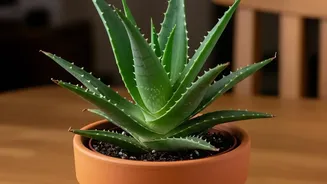



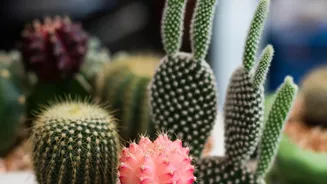
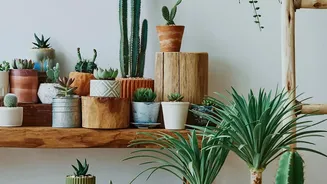
Desert plants bring beautiful, structural forms to our homes, but their biggest enemy is often a well-meaning owner with a watering can. The secret to success isn't a schedule, but learning to read the soil before you pour.
Why Dry Soil Is a Desert Plant's Best Friend
Cacti and succulents are built
for survival in arid climates. Their leaves, stems, and roots are designed to store water, allowing them to endure long periods of drought. Unlike tropical houseplants, their roots are not adapted to sit in constantly moist conditions. When soil stays wet for too long, it cuts off oxygen, which can lead to root rot—the primary cause of death for these hardy plants. Allowing the soil to dry out completely between waterings mimics the natural 'drench and drought' cycle these plants evolved with, promoting healthy root growth and preventing deadly rot.
How to Check If Your Plant Is Thirsty
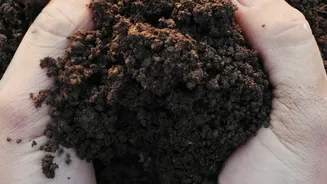
Forgetting a fixed schedule is the first step; checking the soil is the most important one. There are several reliable ways to know when it's time to water. The most common method is the finger test: insert your finger about two inches into the soil. If it feels cool or damp, or if soil sticks to your finger, wait a few more days. If it feels completely dry, it's time to water. For deeper pots, a wooden skewer or chopstick works well. Push it to the bottom of the pot and leave it for a few minutes. If it comes out clean and dry, the soil is ready for a soak. Another simple trick is to feel the weight of the pot. A pot with dry soil will feel significantly lighter than one that is still holding moisture.
The Correct Watering Technique: Drench and Drain
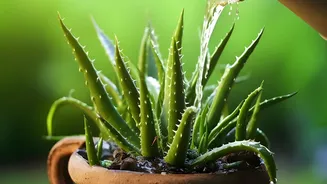
When the soil is confirmed to be bone dry, it’s time to water thoroughly. The best practice is the 'drench and drain' method. Pour water evenly over the soil surface until it flows freely from the drainage holes at the bottom of the pot. This ensures the entire root ball is saturated, encouraging roots to grow deep rather than staying near the surface. After drenching, it is crucial to let all excess water drain away completely. Never let your plant sit in a saucer full of water, as this recreates the soggy conditions that cause root rot. A pot without drainage holes is a major risk for desert plants.
An Alternative Method: Bottom Watering
Bottom watering is another excellent technique, especially for smaller pots or plants with foliage you want to keep dry. To do this, place the pot in a shallow tray or sink filled with a few inches of water. Let the plant sit for 15-30 minutes, allowing the soil to absorb moisture up through the drainage holes via capillary action. You'll know it's done when the top of the soil becomes visibly moist. Afterward, remove the pot from the tray and let it drain completely. This method ensures a deep, even soak and encourages strong root development.
Reading the Signs: Overwatering vs. Underwatering
Sometimes plants will show physical signs of stress. It's important to know the difference between too much and too little water. Overwatered plants often have soft, mushy, and sometimes translucent or yellowing leaves. The stem base might feel soft or turn black. In contrast, an underwatered succulent will have wrinkled, shriveling, or puckered leaves as it begins to draw on its internal water stores. The good news is that an underwatered plant usually perks up quickly after a good soak, while an overwatered plant is much harder to save. When in doubt, it is always safer to wait a few more days before watering.