






The Living World Beneath Your Feet
Your garden soil is more than just dirt; it's a teeming, microscopic metropolis. A single spoonful of healthy soil contains billions of beneficial microbes, including bacteria, fungi, and other organisms. This bustling community, known as the soil food
web, is the engine of your garden. These microbes break down organic matter into essential nutrients that plants can absorb, protect roots from disease, and create a loose, airy structure that allows water and oxygen to penetrate. Without a thriving microbial population, soil becomes lifeless and compact, and plants struggle to get the nutrition they need.
How Heavy Rains Wreak Havoc
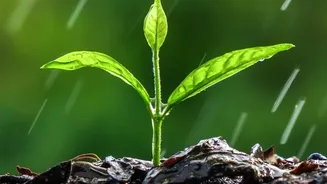
Intense rainfall damages this delicate ecosystem in three main ways. First, it leads to waterlogging. When soil is saturated for more than 24-48 hours, the air pockets that aerobic (oxygen-dependent) microbes need to breathe fill with water. This creates an anaerobic environment where beneficial organisms die off, while potentially harmful anaerobic microbes can flourish, sometimes giving the soil a sour smell. Second, the physical force of raindrops on bare ground causes soil erosion, washing away the precious, microbe-rich topsoil. Finally, as excess water drains through the soil, it leaches away soluble nutrients, effectively starving the microbial life that depends on them.
Signs of a Struggling Soil Microbiome
After a period of heavy rain, look for tell-tale signs of trouble. The soil may appear compacted and dense, and puddles might linger on the surface long after the rain has stopped. Plants may look yellowed or stunted, a sign of nutrient deficiency because the microbial nutrient-cyclers are gone. In severe cases of waterlogging, you might notice a foul or swampy odour, indicating that anaerobic bacteria have taken over. These are all signals that the underground ecosystem that supports your garden is in distress and needs intervention.
The Ultimate Revival Tool: Compost
The single most effective way to revive depleted soil is to add compost. Compost is not just a fertilizer; it's a soil conditioner packed with life. It inoculates the soil with a diverse population of beneficial microbes, replenishing what the rain washed away. It also provides a rich source of organic matter, which serves as food for these microbes, helping them multiply and rebuild the ecosystem. Furthermore, compost improves soil structure, creating the spongy texture that helps it hold water without becoming waterlogged and resist future erosion. For urban gardeners, especially those using raised beds or containers, mixing in high-quality compost is the foundational step to recovery.
Protect and Preserve with Mulch
Once you've added compost, protect your investment with a layer of mulch. Mulch acts like a protective blanket on the soil surface. It cushions the impact of heavy raindrops, preventing erosion and compaction. It also helps regulate soil moisture by slowing evaporation and preventing the soil from becoming overly saturated. As organic mulches like wood chips, straw, or shredded leaves break down, they provide a slow-release food source for the microbes below, contributing to long-term soil health. Applying a 2- to 3-inch layer of mulch is a simple, powerful way to shield your soil from the elements.
Rethink Your Digging and Planting
To help the microbial network recover, minimize soil disturbance. Excessive tilling or digging breaks up the delicate fungal hyphae and disrupts the very structure you are trying to rebuild. Instead of turning over the whole bed, add compost and amendments to the top layer. You can also employ smart planting strategies. Planting cover crops like clover or mustard between seasons keeps the soil covered and feeds the microbes with their roots. In a small urban garden, simply ensuring you have a diversity of plants with different root systems helps create a more resilient and varied underground environment that supports a wider range of microbial life.