

An Unexpected Scientific Threat
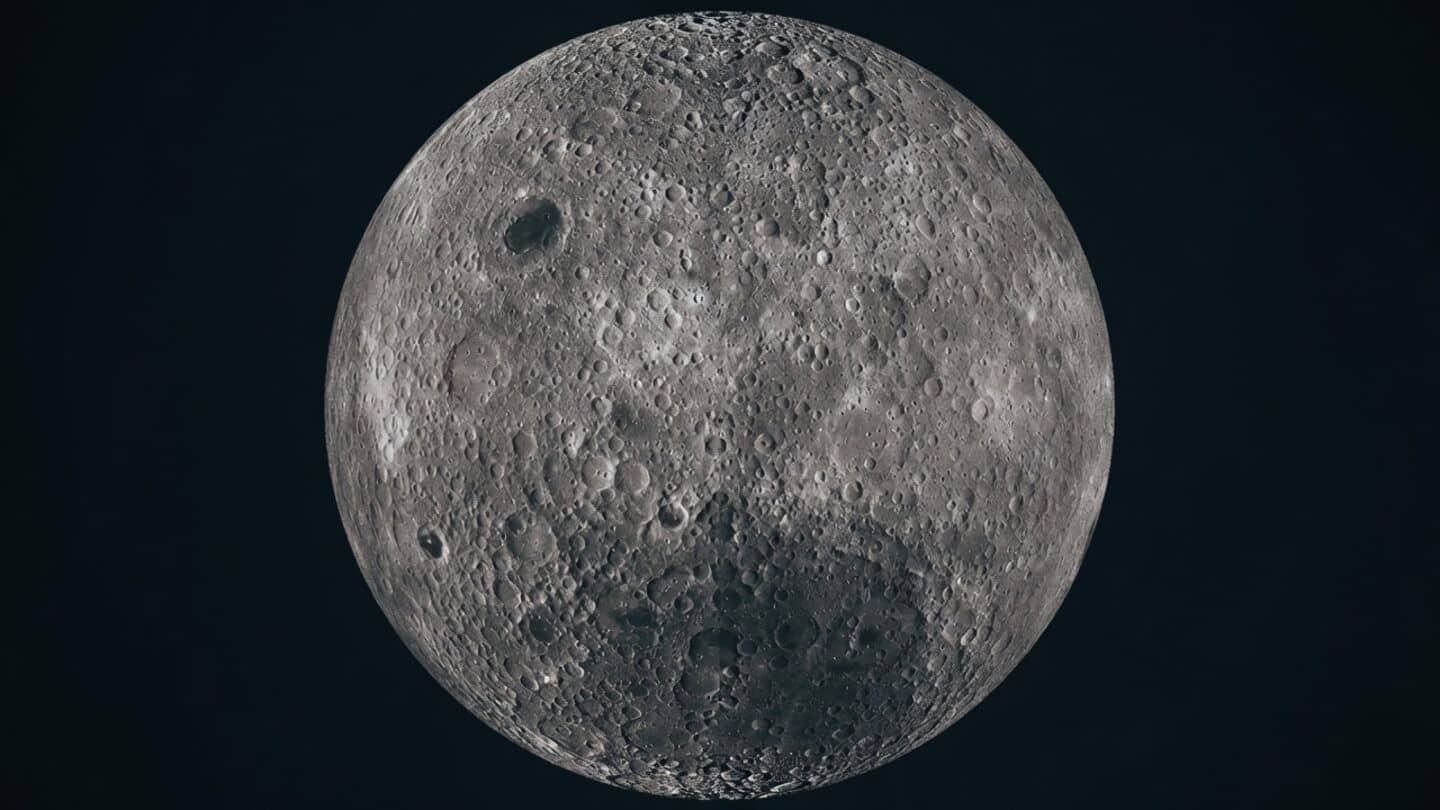
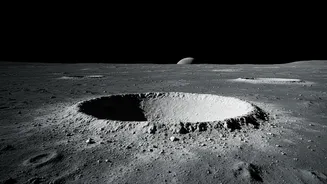
As space agencies and private companies accelerate plans for a new era of lunar exploration, their focus is increasingly on the Moon’s poles. Here, in permanently shadowed craters, are deposits of ancient ice that could hold the key to understanding the origin
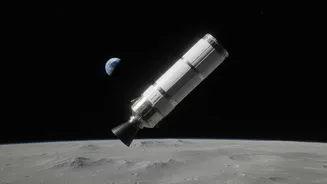
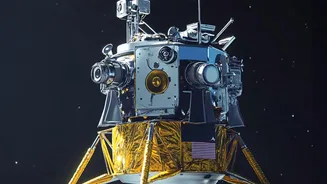
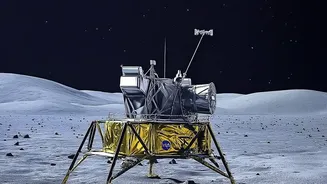
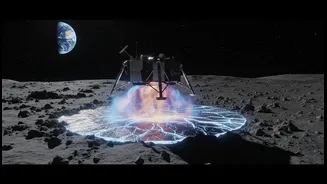
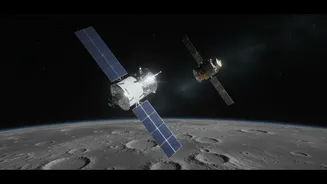
of water in our solar system and even the building blocks of life. These frozen reserves are also a critical potential resource for future long-term bases, providing water, breathable air, and rocket fuel. However, recent computer simulations have highlighted a serious paradox: the engines designed to land spacecraft safely on the Moon may be the biggest threat to this pristine environment. Specifically, the exhaust from landers—particularly those using methane-based propellants—can travel vast distances and contaminate the very ice scientists hope to study.
How Exhaust Travels Across the Moon
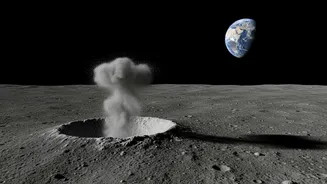
Unlike Earth, the Moon has virtually no atmosphere. When a lander fires its engines for descent, the hot gases don’t get dispersed locally. Instead, they expand rapidly into the vacuum, creating a temporary, ultra-thin atmosphere of exhaust molecules that spreads globally. Studies led by researchers at Johns Hopkins Applied Physics Laboratory show that exhaust from a single mid-sized lander can reach the opposite pole in just a few hours. Molecules of water and methane, common byproducts of rocket combustion, don't just dissipate; they hop across the lunar surface in ballistic trajectories until they find a place cold enough to get trapped. These 'cold traps' are the same permanently shadowed craters that hold the ancient, native ice.
A Permanent Contamination Problem
Simulations show the alarming persistence of this contamination. One study found that after just a few months, roughly 20% of the water vapor from a lander's exhaust could freeze out near the poles. Another model focusing on methane, a key component in the fuel for planned landers like SpaceX's Starship, found that within about seven Earth months, over half of the emitted methane would become trapped in the polar regions. A staggering 42% was found to settle at the south pole alone. This artificial ice and frozen methane can coat the native deposits, confounding scientific measurements. It becomes incredibly difficult for instruments to distinguish between a lander's recent chemical signature and the billions-of-years-old story frozen in the lunar ice. This could destroy our ability to read the unique historical record the Moon has preserved.
The Need for a Lunar Code of Conduct
This issue wasn't as critical during the Apollo era, when the primary goal was collecting rock samples and the existence of polar ice was not yet confirmed. But with dozens of robotic and human missions planned by multiple nations and corporations, the cumulative effect of frequent landings could be devastating to lunar science. The problem is magnified by the fact that future landers are expected to be much larger and heavier than their Apollo predecessors, producing significantly more exhaust. Recognizing this, scientists and planetary protection officers are calling for the routine modeling and monitoring of exhaust gases to be a standard part of mission planning. There is a growing consensus that, much like we have regulations for sensitive environments on Earth like Antarctica, we need to establish internationally recognized standards and practices for landing on the Moon.
Crafting Future Landing Rules
The conversation is now shifting toward practical solutions. One potential strategy involves carefully selecting landing sites. Models suggest that landing in colder areas may help corral exhaust molecules, preventing them from traveling as far. Another idea is to establish 'safety zones' or designated landing areas located a safe distance from regions of high scientific interest, though studies show that contamination is ultimately global. Documenting the precise isotopic composition of rocket propellants before launch could also help future scientists subtract the 'noise' of contamination from their data. These measures aren't just about protecting science; they are about ensuring the long-term viability of a lunar economy. If the ice is tainted, its value as a resource diminishes significantly. Developing a sustainable framework for lunar operations is becoming a critical priority for the entire space-faring community.