



What the Analysis Suggests
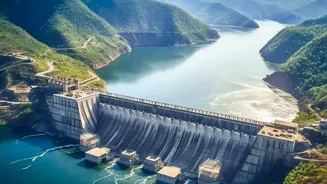
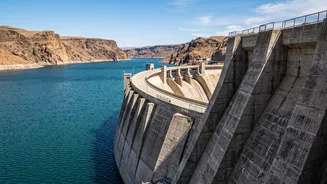
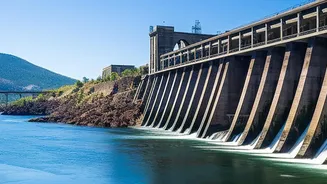
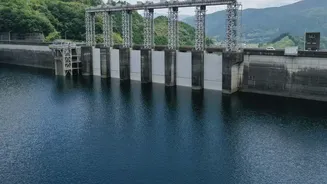
A New York Times report has brought attention to a speculative but compelling theory: that Iran's vast network of dams and water-transfer projects may have been developed, in part, to support a covert military buildup. The analysis points to geographical
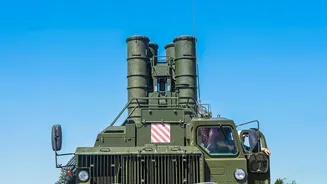
similarities between the locations of hundreds of dams and areas targeted in recent airstrikes against suspected military installations. Experts interviewed for the report noted that some large-scale water projects seem to lack a clear civilian or economic justification. This has led to the hypothesis that these dams and pipelines could be providing a steady, independent supply of water and electricity to Iran's underground 'missile cities'—sprawling complexes for producing, storing, and launching missiles and drones. Having a self-sufficient power and water source would grant these critical bases 'operational continuity,' making them less dependent on the national grid, which could be vulnerable in a conflict.
The Strategic Logic
The theory, while not definitively proven, aligns with a broader pattern of strategic behavior. For decades, Iran has pursued a massive dam-building campaign, constructing over 500 dams. This effort has been led by powerful entities like the Islamic Revolutionary Guard Corps (IRGC), whose construction conglomerate, Khatam al-Anbiya, dominates the country's water management sector. Critics, often dubbed the 'water mafia' by environmentalists, argue these projects have long served to enrich the IRGC and consolidate political power, often with disastrous environmental consequences. From this perspective, using water infrastructure for a dual military purpose is a logical extension. It embeds critical military assets within or near essential civilian structures, complicating targeting decisions for any adversary.
A Nation Facing a Water Crisis
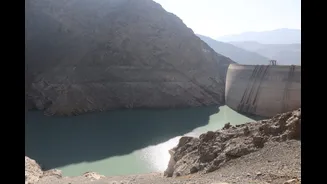
This potential militarization of infrastructure is unfolding against the backdrop of a severe and worsening water crisis in Iran. For years, the country has suffered from a combination of climate change, drought, and profound mismanagement. Over-extraction has depleted groundwater aquifers to a potentially irreversible degree, leading to dramatic land subsidence in major cities like Isfahan. Wetlands and lakes have dried up, with Lake Urmia, once the largest in the Middle East, losing roughly 90% of its volume. This environmental catastrophe, driven by an ideology of self-sufficiency that prioritized agriculture and industry over sustainable water use, has already sparked protests and social unrest. With some dams holding less than 10% of their capacity, the control and allocation of the remaining water is a matter of national security.
The Dangers of Blurred Lines
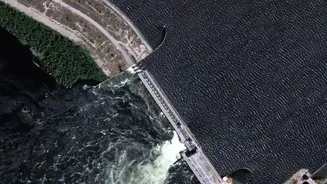
Whether the overlap is by design or coincidence, it creates immense risks. Promoting a narrative that links civilian dams to military bases has sparked a backlash, with some analysts and Iranian officials warning it could be used to justify attacks on vital infrastructure. International humanitarian law offers special protections to dams, recognizing that their destruction could unleash catastrophic floods and cause severe civilian losses. The presence of military facilities nearby does not automatically make a dam a legitimate target. However, in a conflict, these distinctions can blur. Recent strikes on desalination plants and other water facilities in the region show that such infrastructure is already vulnerable. The weaponization of water, whether through direct targeting or by using it as a shield for military assets, turns a basic resource for human survival into a tool of war, with potentially devastating consequences for millions of civilians.