




The Science Simplified: Why Humidity Matters
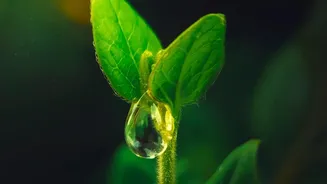
Plants 'breathe' and release water through tiny pores in their leaves in a process called transpiration. Think of it as plant sweat. When the air is dry, transpiration speeds up, and plants lose moisture to the atmosphere more quickly. To compensate,
their roots need to draw more water from the soil. Conversely, when the air is humid, the rate of transpiration slows down significantly because the atmosphere is already saturated with moisture. This means the plant holds onto water for longer, reducing its need to draw from the soil. Understanding this basic principle is the first step to mastering your watering routine.
Know Your Plant's Preference
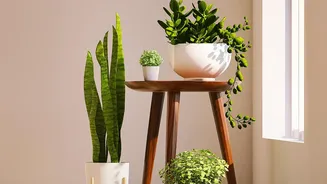
Not all plants are created equal. Their native climates dictate their humidity needs. Many popular houseplants in India are tropical natives that appreciate moisture in the air. Here's a quick guide: High-Humidity Lovers (50-70%+): Plants like Calatheas, Ferns, and many Orchids come from rainforest floors and crave high humidity. In dry air, their leaf edges will quickly turn brown and crispy. Moderate and Adaptable (40-60%): This is the sweet spot for many favourites, including Pothos (Money Plant), Philodendrons, and Monsteras. They thrive in average home humidity but appreciate a boost. Low-Humidity Champions (30-50%): Desert dwellers like Succulents, Cacti, and Snake Plants (Sansevieria) are adapted to arid conditions. They are far more susceptible to root rot in overly moist and humid environments.
Rethink Your Watering Schedule
A rigid weekly watering schedule is a common cause of houseplant failure. Environmental factors like light, temperature, and especially humidity mean a plant's needs change constantly. During the humid monsoon season, you'll likely need to water far less frequently than during dry winter months when indoor heaters are running. Overwatering is a huge risk in high humidity, as the soil stays wet longer, depriving roots of oxygen and creating a perfect environment for root rot, fungus, and pests like fungus gnats. Telltale signs of overwatering include yellowing leaves (especially lower ones), a musty smell from the soil, and a wilting plant despite the soil being wet.
The Best Way to Check for Thirst
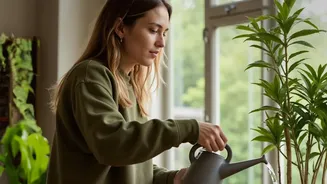
Don't just trust the surface of the soil, which can be misleading. The most reliable method is the finger test. Push your finger about two inches into the soil. If it feels dry at that depth, it's time to water. If you feel any moisture, it's best to wait another day or two and check again. This simple check prevents the most common cause of houseplant demise: watering too frequently. When you do water, do so thoroughly until water runs out of the drainage holes. This ensures the entire root ball is hydrated.
How to Adjust Humidity in Your Home
If you have plants that crave more humidity than your home provides, especially during dry spells, there are simple ways to help. The most effective solution is a cool-mist humidifier placed near your plants. Another easy method is to create a pebble tray: fill a shallow tray with pebbles and water, then place your plant pot on top, ensuring the pot isn't sitting in the water. The evaporating water will increase local humidity. Grouping plants together also helps, as they create a small, humid microclimate through collective transpiration. For humidity-loving plants, a spot in a naturally humid room like a bathroom (with adequate light) can be a perfect home.