





A Workout for Your Mind and Mood
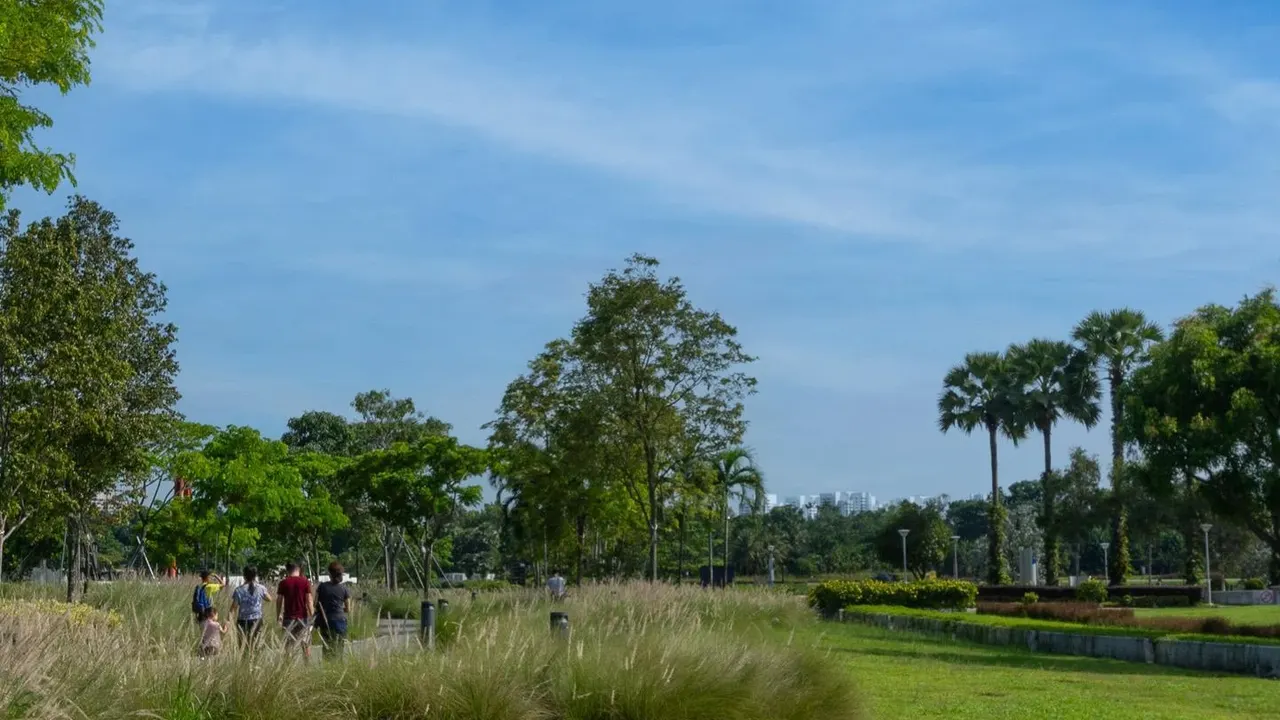
Exercising indoors is good, but taking that activity into nature offers a powerful mental boost. Research shows that 'green exercise' — physical activity in natural environments — can significantly decrease stress, anxiety, confusion, and tension. A walk
in a park or green space has been found to lower levels of cortisol, the body's primary stress hormone. Studies indicate that even short periods outdoors can improve mood, attention, and memory. The combination of movement and natural surroundings stimulates our senses in a way that a sterile gym cannot, leading to increased feelings of energy and revitalization. Exposure to sunlight also helps regulate sleep cycles and prompts your body to produce 'feel-good' chemicals like serotonin and dopamine, enhancing your overall sense of well-being.
More Than Just Steps
An outdoor walk offers a more dynamic physical challenge than a treadmill. The varied terrain of a park path or trail engages more muscle groups and improves balance and proprioception as your body constantly adapts to small changes underfoot. This natural variation can make the workout feel less strenuous than a comparable indoor session, helping you to go further. Furthermore, exercising outdoors is the best way for your body to produce Vitamin D from sunlight, an essential nutrient for bone health, a strong immune system, and mood regulation. Just a few short exposures to the sun each week can make a significant difference.
The Power of the Pack
One of the most compelling advantages of a walking club is the community it builds. While gym-goers often exist in their own world of headphones and machines, walking groups are inherently social. They provide a space to build friendships, share experiences, and combat feelings of isolation. This social connection is a powerful motivator; it's much harder to skip a workout when you know friends are waiting for you. Conversations make the time and effort seem lighter, often encouraging participants to walk farther than they would alone. This sense of community turns exercise from a chore into an enjoyable social event, which is key to building a lasting fitness habit.
A Growing Trend in India
Across Indian cities, the simple morning walk is being reclaimed by a younger generation. What was once seen as a gentle routine for seniors is now a vibrant social activity for young professionals and students. Walking and running clubs are becoming popular 'third places'—social environments outside of home and work where people can connect. This trend reflects a shift in fitness culture, moving away from a sole focus on intense, solitary workouts. Instead, the emphasis is on enjoyable, sustainable activities that combine physical and social wellness. These groups offer a low-pressure alternative to the gym, where the goal is not just to burn calories but to meet people and enjoy the experience.
Breaking Free From the Box
Indoor gyms, for all their benefits, can be restrictive. You are confined to a climate-controlled box, often with poor ventilation and stale air that can be a breeding ground for bacteria. Air conditioning might feel comfortable, but some experts note it can make warming up properly more difficult, potentially increasing the risk of muscle aches. In contrast, open-air clubs offer freedom and sensory richness. You get fresh air, the changing scenery of the seasons, and a genuine connection to your local environment. They are also significantly more cost-effective, eliminating the need for expensive monthly memberships and requiring only a good pair of shoes.