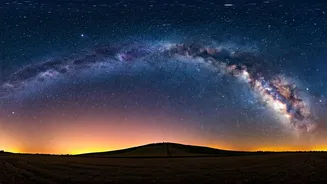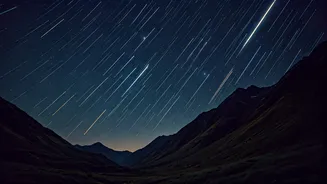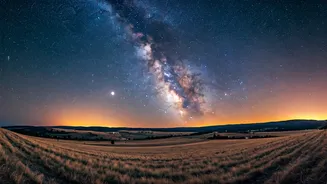






More Than Just a Light Show
The growing appeal of meteor shower chasing isn't just about astronomy; it's about connection. For parents seeking quality time away from digital distractions, a night under the stars offers a rare opportunity for quiet conversation and shared wonder.
Unlike a movie or a video game, a meteor shower is a slow, unpredictable event that encourages patience and presence. It puts our day-to-day worries into cosmic perspective. For children, it’s a tangible link to the science they learn in school, transforming abstract concepts like comets and orbits into a dazzling, real-time spectacle. The thrill of spotting a 'shooting star' together—a fleeting streak of light from a celestial visitor that burned up millions of years ago—is the kind of core memory that family legends are made of. It’s an accessible adventure that costs nothing but delivers a priceless sense of awe.
Your Simple Stargazing Toolkit
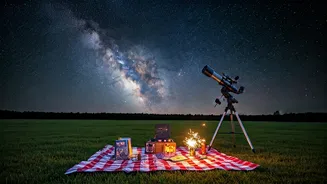
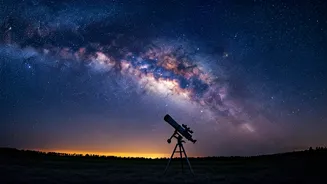
You don't need a Ph.D. in astrophysics or an expensive telescope to enjoy a meteor shower. In fact, the best way to watch is with the naked eye, as you want to see as much of the sky as possible. The key is comfort. Start with a few old blankets or sleeping bags to lie on—staring straight up for an hour can give you a serious case of 'neck-ache'. Add some pillows for good measure. Dress in layers, even on a summer night; temperatures can drop significantly after sundown. A thermos of hot chocolate or warm cider is a classic, cozy addition that makes the experience feel special for kids. Pack some simple, low-mess snacks. While not essential, a reclining lawn chair can be a game-changer for comfort. Finally, consider a stargazing app (like SkyView Lite or Star Walk 2) on your phone to help identify constellations, but be sure to use its red-light mode to preserve your night vision.
Mark Your Celestial Calendar
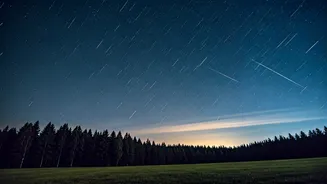
While meteors can appear on any given night, your best bet is to plan around one of the major annual showers. Two of the most reliable and family-friendly events are the Perseids and the Geminids. The Perseids peak in mid-August, offering a perfect summer night activity. They are known for producing a high number of bright, fast meteors—often 50 to 100 per hour at their peak. Because it happens in warm weather, it's arguably the easiest shower to introduce to children. The Geminids arrive in mid-December. While you'll need to bundle up against the cold, this shower is often the most spectacular of the year, with bold, bright, and slower-moving meteors that are easier to spot. The long winter nights also mean the sky gets darker earlier, so you don’t have to keep the kids up quite as late. For any shower, the best viewing time is always after midnight, but you can still catch plenty of action in the hours after dusk.
Tips for a Flawless Launch
Success with kids depends on managing expectations and maximizing comfort. First, escape the city. Light pollution is the number one enemy of stargazing. Drive 30 minutes to an hour outside of town to a park, field, or quiet rural road with an open view of the sky. Second, allow your eyes to adjust. It takes about 20-30 minutes for your pupils to fully adapt to the darkness, so put all phones and flashlights away. If you need light, use a red-light headlamp. Third, set realistic expectations. Explain to your kids that it’s not a constant fireworks display. You might see a meteor every few minutes, or go ten minutes without one. Turn the waiting into a game of 'I spy' with constellations. Finally, know when to call it a night. An hour of successful, happy stargazing is far better than three hours of cold, tired frustration. The goal is a positive memory, not an endurance test.