




The Protein Bar Boom
For years, protein bars have been the go-to snack for the health-conscious urban Indian. Positioned as a convenient, on-the-go solution for fitness enthusiasts and busy professionals, these bars promised a quick dose of protein for muscle recovery and sustained
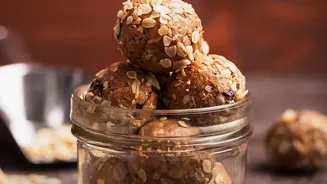
energy. The Indian protein bar market has seen significant growth, driven by aggressive marketing, rising disposable incomes, and a growing awareness of protein's importance in a balanced diet. Brands promoted these products as essential tools for weight management, athletic performance, and even as healthy meal replacements, making them a staple in gyms, offices, and backpacks across the country.
A Return to Traditional Roots
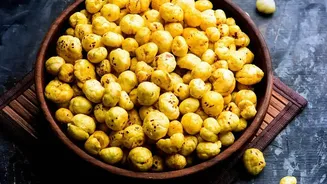
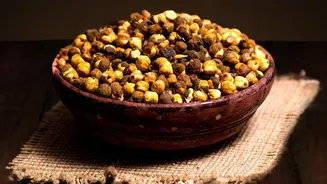
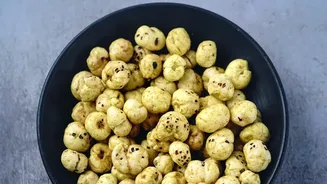
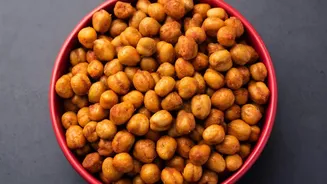
Even as the market for engineered nutrition grows, a powerful counter-trend is emerging: a return to local, traditional foods. Indian consumers are increasingly looking for snacks that are not only healthy but also familiar, authentic, and culturally resonant. This has sparked a renaissance for ingredients like roasted chana (chickpeas), makhana (fox nuts), and sattu (roasted gram flour). Once considered simple, everyday fare, these ingredients are now being celebrated as homegrown superfoods. This shift is driven by a desire for clean labels, natural ingredients, and a deeper connection to India's rich culinary heritage. Recent studies show a clear preference for local brands in the food and beverage category, with a majority of consumers favouring homegrown options.
Nutritional Showdown: Processed vs. Whole
When placed side-by-side, the nutritional profiles reveal a surprising story. While a protein bar might deliver a concentrated dose of protein (often 10-20 grams), it frequently comes with a long list of processed ingredients, added sugars, and artificial sweeteners. In contrast, traditional snacks offer a more holistic nutritional package. A 50-gram serving of roasted chana provides about 10-11 grams of protein, nearly matching a typical protein bar, but with the added benefit of high fibre content, which aids in satiety and digestion. Sattu, another powerhouse, is rich in protein, fibre, and essential minerals like iron and magnesium. These traditional options are often low on the glycemic index, providing sustained energy without the sugar crash associated with some processed bars.
The Advantage of Affordability and Taste
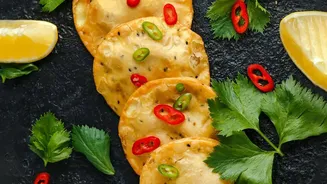
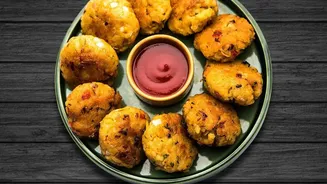
Cost is a significant factor in this competition. Imported protein bars are decidedly a premium product, with a single bar often costing anywhere from ₹50 to over ₹100. A comparable portion of roasted chana, offering similar protein content, can be purchased from a street vendor or local store for a fraction of that price. Beyond price, there is the element of taste. Many consumers experience palate fatigue from the dense, often artificially sweet flavours of protein bars. Traditional snacks like spiced makhana or savoury roasted chana offer a familiar and diverse flavour profile that aligns better with the Indian palate. This growing preference has led many companies to innovate by launching packaged versions of traditional snacks, using modern techniques like vacuum frying to enhance shelf life while preserving authentic taste.
Market Response and the Future of Snacking
The market is adapting to this consumer shift. Seeing the rising demand, local and national brands are launching modern, attractively packaged versions of traditional snacks, from flavoured makhana to ready-to-eat millet-based products. The makhana market, for instance, is projected to grow significantly, driven by its reputation as a healthy, low-calorie snack. At the same time, some international brands are attempting to localize their offerings to better suit Indian tastes and health priorities. This evolving landscape suggests the future of snacking in India isn't an either-or choice. Instead, it points toward a hybrid market where convenience meets tradition, and where clean, understandable ingredients are valued as much as high-protein claims.