








Phase 1: Create Separate, Secure Basecamps
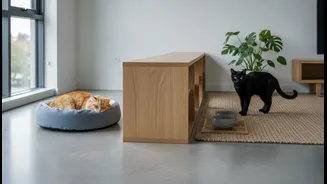
The foundation of any peaceful introduction is complete separation at the start. Your new cat needs a dedicated 'basecamp'—a room that is exclusively theirs for the first several days, or even weeks. In a metro home, this might be a spare bedroom, a home office,
or even a bathroom. Equip this room with everything the new cat needs: food, water, a litter box, toys, and a comfortable place to sleep. This isolation isn't punishment; it's a critical decompression period. It allows the newcomer to acclimate to the new sounds and smells of your home from a safe space, while your resident cat can become aware of the new presence without a direct confrontation.
Phase 2: Master the Scent Exchange
Cats navigate their world through scent more than any other sense. Your first goal is to make each cat's scent a normal, non-threatening part of the other's environment. This is where scent swapping comes in. Take a blanket or towel each cat has slept on and place it in the other's territory. You can also use a pair of clean socks: gently rub one sock on the new cat's cheeks (where friendly pheromones are released) and leave it for your resident cat to find, and vice versa. Another powerful technique is to feed the cats on opposite sides of the closed basecamp door. This helps them build a positive association between the rewarding act of eating and the other cat's scent and presence.
Phase 3: The First Visual, No Contact
Once both cats are calm and tolerant of each other's scents—eating regularly and showing no major signs of stress—it's time for the first visual introduction. This must be done through a barrier. Stacking two baby gates in the doorway of the basecamp is often recommended, as a single gate is too easy for a cat to jump over. If that isn't feasible, you can prop the door open just a crack, secured so that neither cat can squeeze through. Keep these initial visual sessions very short and positive. Offer high-value treats or engage in playtime near the barrier to reinforce that seeing the other cat is a good thing. Hissing is normal, but if there is intense aggression, end the session and take a step back.
Phase 4: Supervised, Short-Term Meetings
When visual contact through the barrier is consistently calm, you can proceed to supervised, short-term meetings in a shared, neutral space. The first few times, keep the sessions brief—just a few minutes. Use a wand toy to distract them and encourage parallel play, where they are engaged in the same activity near each other, but not with each other. This redirects their focus and helps them learn to coexist peacefully in the same room. Always end on a positive note, before either cat gets overstimulated or stressed. Gradually increase the duration of these sessions as they become more comfortable. Never leave them unsupervised together until you are completely confident they will not fight. This process can take weeks or even months; patience is your most important tool.
Adapting the Template for Metro Homes
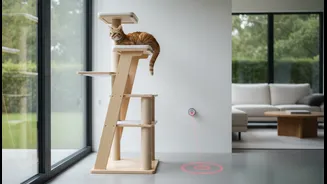
Limited space in a metro home presents unique challenges but doesn't make a successful introduction impossible. The key is to be creative and structured. A bathroom can be an excellent, albeit small, basecamp for the new cat. When you let the new cat out to explore, your resident cat can be temporarily placed in that same basecamp, forcing a full 'territory swap' that accelerates scent familiarization. In smaller apartments where every room is in use, ensure there are plentiful resources. This means having one more litter box than the number of cats, and multiple food and water stations to prevent competition. Vertical space is also critical; cat trees and shelves allow them to share a small footprint by creating different levels, letting them avoid conflict by simply moving up or down.