






Understanding the World of Digital Gold
Before diving into the specifics, it's important to understand the term 'digital gold'. It's not a single product but an umbrella term for various ways to invest in gold electronically, without the need to physically hold it. This includes options like
Gold Exchange-Traded Funds (ETFs), Gold Mutual Funds, and Sovereign Gold Bonds (SGBs). Each offers a different way to gain exposure to gold prices, but Gold ETFs are particularly popular for their simplicity and liquidity, much like trading stocks.
What Exactly is a Gold ETF?
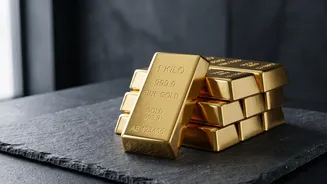
A Gold Exchange-Traded Fund (ETF) is a type of mutual fund that invests directly in physical gold of very high purity (typically 99.5%). This gold is stored in secure vaults by the fund house. When you invest in a Gold ETF, you are buying units that represent this underlying physical gold. These units are listed and traded on major stock exchanges like the NSE and BSE, meaning you can buy and sell them throughout the trading day at market prices, just as you would with shares of a company. The value of each unit tracks the domestic price of gold, so as gold prices move, so does the value of your investment.
The Power of Micro Investments
The real game-changer with Gold ETFs is their accessibility for small investors. Traditionally, buying even a small amount of gold, like a few grams, requires a significant outlay of cash. Gold ETFs break this barrier down. The minimum investment is simply the price of one unit of the ETF. While one unit often represents one gram of gold, some funds structure their units to represent smaller fractions, like half a gram or less. This means you can start your gold investment journey with a much smaller amount of money, effectively allowing for 'micro' investments and building your holdings over time at your own pace.
How to Easily Invest in Gold ETFs
Getting started with Gold ETFs is surprisingly straightforward, especially if you are already familiar with the stock market. The primary requirement is to have a Demat and trading account, which is used to hold and trade securities electronically. Once your account is active, the process is simple: 1. Fund Your Account: Transfer money to your trading account. 2. Choose Your ETF: Research and select a Gold ETF from the many available on the exchange from various fund houses. 3. Place Your Order: Log in to your broker's platform, search for the ETF symbol, and place a 'buy' order for the number of units you wish to purchase. The units are then credited to your Demat account, giving you electronic ownership of gold.
Key Benefits Beyond Small Investments
The appeal of Gold ETFs extends well beyond just small entry points. They solve many of the traditional problems associated with physical gold. There are no making charges, which can be a significant cost when buying jewellery. Purity is assured as ETFs invest in high-quality gold regulated by SEBI. You also avoid storage hassles and security risks, as the gold is held securely in dematerialized form in your account. Furthermore, Gold ETFs are highly liquid, meaning you can easily sell your units on the stock exchange during market hours and receive cash.
A Few Things to Keep in Mind
While Gold ETFs are a fantastic tool, it's wise to be aware of the associated costs and tax rules. You will incur minor costs like brokerage fees on transactions (though many discount brokers are very competitive) and an annual expense ratio, which is a small fee charged by the fund house to manage the ETF. For taxation, if you sell your units after holding them for more than 12 months, the profit is considered a Long-Term Capital Gain (LTCG) and is taxed at a flat rate. If you sell within 12 months, the profit is a Short-Term Capital Gain (STCG) and is added to your income and taxed at your slab rate.