
Catch the Last of the Perseids
The spectacular peak of the Perseid meteor shower on August 12 and 13 may have passed, but the show isn’t entirely over. The shower remains active until the beginning of September, meaning you can still spot stray shooting stars. These meteors are fragments
of the comet Swift-Tuttle, burning up as they hit Earth’s atmosphere at incredible speeds. The best time to watch is after midnight, looking towards the northeast. While a dozen or so meteors per hour is a far cry from the peak’s storm, catching a single bright fireball streak across the sky is a magical experience. The biggest challenge for most Indian observers will be the persistent monsoon cloud cover. However, for those in rain-shadow regions like Ladakh, Spiti, or parts of Rajasthan, or for anyone who catches a lucky break in the clouds after a storm, the celestial fireworks continue.
A Fleeting Dance with Mercury
On the morning of August 21, look to the eastern horizon just before sunrise for a delicate pairing. The crescent Moon will appear near the elusive planet Mercury. This conjunction offers a great opportunity to spot the solar system’s innermost planet, which is often lost in the Sun’s glare. To catch them, you will need a clear, unobstructed view of the eastern horizon around 5:30 to 6:00 AM IST. Mercury can be challenging to find, but using the nearby Moon as a guidepost makes the task much easier. This is a naked-eye event, but a pair of binoculars might help cut through the early morning haze and provide a clearer view of the speedy little planet.
Saturn Begins Its Reign
As August progresses, the star of the show is undoubtedly the planet Saturn. The magnificent ringed planet is heading towards its opposition in early October, when it will be at its biggest and brightest for the year. This means that throughout the rest of August, it will be an increasingly brilliant object in our night sky. Saturn will rise about 90 minutes after sunset and will be visible for most of the night, glowing with a steady, yellowish light. You can find it in the constellation Pisces. While it is easily visible to the naked eye, even a small telescope will begin to reveal its most famous feature: its stunning rings. If you have been waiting for a good time to turn your attention to the planets, late August is the perfect start.
The Moon Guides You to Saturn
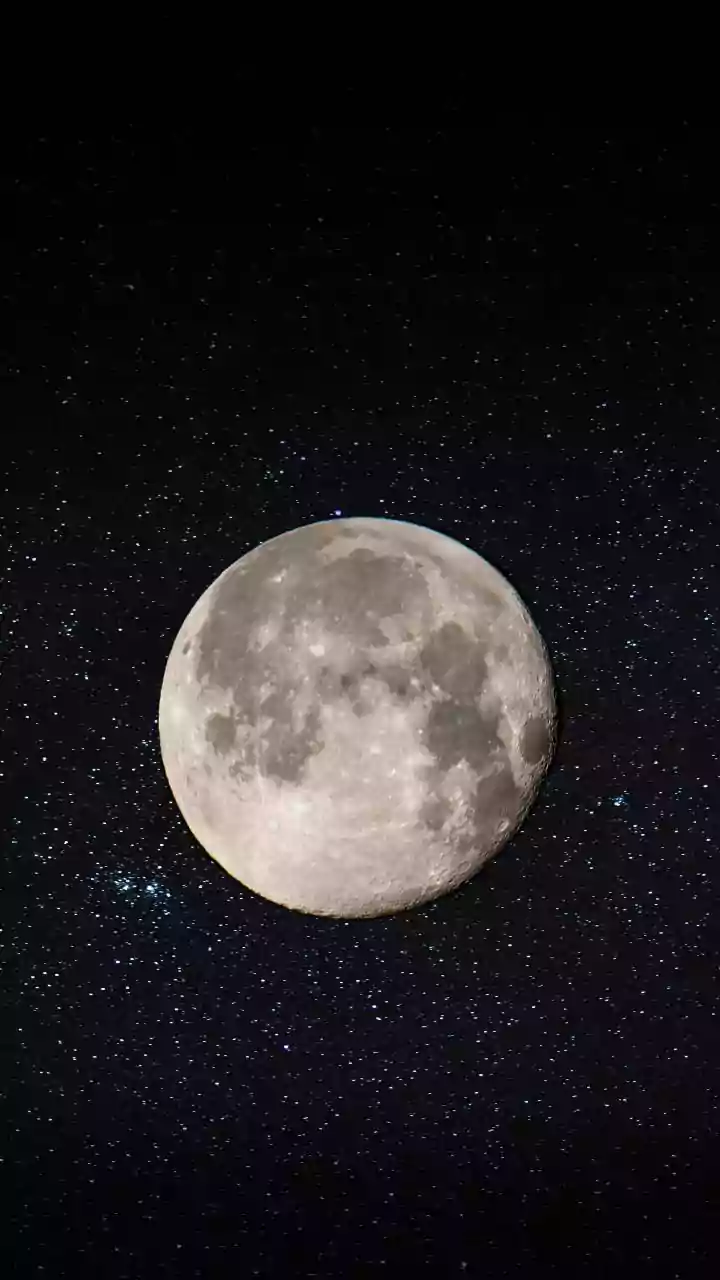
To close out the month, the Moon provides a perfect guide to locating Saturn. From August 28 to 31, the waxing gibbous Moon will pass close to the bright planet in the night sky. This celestial pairing will be easy to spot and beautiful to watch over several nights. On August 28, the Moon will be approaching Saturn, and by the 31st, it will have moved to the other side of it. This provides a wonderful visual of the Moon’s own journey through our sky, with the majestic Saturn as a fixed reference point. The event will be visible both in the evening sky after sunset and in the pre-dawn hours. If you've been struggling to identify which bright 'star' is actually Saturn, these few nights will make it unmistakable.