





The Crucial Role of Light
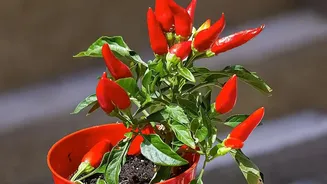
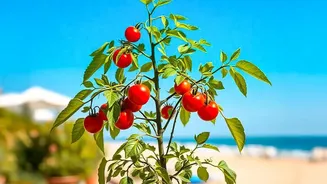
The headline says it all: consistent light is non-negotiable for a thriving Thai chilli plant. These plants are sun-worshippers, requiring at least six hours of direct, bright sunlight every day to fuel their growth and produce an abundance of fruit.
An ideal spot is a south-facing balcony or window where the plant can soak up the rays. If you notice your plant becoming 'leggy'—with long, stretched-out stems and few leaves—it's a clear sign it's not getting enough light. For those in apartments with limited natural sun, a grow light can be a worthy investment to supplement and ensure your plant gets the energy it needs.
Choosing the Right Pot and Soil
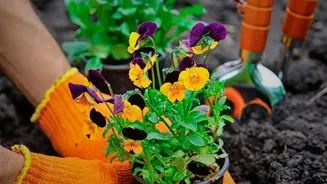
Giving your chilli plant a proper home is the next step to success. Select a pot that is at least 12 inches deep, which provides ample space for the root system to develop. The most critical feature of any container is drainage. Ensure your pot has holes at the bottom to prevent waterlogging, a common issue that can lead to root rot. Thai chillies flourish in well-draining soil that is rich in organic material. You can buy a high-quality potting mix or create your own. A great homemade recipe involves mixing multi-purpose compost with perlite or vermiculite to improve aeration and drainage, ensuring the roots stay healthy and have access to oxygen.
Watering and Feeding Fundamentals
Watering is a balancing act. Thai chilli plants need consistent moisture but are sensitive to overwatering. A good rule of thumb is to check the top inch of the soil with your finger; if it feels dry, it's time to water. Water the plant deeply until you see it run out of the drainage holes, then allow the soil to partially dry out before the next watering. Chilli plants are also hungry feeders and benefit from regular nutrients. During the growing season, use a balanced liquid fertilizer every two to four weeks. Once the plant starts to flower and set fruit, you can switch to a fertilizer that is higher in potassium and phosphorus (like a 5-10-10 NPK ratio) to encourage a bigger and healthier harvest.
Pest Management and Harvesting
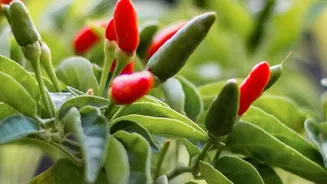
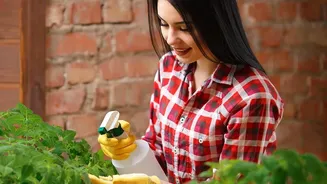
Even with the best care, pests can sometimes be an issue. Common culprits for chilli plants include aphids and spider mites. Keep an eye on the undersides of leaves. If you spot any pests, a strong spray of water from a hose can often dislodge them. For more persistent issues, organic solutions like neem oil spray can be effective without harming the plant or your future harvest. Your patience will be rewarded in about 100-130 days, when the chillies are ready to be harvested. They can be picked when they are green or left on the plant to mature to a vibrant red, which also increases their heat. Harvest regularly to encourage the plant to produce more flowers and, consequently, more chillies.