






Understanding the Travel Calendar
Most destinations have three distinct travel periods. Peak season is when everyone wants to visit, usually coinciding with holidays and ideal weather, but it brings high prices and long queues. The off-season is the quietest time, with lower demand and potential
business closures. In between these two lies the 'shoulder season'—the transitional months just before or after the peak. For many parts of the world, this often means spring (March-April) and autumn (September-November). These windows offer a sweet spot: pleasant weather, open attractions, and a more relaxed atmosphere.
The Benefits of Off-Peak Travel
The most significant advantage of avoiding peak dates is the cost savings. Flights, hotels, and even tours can be substantially cheaper. This allows your budget to stretch further, perhaps affording a longer stay or a more luxurious hotel. Beyond savings, the experience itself is transformed. With fewer tourists, you can explore iconic landmarks without navigating a sea of people. This leads to more meaningful interactions with locals and a more authentic feel for the destination. Imagine enjoying a quiet Goan beach in the monsoon or exploring Hampi's ruins without the usual crowds; this is the reward of smart timing.
Finding the Sweet Spot: Tips and Tricks
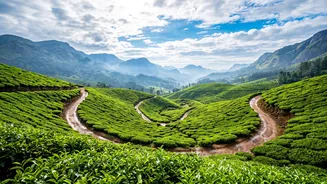
Identifying shoulder seasons requires a bit of research. Start by looking up the peak tourist months for your desired destination and then explore the months on either side. Use flexible date search tools on flight booking websites to visually compare prices across a whole month. August and September, for instance, are often great for finding cheaper international flights from India as the summer rush ends before the festive season begins. Don't be afraid of a little rain; the monsoon season can transform landscapes, making destinations like Goa, Kerala, and Rajasthan lush and beautiful, often at half the price. For a trip to Europe, consider September or October instead of the crowded summer months of July and August.
Where to Go and When: Ideas for Indian Travellers
For domestic travel, the options are plentiful. Experience Goa during the monsoon (June to October) for dramatic seascapes, vibrant green countrysides, and amazing deals on luxury hotels. In Rajasthan, the monsoon shoulder season from July to September offers competitive hotel rates and a unique charm in cities like Udaipur. The Himalayas in Himachal Pradesh are serene in the post-monsoon period or just before peak summer. Internationally, Southeast Asia offers great value. Thailand, a perennial favourite, is often cheaper in months like August. Bali sees leaner crowds and discounted prices in November and December. For those dreaming of Europe, shoulder season aligns with India's, making a two or three-day stopover in a city like Paris or Istanbul more manageable and enjoyable before continuing your journey.