

Understanding Iron's Two Forms
Before diving into the solution, it’s helpful to know that dietary iron comes in two main types: heme and non-heme. Heme iron, found in animal products like meat, poultry, and fish, is absorbed quite easily by the body. Non-heme iron is found in plant-based
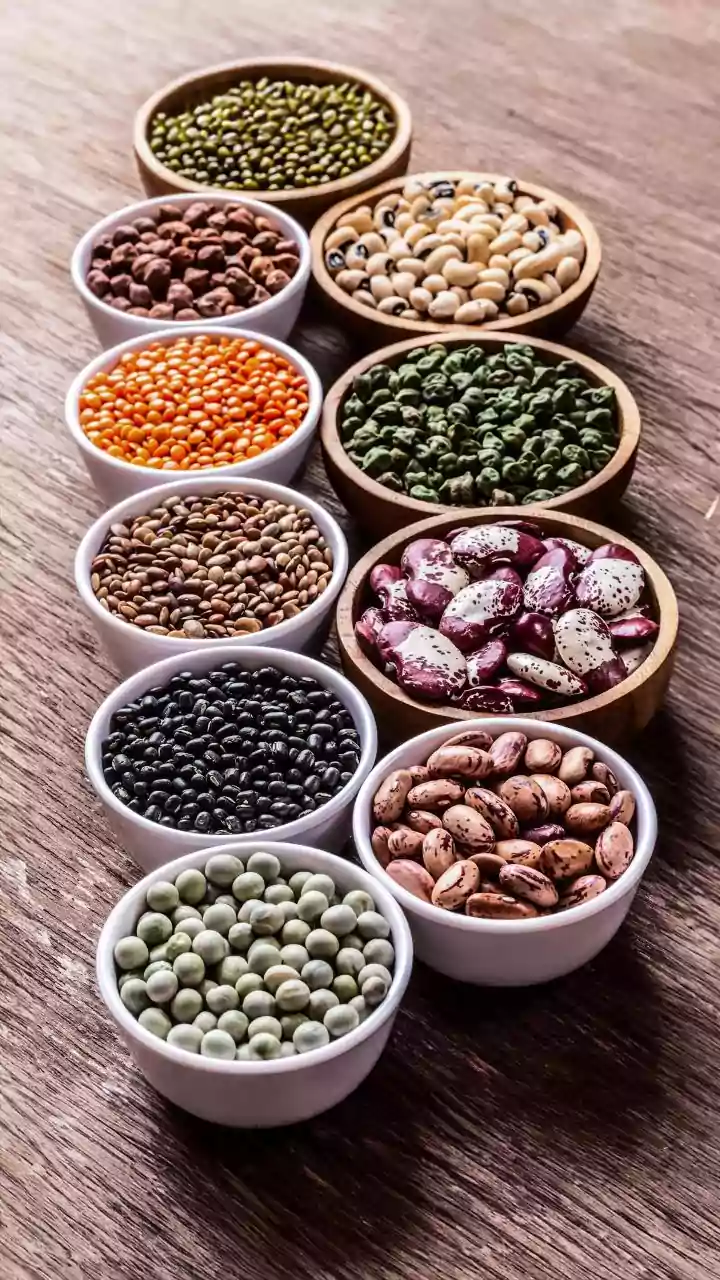
foods like leafy greens, lentils (dal), beans, and whole grains. While abundant, non-heme iron is less bioavailable, meaning your body has a harder time absorbing it. For the large number of Indians who follow a predominantly vegetarian diet, this makes understanding how to maximise non-heme iron absorption critically important for maintaining energy levels and overall health.
The Power of Leafy Greens
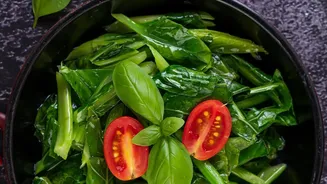
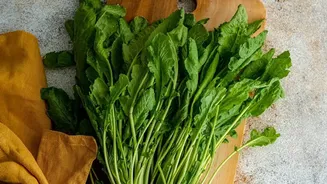
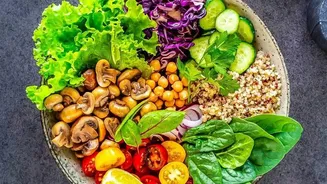
Leafy greens are nutritional champions, and for good reason. Vegetables like spinach (palak), fenugreek (methi), amaranth leaves (chaulai), and mustard greens are staples in Indian cuisine and are packed with non-heme iron. However, simply eating a large bowl of palak might not be enough. These greens also contain natural compounds called oxalates and phytates, which can bind to iron and inhibit its absorption. This doesn't mean you should avoid them; it just means they need the right partner on the plate to truly unleash their iron-boosting potential.
Vitamin C: The Master Key
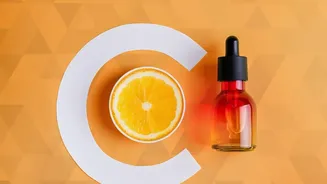
This is where Vitamin C comes in. Think of it as the master key that unlocks non-heme iron. Scientifically, Vitamin C (ascorbic acid) works in two powerful ways. First, it converts the iron from its ferric (Fe3+) state, which is harder to absorb, into the more soluble ferrous (Fe2+) state. Second, it forms a protective bond with the iron, creating a soluble complex that prevents inhibitors like phytates from blocking its absorption as it moves through your digestive system. The effect is significant. Studies have shown that adding Vitamin C to a meal can increase non-heme iron absorption several times over. While the headline's claim of "doubling" is a good rule of thumb, some research suggests the increase can be even more dramatic depending on the meal's composition.
Perfect Pairings on Your Plate
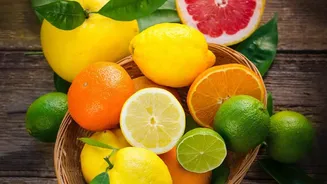
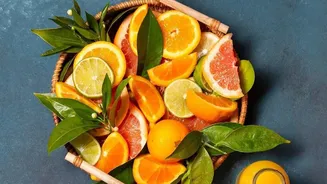
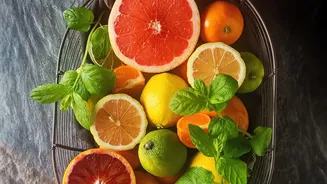
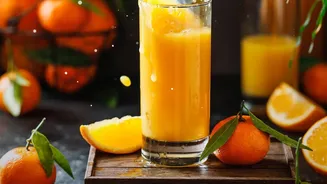
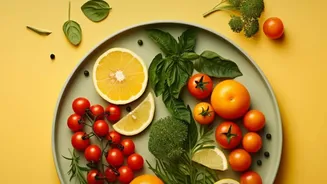
Putting this science into practice is simple and delicious. The goal is to consume a source of Vitamin C at the same time as your iron-rich leafy greens. For an Indian context, this is incredibly intuitive. A generous squeeze of lemon (nimbu) over your dal or sabzi is a classic example. Other fantastic pairings include: having a glass of fresh orange (santra) juice with a breakfast of moong dal chilla; adding finely chopped tomatoes (a good Vitamin C source) to your palak paneer; or making a simple salad with spinach, bell peppers, and a lemon-based dressing. Even fruits like amla and guava, which are exceptionally high in Vitamin C, can be eaten alongside meals to boost iron uptake.
What to Watch Out For
Just as Vitamin C enhances absorption, other common substances can hinder it. The main culprits are tannins found in tea and coffee, and calcium from dairy products. These compounds can significantly reduce your body's ability to absorb iron from a meal. This doesn't mean you have to give up your chai or morning coffee, but it’s wise to avoid having them with your iron-rich meals. Experts suggest leaving a gap of at least one to two hours between your iron-heavy meal and your cup of tea, coffee, or glass of milk to ensure you get the maximum benefit from your food.