






Why a Calendar Matters
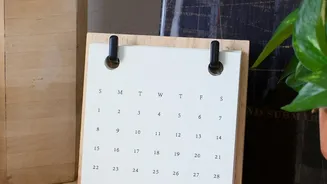
Living in a rental property involves a partnership between you and your landlord. While major structural issues are typically the landlord's responsibility, tenants are expected to handle day-to-day upkeep. A maintenance calendar helps you stay ahead
of seasonal issues, document potential problems early, and communicate clearly with your landlord. It transforms home care from a series of stressful events into a manageable routine. This proactive approach not only prevents small issues from becoming major disasters but also demonstrates that you are a responsible tenant. Creating a simple, shared schedule can prevent disputes about who is responsible for what, as outlined in India's Model Tenancy Act, 2021, which divides duties between landlords and tenants.
Pre-Monsoon Prep (May – June)
This is the most critical time to prevent the very leaks that can cause so much trouble. Before the rains arrive, focus on waterproofing and drainage. Inspect balconies and outdoor drains to ensure they are clear of debris. Check window and door seals for any gaps where water could enter. Look for any visible cracks on exterior walls or ceilings and report them to your landlord immediately. This is their responsibility to fix, but your prompt notification is key. Also, it’s a good time to service your air conditioners and clean the filters so they are ready for the humid months ahead.
Monsoon Management (July – September)
During the monsoon, the focus shifts to managing dampness and staying vigilant. Keep an eye out for any new signs of water seepage, peeling paint, or mould growth, especially after heavy rain. Inform your landlord in writing as soon as you spot an issue. Ensure good ventilation in areas like bathrooms and kitchens to prevent moisture buildup. This is also peak season for pests, so check for and seal any new entry points. Finally, prioritise electrical safety. Keep appliances away from damp walls and never touch electrical switches with wet hands.
Post-Monsoon & Winter Care (October – January)
Once the rains subside, it's time to assess and repair any damage. This is the ideal period for any major painting or plastering work your landlord needs to undertake. For your part, deep clean areas that may have suffered from dampness. As the weather cools, your focus should turn to heating appliances. Check that your geyser is working safely and efficiently before you need it daily. It's also a good idea to lubricate door and window hinges, which can rust after prolonged exposure to moisture.
Summer Spruce-Up (February – April)
Summer is the season for general maintenance and preparation. Before the intense heat sets in, get your ceiling fans and air conditioners cleaned and serviced. This improves their efficiency and can lower your electricity bills. Deep clean the kitchen, including the chimney and exhaust fans which may have collected grease over the winter. It's also a great time to check for and address any general wear and tear, like a dripping tap or a stiff door lock, which typically fall under a tenant's responsibility for minor upkeep.
Communicating with Your Landlord
Your maintenance calendar is also a communication tool. When you identify an issue that is the landlord's responsibility, such as a leaking roof or major crack, notify them in writing. This creates a clear record. The Model Tenancy Act provides a framework for tenants to act if a landlord fails to make necessary repairs after being notified. However, the goal is collaboration, not conflict. Sharing your seasonal checklist with your landlord can foster a positive relationship, showing that you are both invested in preserving the property's condition.