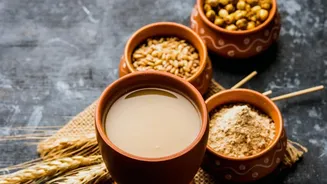








Go Beyond Potatoes and Sabudana
While delicious, a diet solely of fried potatoes and sabudana can lead to energy crashes and sluggishness. The principles of a Navratri diet are rooted in sattvic eating, focusing on foods that are light and easy to digest. The goal is to nourish, not
just fill. By planning meals that are balanced, you can avoid common pitfalls like fatigue and weakness. This means incorporating a variety of permitted foods to ensure you receive a mix of essential nutrients. A balanced plate can include fruits, dairy, nuts, makhana, and specific grains like kuttu and samak rice.
Choose Smart Carbohydrates for Steady Fuel
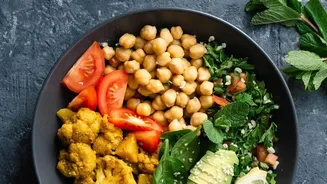
The foundation of energy during Navratri fasting comes from complex carbohydrates that provide a slow and steady release of fuel. Instead of regular grains, the fast includes nutritious alternatives like buckwheat flour (kuttu), water chestnut flour (singhara), and amaranth flour (rajgira). These flours are gluten-free, high in fibre, and have a lower glycaemic index than many common grains, helping to maintain stable blood sugar levels. Barnyard millet (samak rice) is another excellent choice that can be used to make pulao or khichdi, providing fibre, iron, and B vitamins. Sweet potatoes are another powerhouse, offering fibre and potassium for sustained energy.
Power Up with Plant-Based and Dairy Proteins
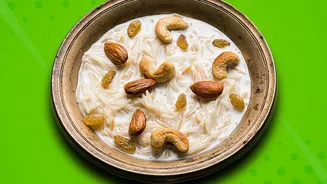
Protein intake often drops during Navratri, leading to hunger and muscle weakness. To combat this, intentionally include protein-rich foods in your meals. Dairy products like paneer, yoghurt (curd), and milk are excellent sources of protein and calcium that keep you feeling full and your energy levels steady. Nuts and seeds like almonds, walnuts, and peanuts are also permitted and provide healthy fats alongside protein. Makhana (fox nuts), a popular fasting snack, is surprisingly high in protein and magnesium, making it a light yet satiating option. Combining carbs with a source of protein helps stabilise energy.
Stay Hydrated and Replenish Nutrients
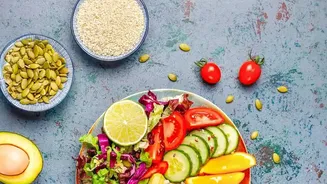
Dehydration is a common cause of fatigue and headaches during fasting. It's crucial to drink plenty of fluids throughout the day. Water is essential, but you can also include coconut water, which helps replenish electrolytes, or buttermilk (chaas). Fruits are not only a source of natural sugars for a quick energy boost but also high in water content, vitamins, and minerals. Vegetables like bottle gourd (lauki), pumpkin, and cucumber are also allowed, providing fibre and nutrients while being light on the digestive system.
A Sample Meal Plan for a Balanced Day
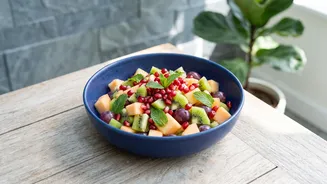
To put it all together, structure your day with small, frequent meals to keep your metabolism active.Breakfast: Start with a bowl of fruit and a handful of soaked almonds, or a bowl of yoghurt with nuts.Mid-Morning: Sip on some coconut water or a glass of buttermilk to stay hydrated.Lunch: Opt for a kuttu cheela (buckwheat pancake) with a side of lauki sabzi, or a samak rice pulao with vegetables and a bowl of curd.Evening Snack: Enjoy a bowl of roasted makhana or a simple sweet potato chaat.Dinner: Keep it light with a warm bowl of pumpkin soup or a paneer stir-fry.This approach ensures you get a mix of carbs, protein, and healthy fats throughout the day, preventing energy slumps.