






What is This Ancient Drink?
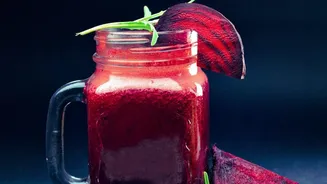
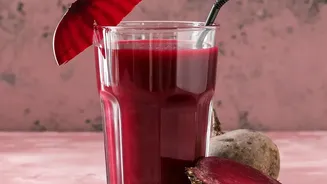
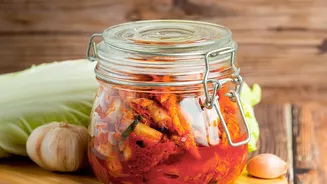
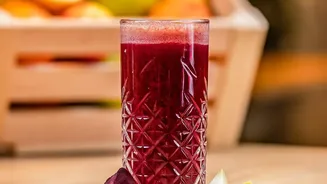
Kanji is a classic North Indian fermented drink, traditionally made during the winter months. The process is simple: black carrots or beetroots are submerged in water with salt and coarsely ground mustard seeds. This mixture is then left in a glass or ceramic
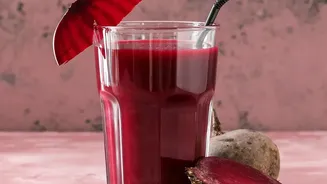
jar, often in the sun, for several days to ferment. The result is a tangy, savoury, and slightly pungent beverage with a vibrant dark-purple hue. Historically valued as a digestive aid, Kanji is now being rediscovered by wellness enthusiasts as a powerful, homegrown probiotic alternative to commercially available options.
The Science of Fermentation
The magic of Kanji lies in its natural fermentation process. The vegetables and the environment provide naturally occurring beneficial bacteria, primarily Lactic Acid Bacteria (LAB). These microbes feed on the natural sugars in the carrots and beetroot, converting them into lactic acid. This not only preserves the drink and gives it its characteristic sour taste but also creates a thriving population of probiotics. These live microorganisms are the “good bacteria” that help balance your gut microbiome, which is crucial for everything from digestion to immunity.
The Power of Black Carrots
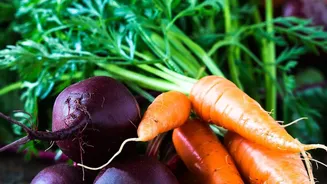
While regular orange carrots are healthy, black carrots are nutritional powerhouses. Their deep purple colour comes from a high concentration of anthocyanins, a potent type of antioxidant. These antioxidants help protect the body's cells from oxidative stress, which is linked to chronic diseases. Beyond their antioxidant properties, black carrots are a great source of dietary fibre, which aids digestion and promotes regular bowel movements. When fermented in Kanji, these benefits are combined with a healthy dose of probiotics, creating a drink that supports the gut from multiple angles.
Beetroot’s Earthy Contribution
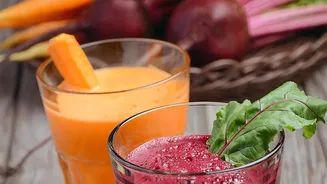
When black carrots are not in season, beetroot is a common and equally beneficial substitute. Beetroots give the Kanji its signature rich colour and a slightly sweeter, earthier flavour. They are packed with essential nutrients like folate, manganese, and iron. More importantly, beetroots are rich in nitrates, which the body converts into nitric oxide. This compound helps improve blood flow and can lower blood pressure. They also contain betaine, which supports liver function, and a healthy dose of fibre for digestive support. In Kanji, beetroot’s nutrients become more bioavailable, making them easier for the body to absorb.
Why is Kanji Making a Comeback?
The renewed interest in Kanji is part of a larger movement towards rediscovering traditional food wisdom. As people become more aware of gut health, they are looking for natural, sustainable, and affordable ways to incorporate beneficial foods into their diets. Compared to expensive, often sugar-laden commercial probiotic drinks, homemade Kanji is simple and free from preservatives. This return to ancestral food practices reflects a growing desire for authenticity and a connection to regional culinary heritage, proving that sometimes the most effective wellness solutions have been in our kitchens all along.
Incorporating Kanji Into Your Routine
Enjoying Kanji is simple. Traditionally, it's consumed as an appetiser to stimulate digestive enzymes or simply as a refreshing drink. Its tangy flavour makes it an acquired taste for some, but many grow to love its unique profile. For those new to fermented foods, it is best to start with a small glass to see how your system responds. While some enjoy it at room temperature, others prefer it chilled. The leftover carrot and beetroot pieces can also be eaten as a tart, pickle-like snack.