





A Sip of Heritage
In the bustling cafes of India’s metros, a change is brewing. Beyond the familiar aroma of roasted coffee beans, a new category of beverages is capturing the attention of patrons. These aren't exotic imports but homegrown treasures that have been part
of Indian kitchens for generations. We're talking about traditional fermented drinks, which are now stepping out of the household and onto the menus of trendy urban eateries. At the forefront of this movement are two distinct drinks: the tangy, pungent Kanji from the North and the soothing, creamy Sol Kadhi from the coast. This shift reflects a growing desire among urban Indians to connect with their culinary roots and prioritise wellness, seeking options that are both flavourful and functional.
Kanji: The Probiotic Powerhouse
Kanji is a classic North Indian fermented drink, traditionally made with black carrots, which give it a deep, purplish hue. It's also commonly prepared with beetroot. The process is simple yet magical: carrots or beets are submerged in water with salt and ground mustard seeds, then left to ferment in the sun for several days. This natural fermentation creates a beverage that is sour, tangy, and slightly pungent. For generations, Kanji has been a staple during the festival of Holi, known for its digestive properties. Today, its appeal lies in its rich probiotic content. These beneficial bacteria are essential for maintaining a healthy gut, which is linked to everything from better digestion to a stronger immune system.
Sol Kadhi: The Coastal Cooler
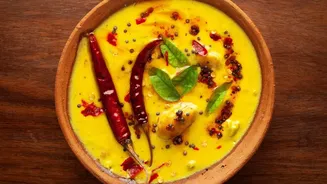
Travel down to India's western coast, particularly the Konkan, Goan, and Malvani regions, and you'll find Sol Kadhi. This beautiful, pale pink drink is as delicious as it is refreshing. It is made from kokum, a sour fruit from the mangosteen family, blended with creamy coconut milk. Often seasoned with a hint of garlic, ginger, and green chillies, Sol Kadhi offers a unique flavour profile that is simultaneously sour, slightly sweet, and savoury. Traditionally served as a digestive after a heavy meal, it is renowned for its cooling properties, making it a perfect antidote to the region's humidity. Ayurveda also values kokum for its ability to reduce acidity and soothe the digestive tract.
Why Fermented Is the New Fresh
The rising popularity of Kanji and Sol Kadhi is part of a larger global wellness trend. For years, drinks like kombucha and kefir have dominated the health scene for their probiotic benefits. Now, Indian consumers are realising they have their own ancient versions of these gut-friendly superdrinks. The science is compelling: fermented foods introduce live microorganisms into our digestive system, helping to balance our gut microbiome. A healthy gut is increasingly linked by science to improved immunity, better skin health, and even enhanced mental well-being. As awareness around gut health grows, these traditional Indian beverages are being recognised not just for their taste but for their powerful health-boosting properties.
From Home Kitchens to Cafe Menus
For years, these drinks were made almost exclusively at home, with recipes passed down through generations. Their appearance in commercial spaces like cafes and even fine-dining restaurants marks a significant cultural shift. Urban diners, especially millennials and Gen Z, are driving this change. They are actively seeking food and drink options that are authentic, natural, and free from artificial additives and sugars. Cafes are responding to this demand by offering beverages that tell a story—a story of heritage, health, and homegrown flavour. By putting Kanji and Sol Kadhi on the menu, they are not only catering to a health-conscious audience but also helping to preserve and celebrate India’s rich and diverse culinary traditions.