






A Kingdom Outgrows Its Castle
The story of the Barda lions begins in another forest: Gir. As the only wild habitat for Asiatic lions on Earth, Gir National Park has been an incredible conservation success. From a population teetering on the brink of extinction a century ago, the number
of lions in Gujarat has surged, reaching an estimated 891 by 2025. But this triumph created a new challenge. With the lion population growing, many now live outside the protected park, leading to increased human-wildlife conflict and making the entire population vulnerable. Conservation experts have long warned that keeping all the lions in one basket, so to speak, risks catastrophic loss from a single disease outbreak, like the Canine Distemper Virus that killed 28 lions in 2018.
The Search for a Second Home
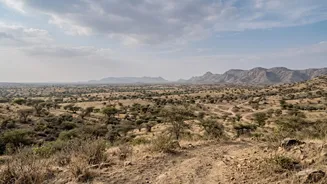
The idea of a second home for the lions isn't new. For decades, plans were debated to translocate lions outside Gujarat, with Kuno National Park in Madhya Pradesh being a primary candidate. However, these plans never materialized. Instead, under 'Project Lion', launched in 2020, the focus shifted to establishing a new, genetically distinct population within Gujarat itself. The Barda Wildlife Sanctuary, located about 100 kilometres from Gir, was identified as the ideal location. Its terrain is similar to Gir's, and historically, lions roamed there until they disappeared around 1879.
Where the Number 17 Came From
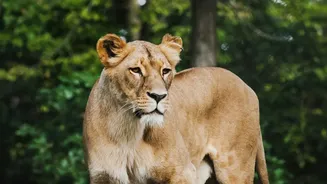
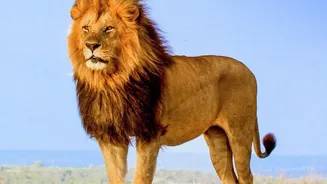
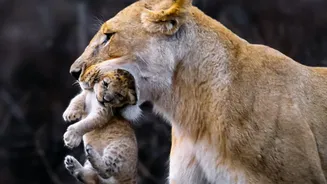
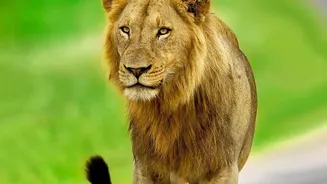
The figure of 17 lions became prominent around World Lion Day in August 2025. On that day, officials announced that Barda was officially home to 17 lions: six adults and eleven cubs. This wasn't the result of a single, mass translocation event planned for 2025. Rather, it was the culmination of a gradual process. The recolonisation began organically in January 2023 when a lone male lion naturally migrated from the Gir landscape to Barda. To build a viable breeding population, the Gujarat Forest Department then introduced five females. Their successful breeding resulted in the pride of 17, a number that confirmed Barda's status as a burgeoning second home.
Reality on the Ground in 2026
As of October 2026, reports confirm that the population in Barda remains at 17 lions. The headline's reference to a '2025 figure' is accurate in that the number was widely publicized then, but it represents the current population, not an outdated target. A scientific study published in September 2026 in the journal PLOS One confirmed Barda's suitability as a long-term habitat. Researchers radio-collared six of the lions and tracked their movements between January 2023 and July 2025, finding that the animals have established home ranges and are successfully hunting. To support them, the forest department has been actively improving the prey base, translocating hundreds of spotted deer (chital) and sambar into the sanctuary.
The Future of the Barda Lions
While the pride of 17 is a monumental first step, Barda's journey as a lion stronghold is just beginning. The sanctuary is officially designated as 'Satellite Population 8' under Project Lion, marking it as a critical part of India's national conservation strategy. The goal is to create a secure, self-sustaining population that can act as an 'ecological insurance policy' for the species. This involves carefully managing the habitat, ensuring a plentiful prey base to discourage lions from preying on livestock, and monitoring the pride's genetic health. The establishment of the Barda lions after a 144-year absence is more than just a number; it's a living, breathing testament to a new phase in wildlife conservation.