



Rethink Your Cooking Methods
The biggest culprit behind an unhealthy fast is often the cooking method. Deep-frying puris, vadas, and potato chips in oil adds a significant number of empty calories and unhealthy fats. Instead, embrace modern, healthier cooking techniques. Air-frying,
baking, or grilling can give you that satisfying crunch with a fraction of the oil. For instance, you can make baked sweet potato chips, air-fried sabudana vadas, or grilled paneer tikkis. Even shallow-frying on a non-stick pan is a better alternative to deep-frying. These methods not only reduce your fat intake but also help you avoid the post-meal lethargy that often comes with heavy, oily food.
Prioritise Hydration Wisely
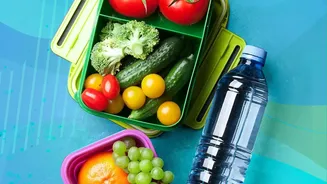
Thirst is often mistaken for hunger, especially during a fast. Staying well-hydrated is crucial for maintaining energy levels and flushing out toxins. However, it's important to choose your beverages carefully. Instead of reaching for sugary packaged juices or sweetened drinks, opt for plain water, coconut water, buttermilk (chaas), and herbal teas. You can also make fruit-infused water with lemon or cucumber for a refreshing twist. These drinks hydrate you effectively without adding the refined sugar that can lead to energy crashes.
Embrace Wholesome Carbohydrates
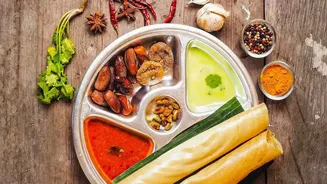
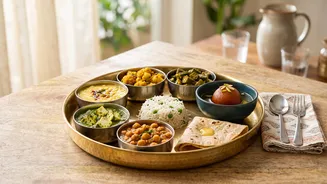
Fasting doesn't mean you have to rely solely on potatoes. While potatoes are permitted, overconsuming them, especially when fried, can lead to weight gain. Instead, focus on complex carbohydrates that provide sustained energy. Vrat-friendly grains like Samak rice (barnyard millet), Kuttu (buckwheat flour), and Rajgira (amaranth flour) are excellent choices. These flours can be used to make rotis, cheelas, or dosas. Sweet potatoes are another fantastic option; they are rich in fibre and can be prepared as a chaat, baked, or boiled.
Make Smart Snacking a Habit
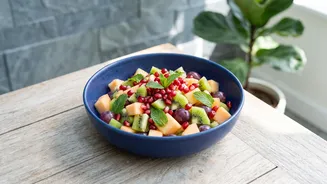
Mid-meal hunger pangs are often when we reach for the easiest, and usually unhealthiest, options. Planning your snacks can prevent you from grabbing fried pakoras or chips. Roasted makhana (fox nuts) is a fantastic low-calorie, nutrient-dense snack. A bowl of fresh fruit provides natural sugars and fibre to keep you full. A small handful of nuts like almonds, walnuts, and pistachios offers healthy fats and protein for sustained energy. You can also have a bowl of plain curd or a fruit raita.
Satisfy Your Sweet Tooth Naturally
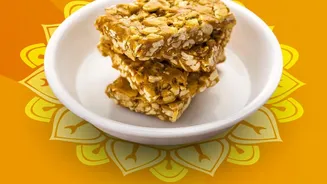
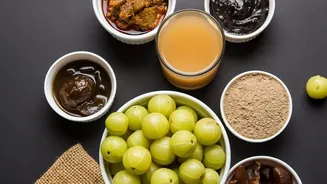
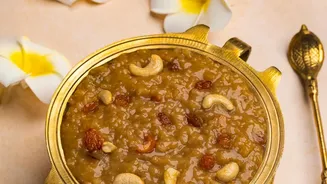
Fasting can trigger cravings for sweets, but traditional sugar-laden laddoos and halwas can derail your healthy eating goals. To satisfy your sweet tooth, turn to natural sources of sugar. Dates, figs, and raisins are excellent choices. You can make date and nut laddoos at home without any refined sugar. A bowl of fruit salad with a drizzle of honey is another refreshing option. If you are making kheer or halwa, consider using jaggery instead of white sugar and use low-fat milk.
Plan Your Meals in Advance
One of the easiest ways to stick to a healthy diet during Navratri is to plan your meals. When you are hungry and unprepared, you are more likely to make impulsive, unhealthy food choices. At the beginning of the week, decide what you will eat for your main meals and snacks. Prepare some items in advance, such as roasting a batch of makhana or nuts, chopping fruits for salads, or preparing batters for dosas. Having healthy, vrat-friendly options ready to go will make it much easier to avoid the temptation of convenient but unhealthy fried foods.