





Why Your Kitchen Bin Matters
Look inside the average urban Indian dustbin, and you'll find that a significant portion—often 50% or more—is made up of organic 'wet' waste. This includes everything from vegetable peels and fruit scraps to tea leaves and leftover food. When this organic matter
gets mixed with dry waste and sent to a landfill, it doesn't just sit there. Deprived of air, it decomposes anaerobically and releases methane, a greenhouse gas far more potent than carbon dioxide. By simply separating and composting this organic fraction, you can divert a massive amount of waste from overflowing dumpsites, effectively cutting your home's landfill contribution in half and tackling a major source of urban pollution.
Your First Composting Setup: Keep It Simple
You don't need a sprawling garden or expensive equipment to start composting. For apartment dwellers, a simple bucket system is a great starting point. Take two sturdy plastic buckets; drill several holes in the sides and bottom of one for aeration, and then place it inside the second, solid bucket. This allows any excess liquid to collect at the bottom, which can be drained and used as a potent plant tonic. Terracotta pots also work wonderfully. The key is ensuring air can circulate, as oxygen is crucial for the odour-free decomposition process. Many organizations now also offer ready-made, stackable composting bins designed for compact urban homes, making it easier than ever to get started.
The 'Greens' and 'Browns' Rule
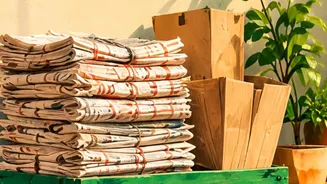
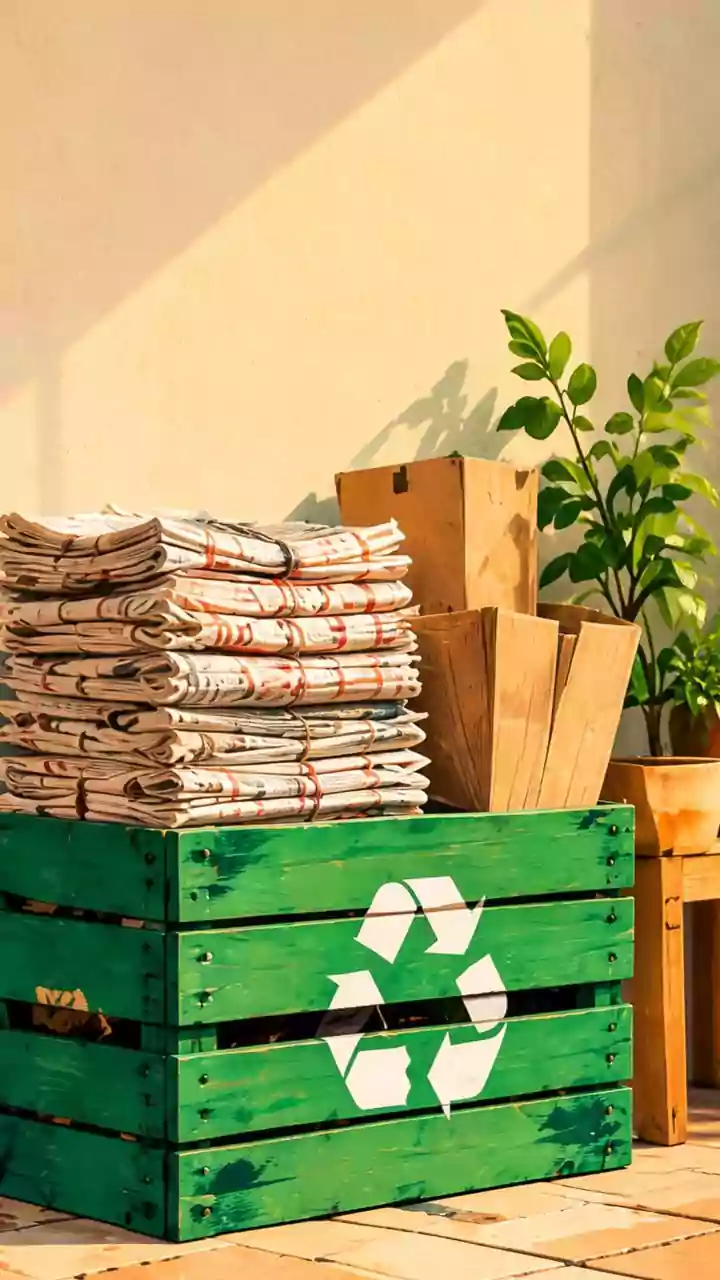
Successful composting is all about balance. Think of it as making a layered meal for microorganisms. You need two types of ingredients: 'Greens' and 'Browns'. 'Greens' are nitrogen-rich materials, which include all your wet kitchen waste like vegetable scraps, fruit peels, coffee grounds, and crushed eggshells. 'Browns' are carbon-rich dry materials, such as dried leaves, sawdust, shredded newspaper, cardboard, and cocopeat (dried coconut husk). A common mistake for beginners is adding too many greens without enough browns, which leads to a slimy, smelly pile. The general rule of thumb is to add a layer of browns every time you add a layer of greens. This balance ensures proper aeration, controls moisture, and prevents unpleasant odours.
What Goes In and What Stays Out
You can compost a surprising amount of your daily waste. All uncooked plant-based kitchen scraps are perfect: fruit and vegetable peels, cores, coffee grounds, tea bags (ensure they're not plastic), and eggshells are all excellent 'greens'. For 'browns', gather dry leaves from a local park, tear up old cardboard egg cartons, or use shredded newspaper. However, some items should be avoided in a simple home compost bin. Steer clear of meat, fish, dairy products, and oily or greasy foods. These can attract pests like rodents and flies, and they create strong, unpleasant odours as they decompose.
Troubleshooting: Smells and Slow Progress
If your compost starts to smell sour or ammonia-like, it’s a sign that it has too much nitrogen ('greens') and is too wet. The fix is simple: add more 'browns' like dry leaves or shredded cardboard and give the pile a good mix to introduce air. If your pile seems dry and isn't breaking down, it likely needs more moisture. Sprinkle some water on it—it should feel like a damp, wrung-out sponge. Patience is key. Depending on the conditions, it can take anywhere from 45 days to a few months for your waste to transform into dark, crumbly, earthy-smelling compost. Regularly turning the pile every few days will speed up the process significantly by distributing moisture and oxygen.