


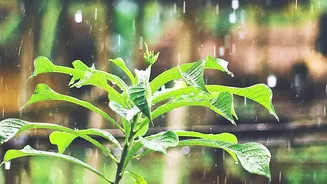
The Importance of Drainage
Before we dive into the plants, the single most important factor for a thriving monsoon balcony is drainage. Heavy, consistent rain is the biggest killer of potted plants, not because of the water itself, but because it leads to waterlogged soil where
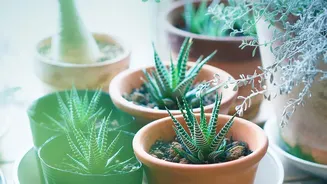
roots can't breathe. Ensure every pot has at least one working drainage hole at the bottom. Terracotta pots are a great choice as their porous nature helps wick away excess moisture. If you place pots on saucers, remember to empty the collected water daily to prevent root rot and to stop them from becoming breeding grounds for mosquitoes.
Hibiscus: The Tropical Star
Hibiscus plants are a classic choice for Indian gardens and they truly come alive during the monsoon. The humid, moist weather encourages them to produce an abundance of large, vibrant flowers in shades of red, pink, yellow, and white. These plants love moisture but still require good drainage to prevent their roots from sitting in water. They need about four to six hours of sunlight to bloom profusely, so a spot that gets decent morning or afternoon sun is ideal. Regular pruning after a flowering cycle will encourage even more blooms throughout the season.
Balsam: The Monsoon Annual
Often called 'Gul Mehendi', Balsam is a quintessential monsoon flower. It's an annual plant that adores moist conditions and will reward you with a continuous display of pink, purple, red, and white flowers all through the rainy season. Balsam is incredibly easy to grow from seed, often germinating within a week in the damp soil. It thrives even in partially shaded balconies that might not get direct sun all day, making it a versatile and low-fuss choice for adding a pop of colour.
Ferns: Lovers of Humidity
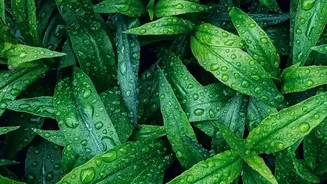
If your balcony plants struggled through the dry summer heat, the monsoon is when ferns make a spectacular comeback. Varieties like the Boston fern, which may look tired and brown by May, explode with new green growth in the high humidity of July and August. Ferns are tropical understory plants in their natural habitat, so they appreciate the filtered light and constant moisture that the rainy season provides. They are perfect for shadier corners of your balcony, bringing a touch of lush, forest greenery.
Spider Plant: The Prolific Grower
The humble spider plant is a resilient and rewarding addition to a monsoon balcony garden. It is known for its air-purifying qualities and its ability to adapt to various conditions. During the monsoon, the increased humidity sends its growth into overdrive, and it will begin to produce numerous 'babies' or plantlets at the end of its long, arching stems. These can be easily snipped off and potted to create new plants, giving you an endless supply for your railing planters and hanging baskets.
Rain Lily: The First Sign of Rain
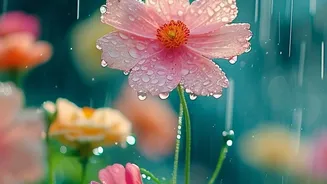
As its name suggests, the Rain Lily (Zephyranthes) has a magical connection with the monsoon. The bulbs often lie dormant throughout the hot, dry summer. Then, almost miraculously, the first proper showers of the season trigger them to send up delicate, star-shaped flowers within days. Available in white, pink, and yellow, they are a delightful and low-maintenance option. You can plant the bulbs just before the monsoon begins and then simply wait for the rain to work its magic. They require very little care and signal the true arrival of the season.
Jasmine: Fragrance in the Air
There are few things more evocative than the scent of Jasmine, or 'Mogra', on a damp monsoon evening. This beloved flowering vine thrives in the humid weather, producing an abundance of intensely fragrant white blossoms. The moisture in the air helps the plant's leaves and flowers stay hydrated, leading to more robust growth and flowering. A pot of jasmine near a window or door will fill your home with its beautiful, calming scent throughout the rainy months.